Publication Category: Pesticide Information
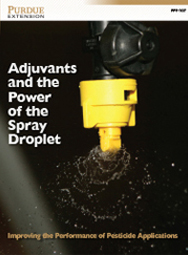
Adjuvants and the Power of the Spray Droplet: Improving the Performance of Pesticide Applications
This publication examines how the various components of a pesticide application work (water, pesticide molecules, application equipment). It then describes how adjuvants can enhance pesticide performance and protect against the unwanted consequences of spray drift. The goal is to define what adjuvants do and highlight their value in improving pesticide applications.
(PPP-107)
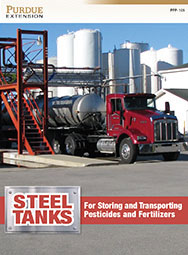
Steel Tanks for Storing and Transporting Pesticides and Fertilizers
This publication explores the aspects of purchasing and using mild steel and stainless steel tanks for farms, businesses, and public agencies. It provides important questions you should ask before you buy, offers tips to properly install tanks, and establishes guidelines for inspection and maintenance.
(PPP-105)
PDF
PDF version of Steel Tanks for Storing and Transporting Pesticides and Fertilizers
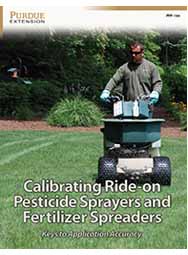
Calibrating Ride-on Pesticide Sprayers and Fertilizer Spreaders: Keys to Application Accuracy
This publication addresses specific procedures for separately calibrating the pesticide sprayer and the fertilizer spreader of ride-on equipment. The goal is to ensure proper application to optimize performance.
(PPP-104)
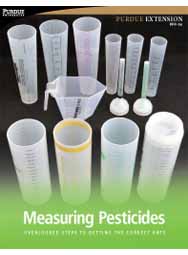
Measuring Pesticides: Overlooked Steps To Getting the Correct Rate.
This publication describes steps that pesticide applicators can take to correctly measure and mix products to improve results, save money, and enhance safety. Specifically, it will explain some common myths about measuring pesticides, distinguish the difference between liquid ounces and dry ounces, and offer solutions to common problems associated with measuring devices for liquid and dry pesticide formulations.
(PPP-96)
PDF
PDF version of Measuring Pesticides: Overlooked Steps To Getting the Correct Rate.
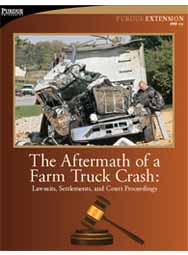
The Aftermath of a Farm Truck Crash: Lawsuits, Settlements, and Court Proceedings
This publication provides insights into what to do after one of your trucks, tractors, or agricultural implements is involved in a crash or collision. This guide will describe the legal process, settlements, and court proceedings.
(PPP-95)
PDF
PDF version of The Aftermath of a Farm Truck Crash: Lawsuits, Settlements, and Court Proceedings
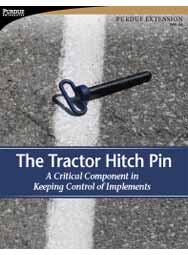
The Tractor Hitch Pin: A Critical Component in Keeping Control of Implements
This publication examines the factors that play critical roles in keeping implements or wagons connected to farm tractors and allow operators to maintain control of their implements and loads. Understanding how these factors work together will reduce the likelihood that a trailer could become detached during transport on busy roads or highways.
(PPP-94)
PDF
PDF version of The Tractor Hitch Pin: A Critical Component in Keeping Control of Implements
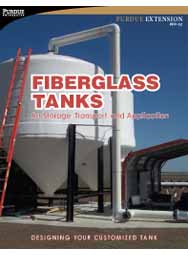
Fiberglass Tanks for Storage, Transport, and Application: Designing Your Customized Tank
This publication examines fiberglass storage tanks; their benefits; what to consider before buying them; and how to properly use, install, and maintain them. This publication also is a companion to Poly Tanks for Farms and Businesses (Purdue Extension publication PPP-77).
(PPP-93)
Pesticides and Formulation Technology
This publication explains the benefits and problems associated with the various pesticide formulations. It also can be used to construct a planning or decision-making model for the proper selection of a formulation in a pest control process involving pesticides.
(PPP-31)

Calibrating the Hose Reel Lawn Care Sprayer
Applying the right amount of product means fewer callbacks, more satisfied customers, and greater profits. Properly calibrating and using the hose reel lawn care sprayer means achieving a lawn that meets your customer’s expectations.
(PPP-85)
PDF
PDF version of Calibrating the Hose Reel Lawn Care Sprayer
Impact of Water Quality on Pesticide Performance
The quality of the water used to spray the product is one factor that doesn’t get much attention for effective pesticide applications . Research clearly shows that the quality of water used for spraying can affect how pesticides perform. This publication describes how to test your water quality for better performance of your pesticides.
(PPP-86)
PDF
PDF version of Impact of Water Quality on Pesticide Performance
Poly Tanks for Farm Businesses Preventing Catastrophic Failures
High-density polyethylene tanks have been used successfully by growers and commercial pesticide application businesses for years. While the benefits of poly tank ownership are well established, the risk of tank failure is real. Like any piece of equipment, poly tanks need to be inspected and maintained to ensure that the benefits of use outweigh the risk of tank failure and product release.
(PPP-77)
PDF
PDF version of Poly Tanks for Farm Businesses Preventing Catastrophic Failures
Pesticides and Personal Protective Equipment
Decisions about personal protective equipment (PPE) are challenging for pesticide users on farms and in gardens, pest control businesses, and greenhouses. This publication discusses the links between safety, attitude, and organizational philosophy; explains why PPE is necessary; offers general guidance on selecting PPE; and provides suggestions for care of PPE.
(PPP-38)
PDF
PDF version of Pesticides and Personal Protective Equipment
The Role of Pesticides in Urban Integrated Pest Management
This publication describes the role pesticides play in Integrated Pest Management (IPM) programs and introduces pesticide use strategies that reduce exposure to people, nontarget animals, and the environment.
(PPP-74)
PDF
PDF version of The Role of Pesticides in Urban Integrated Pest Management

The Benefits of Pesticides, A Story Worth Telling
For decades, discussions among scientists and the public have focused on the real, predicted, and perceived risks that pesticides pose to people and the environment. Each use of a pesticide poses some level of risk, so it is not surprising that scientists, the regulated community, government officials, and the public need a realistic understanding of the risks associated with pesticide use. We must analyze how risk is assessed, identify the risks, and determine an appropriate level of concern.
(PPP-70)
PDF
PDF version of The Benefits of Pesticides, A Story Worth Telling
Offering Sound Pest Management Advice to the Public
This publication emphasizes the importance of providing sound pesticide advice to customers. Good diagnostic skills are essential. You personally must know and understand the behavior of various pests and have a working knowledge of various control options available; and must ensure that your customers understand your recommendations.
(PPP-62)
PDF
PDF version of Offering Sound Pest Management Advice to the Public
Pesticides and Container Management
Proper management of pesticide containers generally is a straightforward procedure, but it requires careful thought and a proper attitude. Appropriate transportation and storage of pesticides help protect the environment, assure worker safety, save money, and avoid legal problems.
(PPP-21)
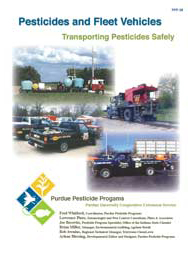
Pesticides and Fleet Vehicles Transporting Pesticides Safely
The care that you devote to maintaining your fleet goes a long way in conveying your commitment to quality service. This publication discusses the importance of vehicle maintenance, safe driving practices and how to respond to pesticide spills.
(PPP-58)
PDF
PDF version of Pesticides and Fleet Vehicles Transporting Pesticides Safely
Landscape Pesticide Application Equipment: A Guide to Selection and Calibration of Liquid Sprayers
Homeowners strive for beautiful and productive lawns, and sometimes, despite using good cultural practices, pests get the upper hand. When using pesticides to control pests it’s important to follow procedures and know how to use spraying equipment effectively.
(PPP-47)
Lawncare Pesticide Application Equipment: A Guide to Selection and Calibration of Granular Spreaders
Not calibrating lawn application equipment is like placing a meal in an oven and setting the temperature randomly. If the over is too high, the food is overcooked; too low, and it undercooked. This publication describes the basics of calibrating lawn care pesticide application equipment.
(PPP-46)