Japanese Beetle Emergence and Management
Below is an e-mail conversation that may be of benefit to other turfgrass managers asking similar questions.
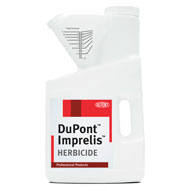
2012 Imprelis UPDATE
- Did trees recover from Imprelis® injury?
- Are new symptoms being discovered?
- What Should I Do if I Suspect Imprelis® Injured Trees BUT I Didn’t Notice the Damage in 2011?
- What Is OISC’s 2012 Response on this Issue?
- Can I Do Anything to Help Trees Recover?
- What Do We Know Now that We Didn’t Then?
- What Is Taking DuPont So Long?
- Where Can I Get More Information?
Imprelis Update: 2012 Field Notes on Injury and Recovery (PDF) (6/12)
http://www.agry.purdue.edu/turf/ImprelisUpdateLinks.html
It’s getting toasty out there! Update on drought and management adjustments

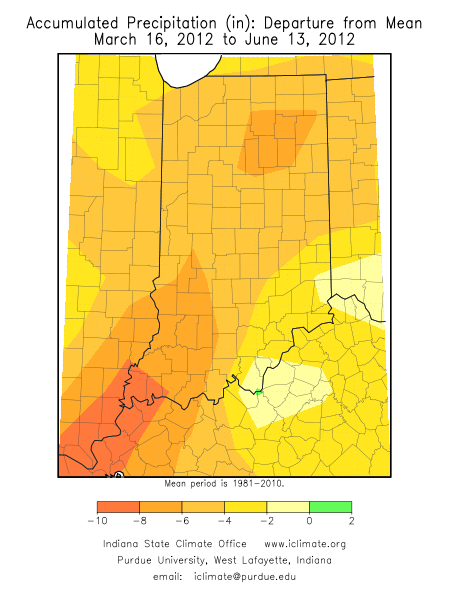
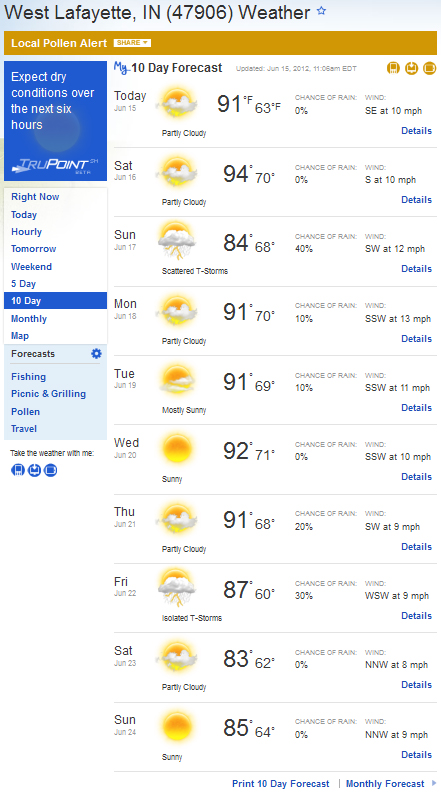
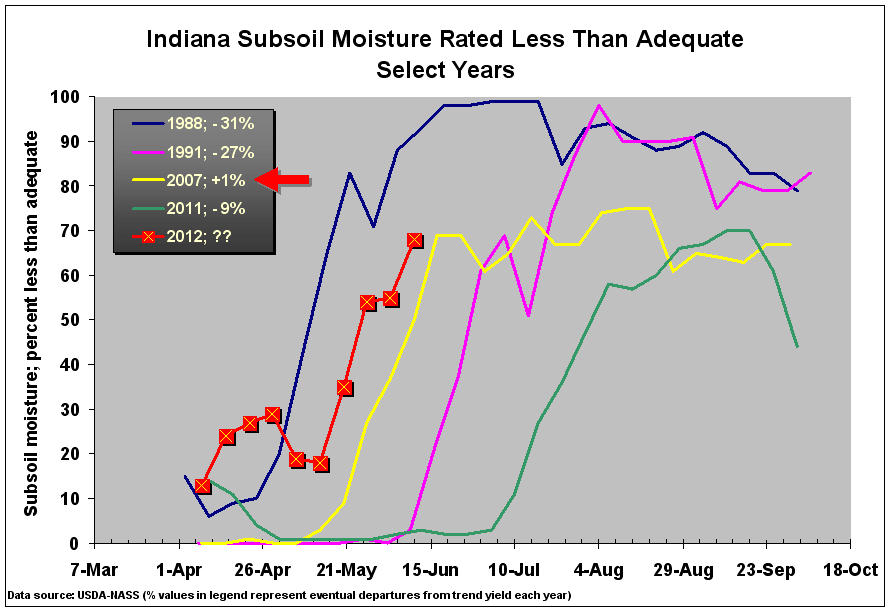
- Irrigation: See our recent update on this issue by clicking here.
- Water availability: Many irrigation ponds at golf course are much lower than normal due to insufficient precipitation in winter and spring and golf course superintendents are beginning to conserve water and prioritize which areas that need water most either due to the their soil type, management, or their economic importance (i.e. golf course putting greens). I have heard of no water restrictions, but they might come at some point. Click here to read a previous post on this topic.
- Fertilization: Fertilization in June is not typical except for irrigated turf. If irrigation is available, then fertilization can proceed as normal based on your typical program. However, if you are managing un-irrigated areas then it would be best not to fertilize during this dry period since drought stressed plants will not take up nitrogen. Additionally, some injury could occur to drought stressed areas from trafficking equipment across the site while fertilizing. We recommend waiting to fertilize unirrigated areas until after the turf greens-up after the next rainfall or in September at the start of our fall fertilization season.
- Weed Control: See our recent update on this issue by clicking here.
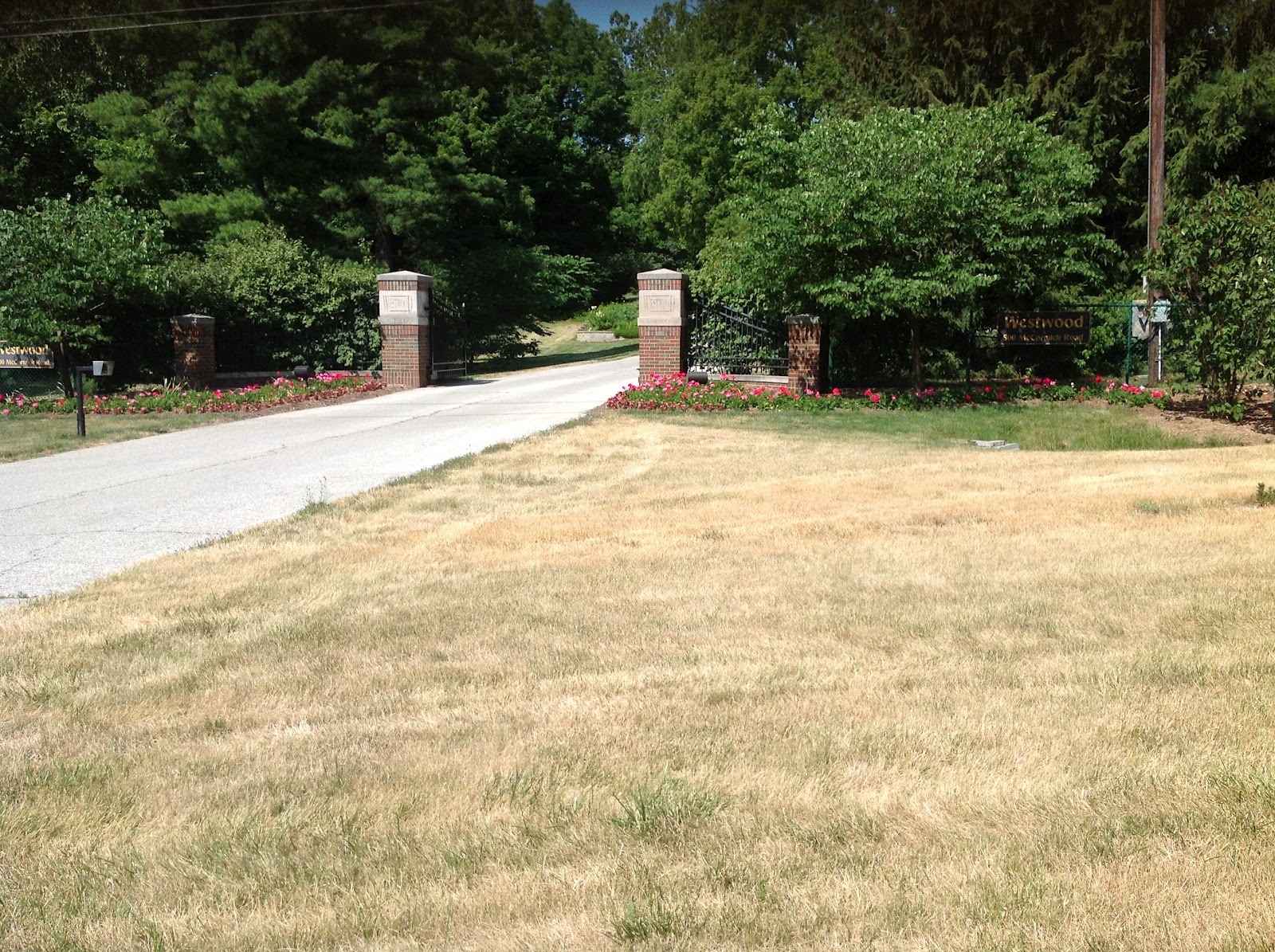 |
| Even the turf at Purdue’s president’s house is stressed. |
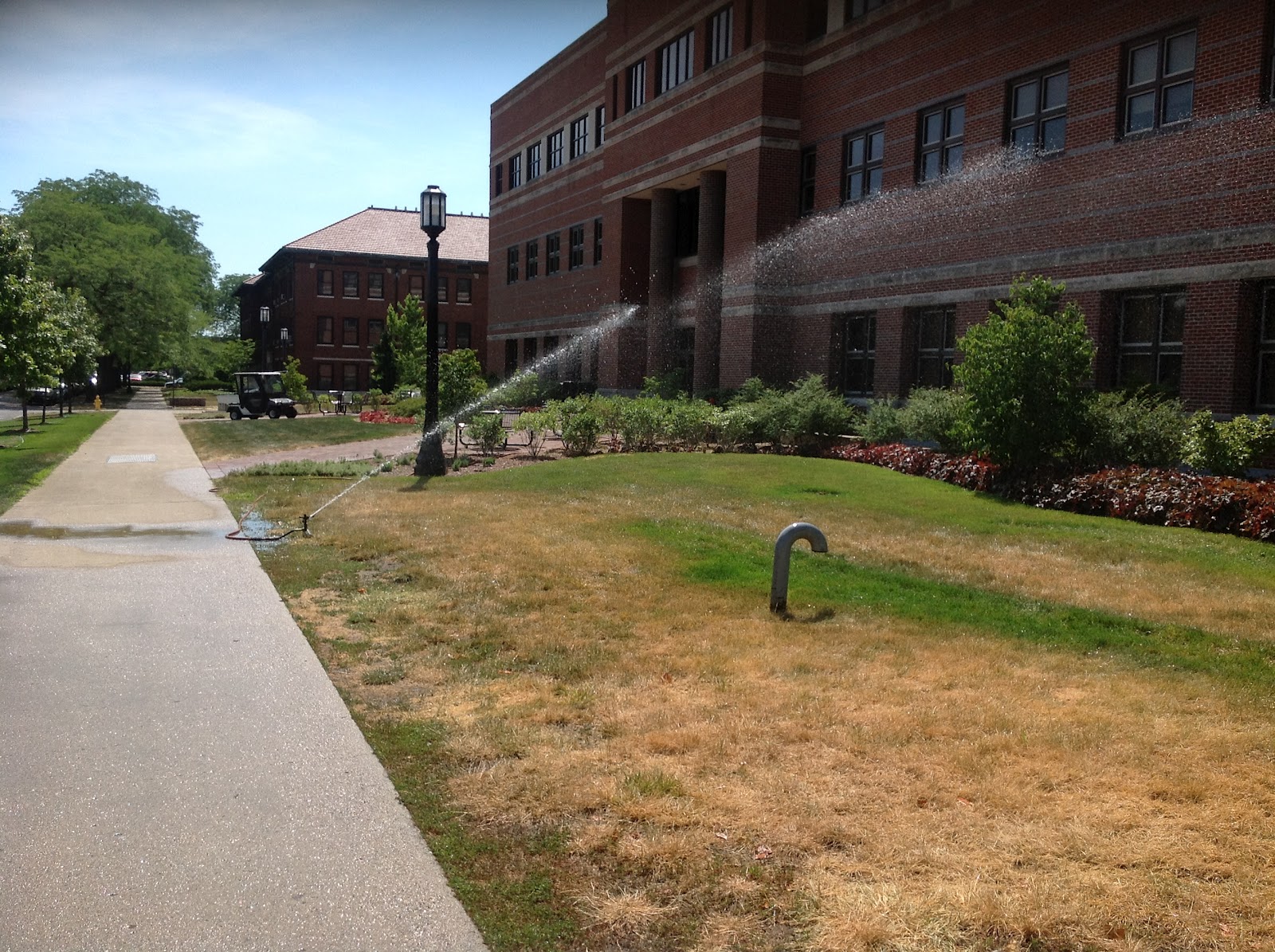 |
| Many are irrigating to try and keep turf green and growing; however, just because the turf turns brown doesn’t mean its dead. Usually when turf turns brown during drought, it is just entering a drought induced summer dormancy and will green-up when sufficient rain returns.
Aaron Patton, Turfgrass Extension Specialist
|
Purdue Annual Turfgrass Research Report
Controlling Poa annua on putting green height turf in Indiana, Michigan, and Nebraska: 2011 Research Update PDF
Controlling Yellow Nutsedge With Sedgehammer+ PDF
Do Granular Herbicide Applications Effectively Control Broadleaf Weeds in Turf? PDF
Efficacy of Current Organic Postemergent Weed Control Options in Turfgrass Systems PDF Evaluation of Crabgrass Control with Various Dimension Formulations and Corn Gluten Meal PDF
Herbicide Safety and Weed Control Comparison in Spring Seeded Kentucky Bluegrass PDF
Herbicide Safety and Weed Control Comparison in Spring Seeded Tall Fescue PDF
Herbicide Selection and Timing Influences Ground Ivy Control PDF
Mowing and Herbicide Effects on Ground Ivy Control in Turf PDF
Preemergence Crabgrass Control with Various Herbicides PDF
Postemergence Broadleaf Herbicide Safety on Putting Greens PDF
Postemergence Ground Ivy Control with Herbicide Combinations PDF
Sequential Applications of Preemergence Crabgrass Herbicides for Enhanced Control – Three Year Summary PDF
Evaluating Acelepryn for adult preventive control of billbugs in Kentucky bluegrass turf PDF
Evaluating combinations of Pyriproxyfen and imidacloprid for control of Japanese beetle larvae in Kentucky Bluegrass turf PDF
Influence of application timing on efficacy of granular formulations of grubicides against Japanese beetle larvae in Kentucky bluegrass turf PDF
Effects of early season fungicide application on dollar spot outbreaks, 2011 PDF
Integrating fungicide and genetic host resistance for control of dollar spot on creeping bentgrass PDF
Residual efficacy of fungicides for brown patch management on creeping bentgrass, 2011 PDF

Should I apply an herbicide right now?
- Herbicides are ineffective on drought-stressed weeds and can be damaging to drought-stressed turf, especially when temperatures are warm. My rule-of-thumb is that if the lawn is >50% green, then herbicides can be applied.
- Avoid the temptation to apply herbicides in a dormant (brown) lawn even though weedy species may be obvious as many are drought tolerant perennials, summer annuals, or sedges that grow well even in times of drought.
- For yellow nutsedge and summer annual weeds (crabgrass, purslane, spurge, etc.), it is better to hold off on applying herbicides until rain returns and the turf begins growing again.
- For perennial broadleaves, it might be best to wait until fall as these applications are better than spring applications for broadleaf control.
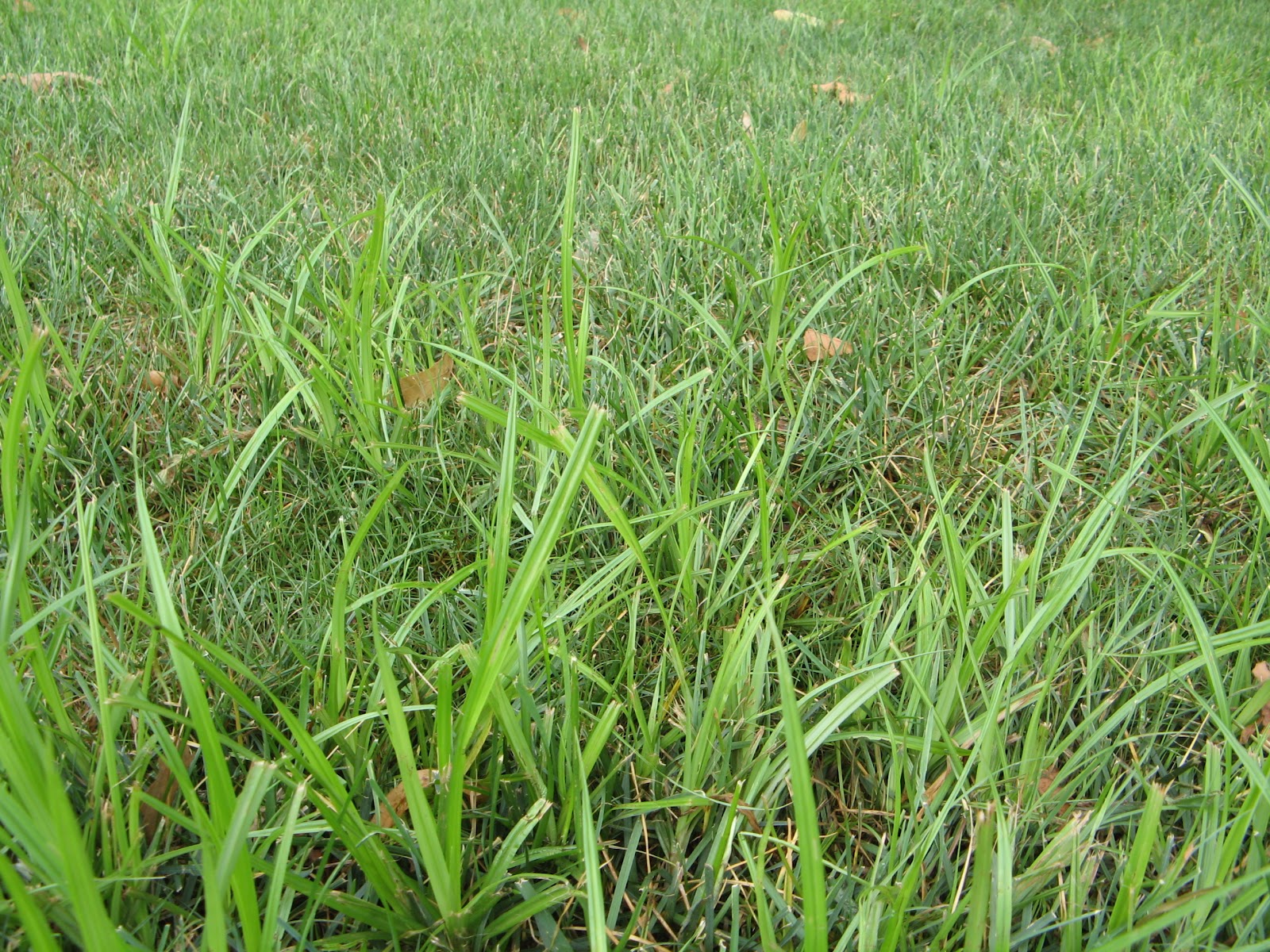 |
| Yellow nutsedge |
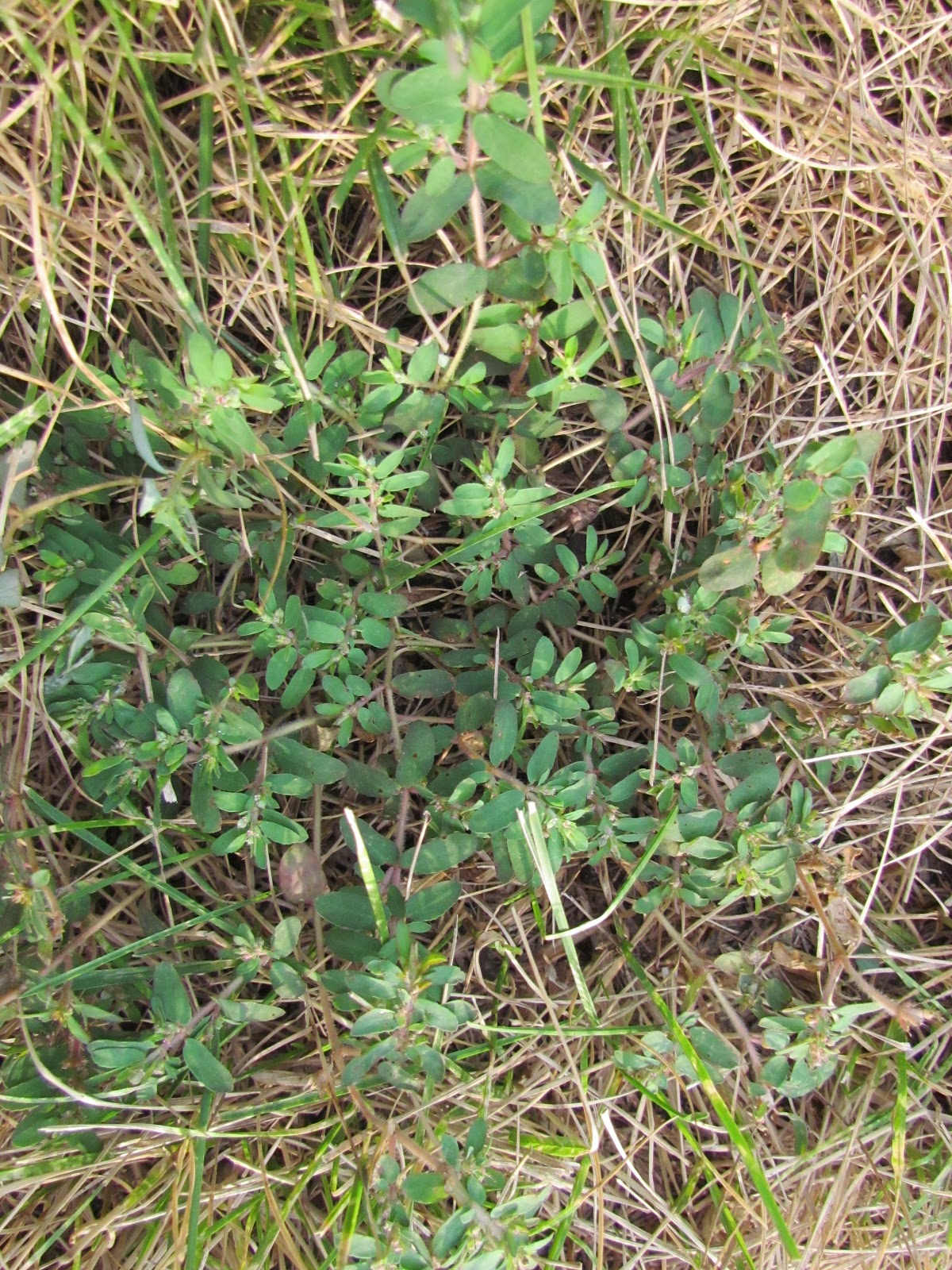 |
| Prostrate spurge |
Here are some thoughts on summer weed control in irrigated areas during summer:
- The question I most typically get in this irrigated scenario or during a summer when turf is not drought stressed is, Can I apply an herbicide when temperatures are 85°F or above?
- First, you will need to follow the herbicide label as each herbicide acts differently.
- Herbicide applications when daily high temperatures are above 85°F generally increase the risk of turf injury. Most herbicide labels do not prohibit applications at temperatures greater than 85°F or 90°F (each herbicide has a different maximum temperature), but they do caution against their use at these temperatures due to the increased risk for turf injury.
- A general recommendation is to make the application if the site is more weeds than turf and you are willing to assume the risk of injuring the turf. In most cases, if there are fewer weeds than turf, then it is best to delay making the application until better conditions exist.
Early Billbug Damage Reported Across the Midwest
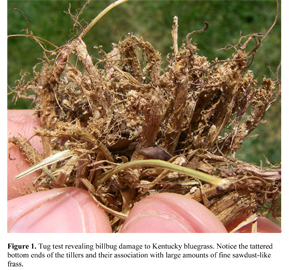
This season continues to challenge our traditional thinking about insect seasonal ecology and management. Indiana and neighboring states are currently witnessing serious billbug infestations with late instar billbug larvae already present in the soil. This activity is easily 2-3 weeks ahead of normal. We advise all turf managers to take a close look at areas they suspect are displaying symptoms related to drought dormancy. Billbugs cause similar symptoms, but under these conditions they are capable of causing significant damage and loss of turf. Use the tug test to differentiate billbug damage from drought dormancy. Simply grasp a small group of suspect tillers (brown and dead looking) and pull straight up. If billbug damage is present, the tillers will break-off easily at or just below the soil surface and the bottom ends of some tillers may be packed with very fine sawdust like material (see Figure 1). This is diagnostic for billbug damage. Repeat this process at several locations across the damaged area.
 At this time, management options for billbugs are limited to trichlorfon (Dylox), carbaryl (Sevin), or one of the faster-acting neonicotinyls; chlothianidin (Arena) or thiamethoxam (Meridian). Application of these materials should be followed by irrigation (1/4”) or rainfall to wash the applied material into the activity zone of billbug larvae. Over the long term, it may be advisable to renovate susceptible areas to endophyte-enhanced turfgrasses such as perennial ryegrass or tall fescue where agronomically feasible.
Doug Richmond and Tim Gibb
Turfgrass Research and Extension Entomologists
Japanese beetle monitoring traps confirm early season in 2012
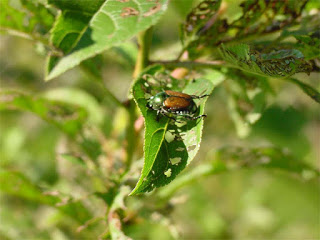 Because we have never experienced such an early spring, it is difficult to predict just how the beetle populations will respond. We know that the beetles are active early but we do not know if this means that they will be with us longer into the summer or not. Also, keep in mind that dry conditions do not favor beetle emergence but a significant rainfall event could potentially shift emergence into overdrive.
Time to Water?
 |
|
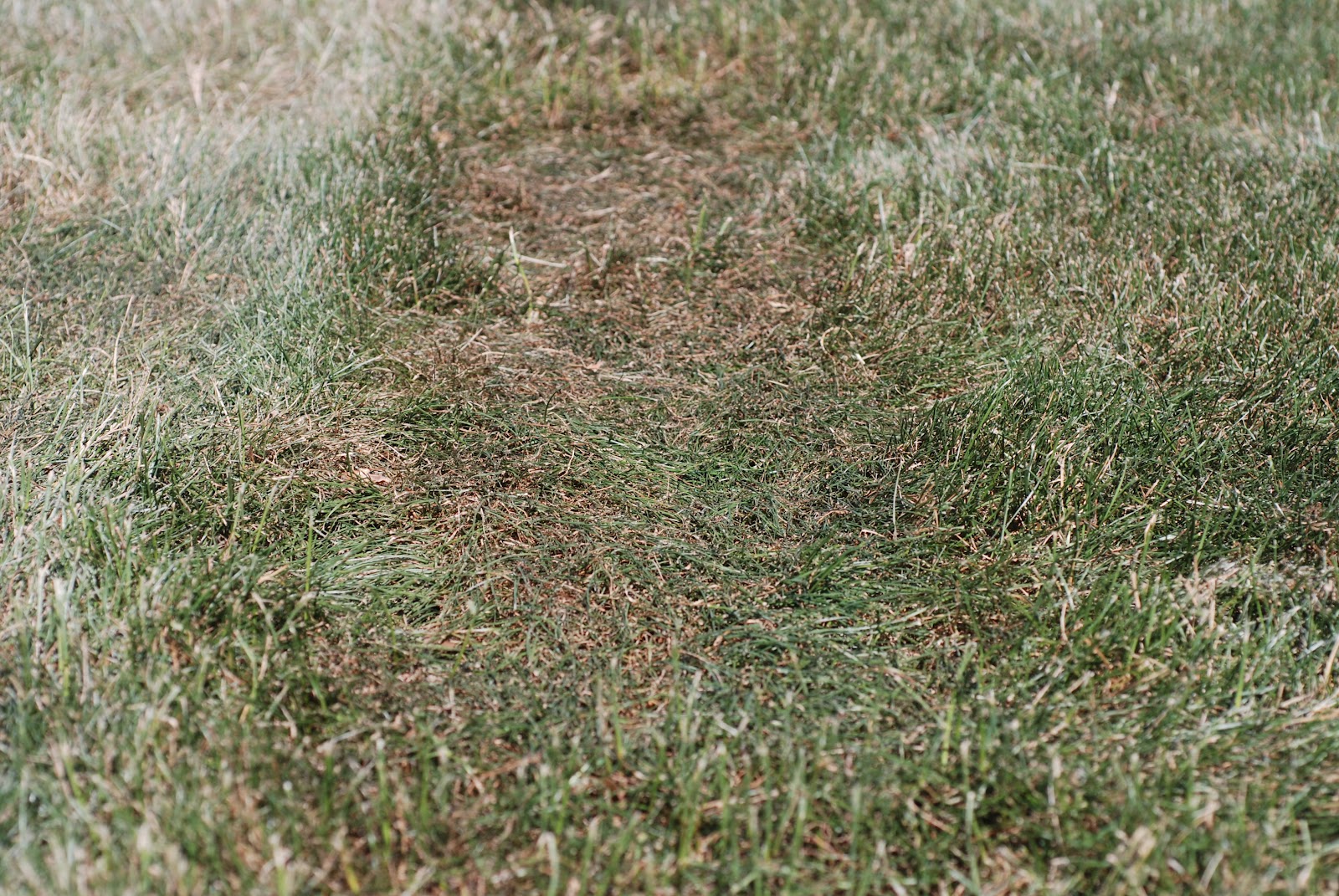
Foot-printing is the first sign of moisture stress and can be spotted when the turf does not “bounce-back” after walking across it due to moisture stress and a lack of water.
|
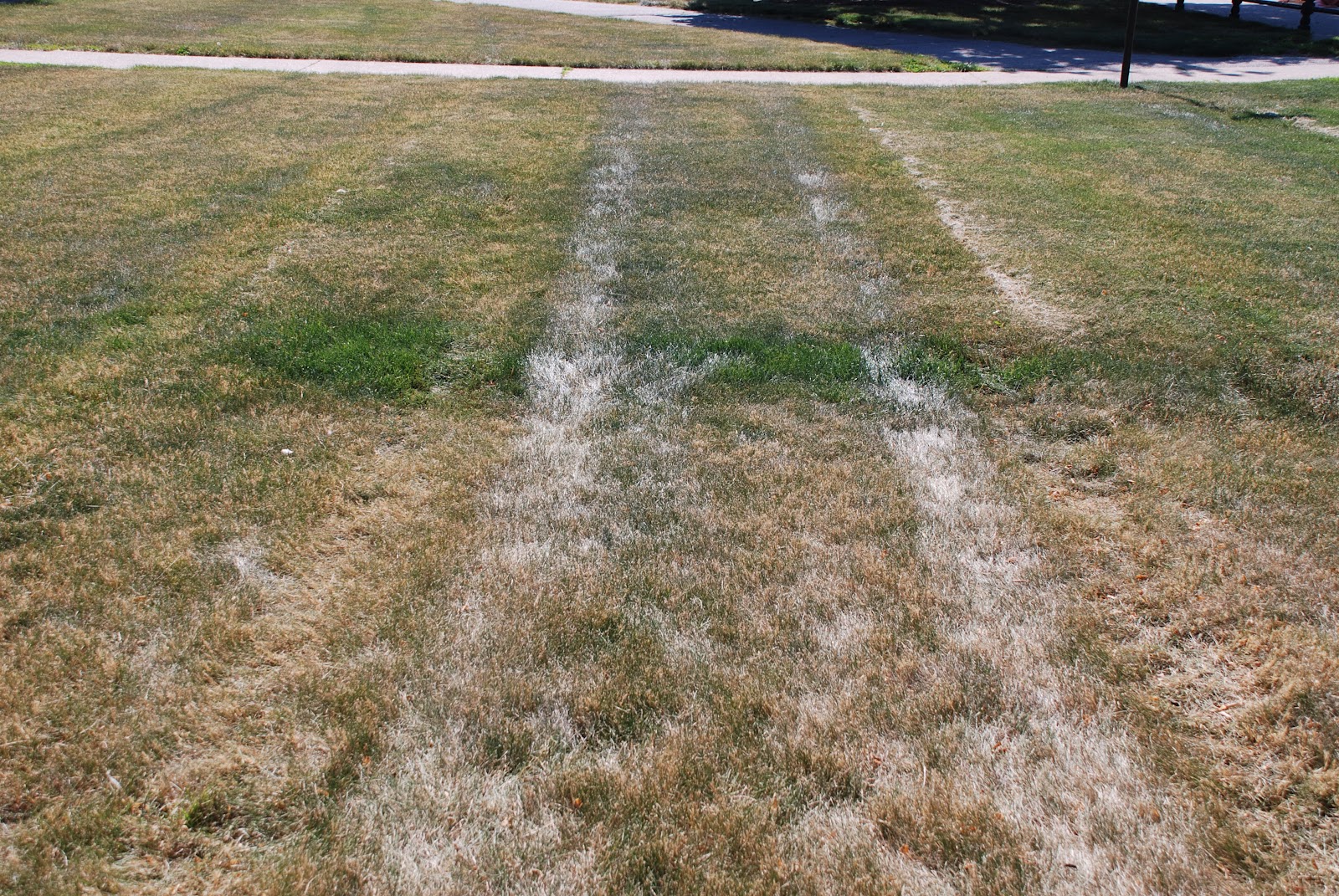 |
| Damage from mower traffic on drought stressed turf. |
 |
|
Notice how the turf is laid down here after the tires from the mower ran across it and the turf has not “bounced-back” due to moisture stress and a lack of water.
|
Grassy Weeds in Turf Planted Last Fall
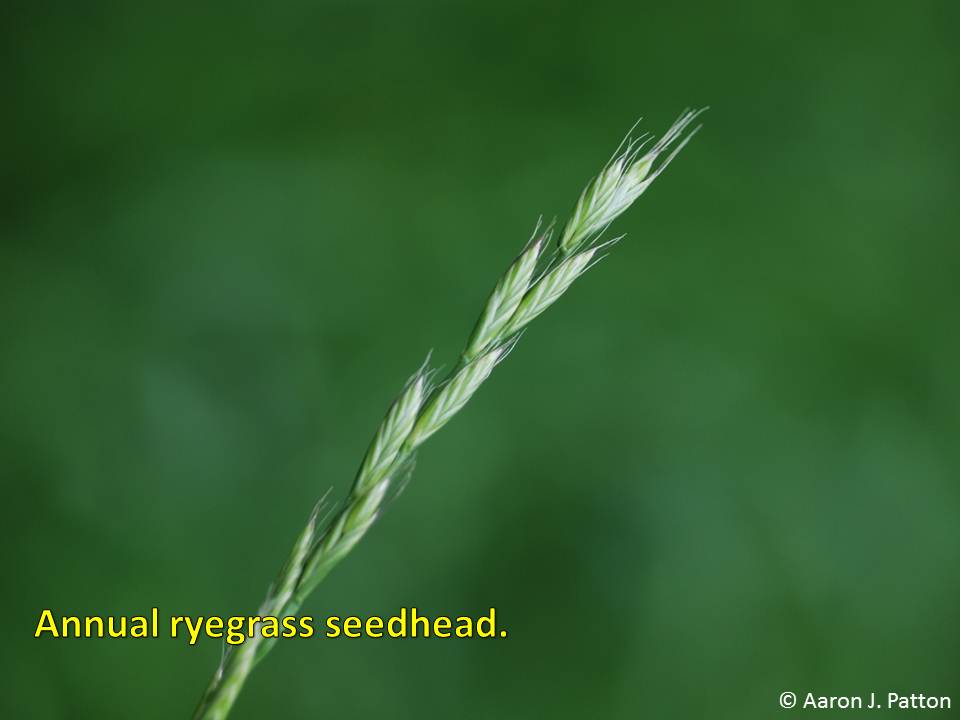
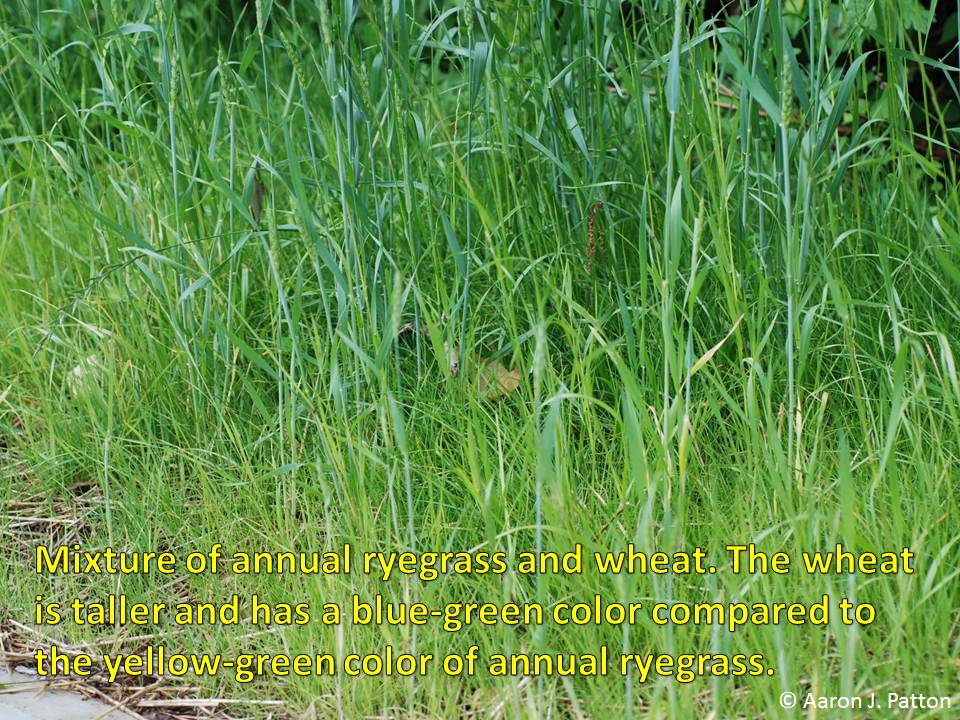
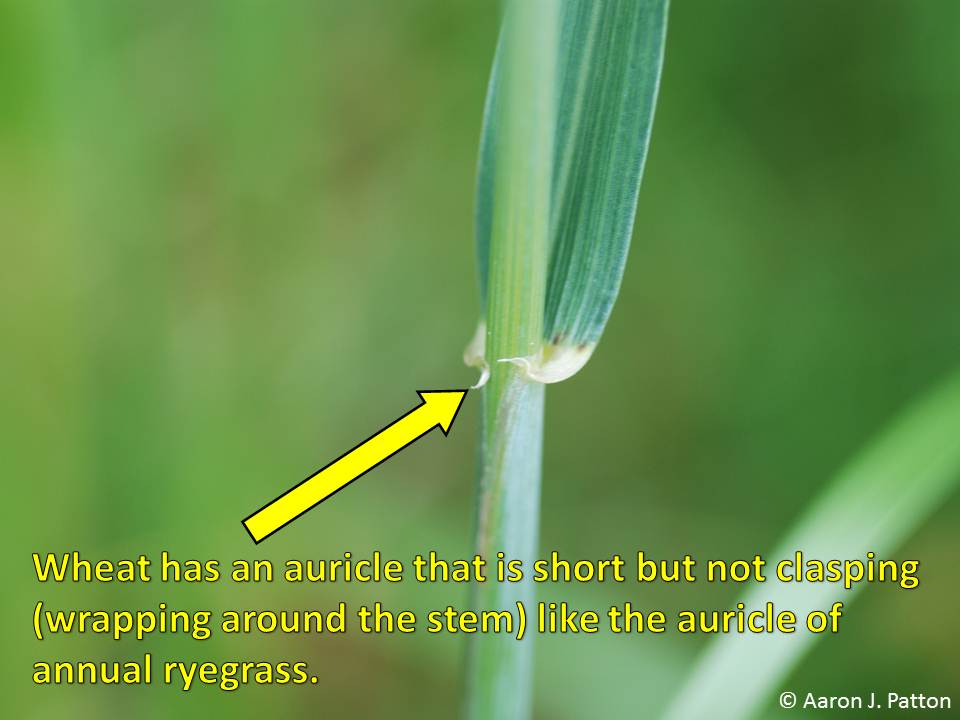
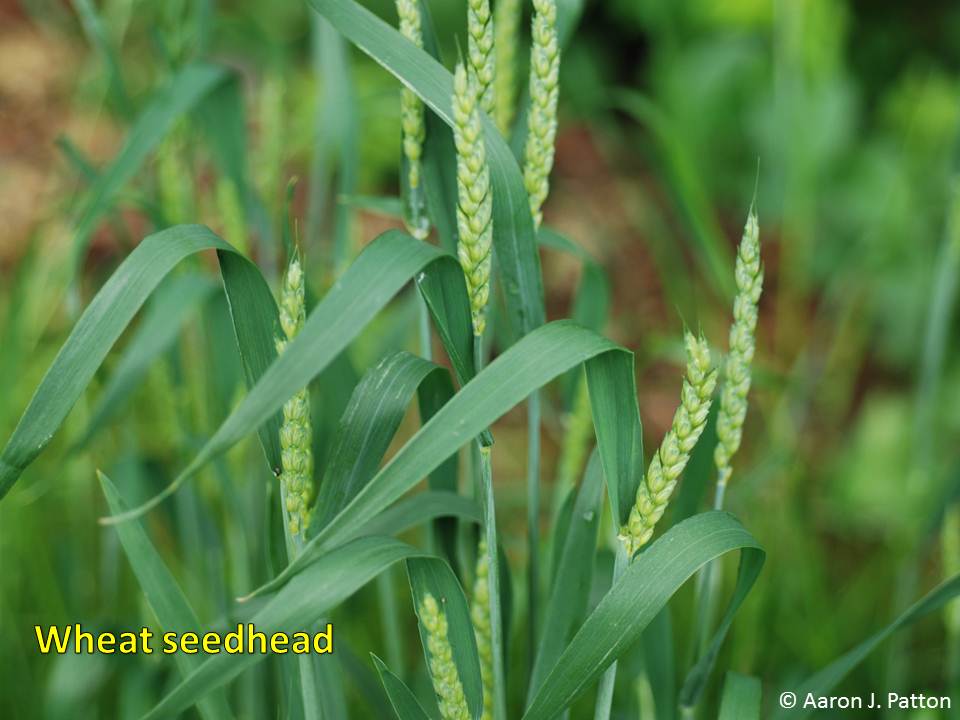
Many samples have arrived in the Plant and Pest Diagnostic Lab the past few weeks with the common question of “What’s this grass in the turf I seeded last fall?”. Although there could be a host of answer to this question with annual bluegrass likely on the top of the list, most of what I have identified is either annual ryegrass or winter wheat. Annual ryegrass is a common ingredient in poor quality seed mixtures and winter wheat is commonly found in areas planted with wheat straw as a mulch. Both species should die during the warmer summer months without the need to apply a herbicide. Below are some pictures and helpful clues for identifying these grasses in turf that you plant.
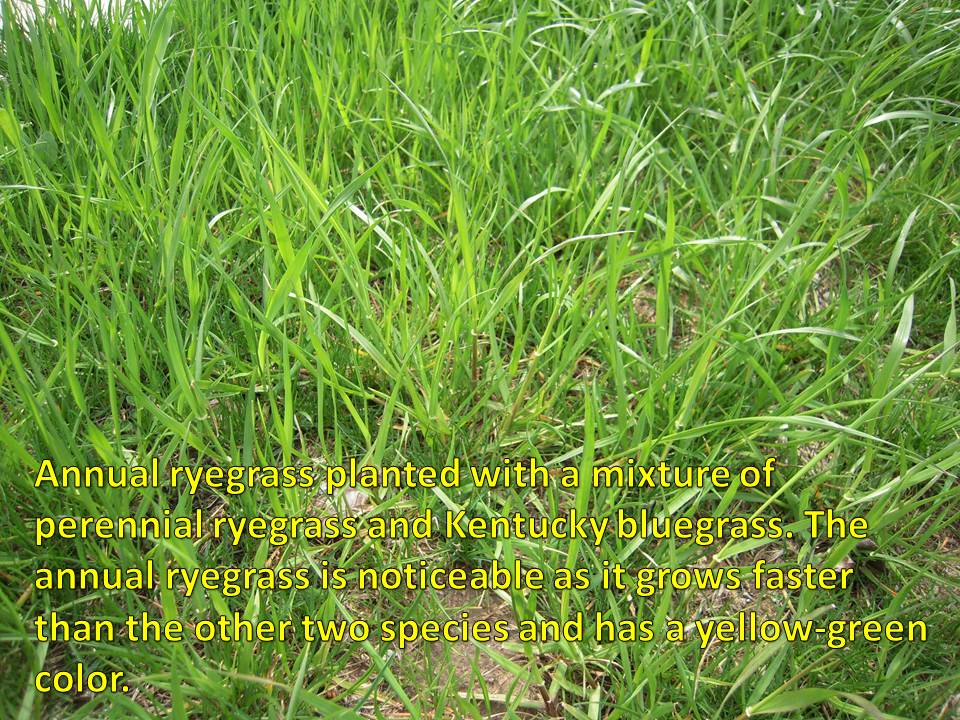
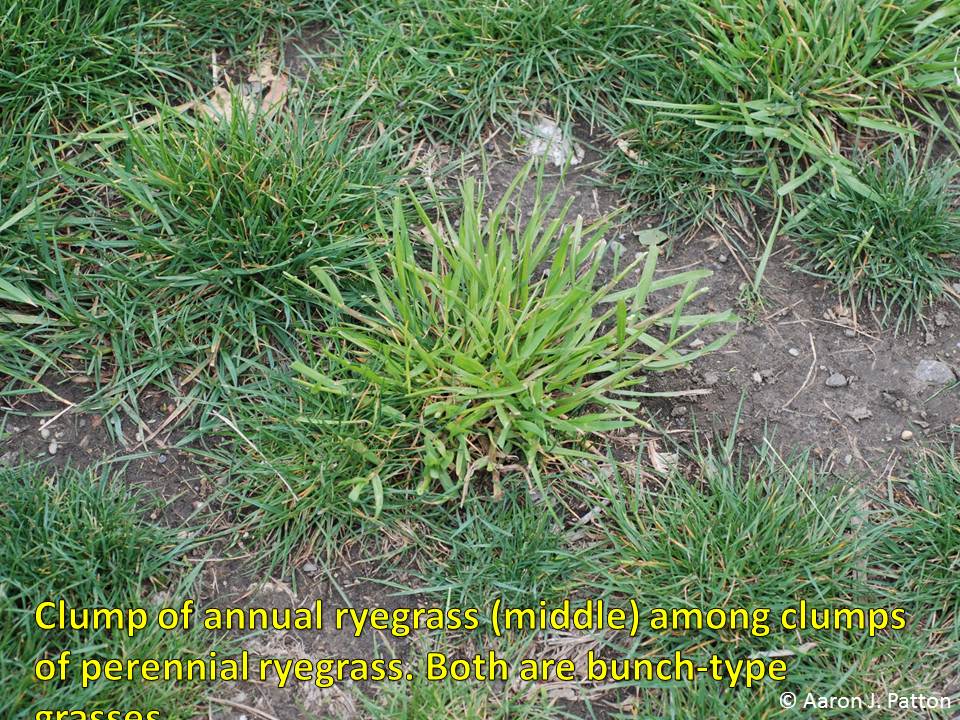
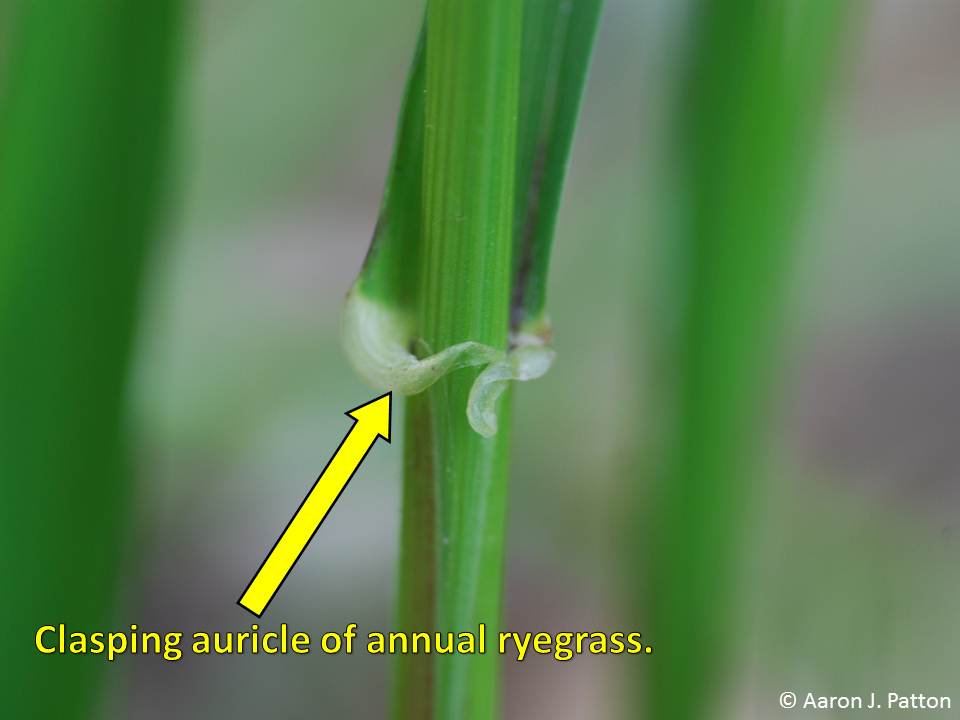

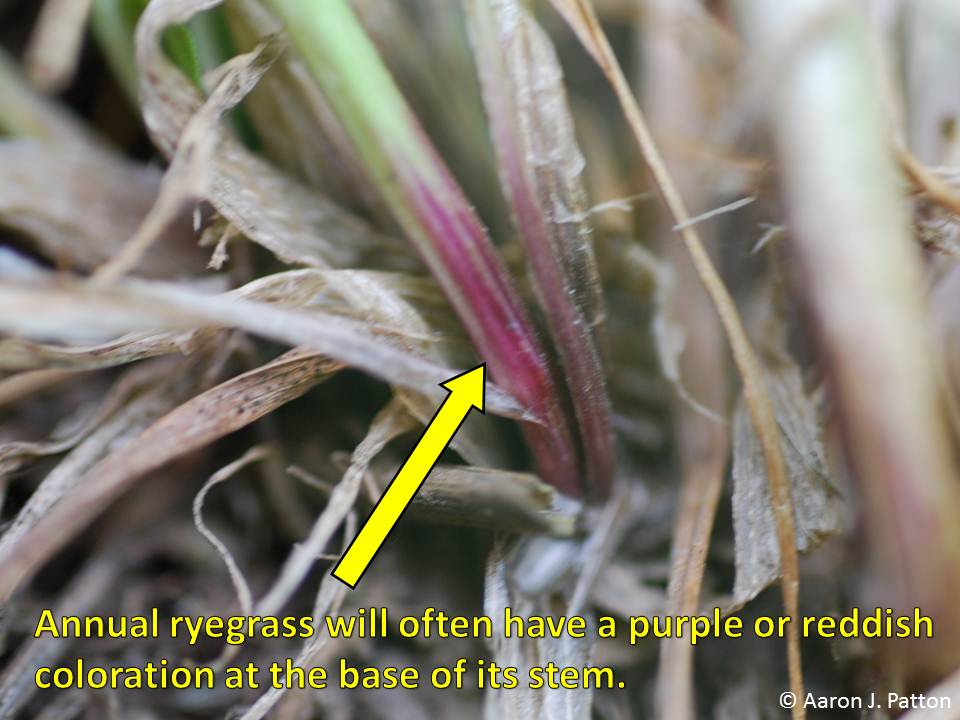

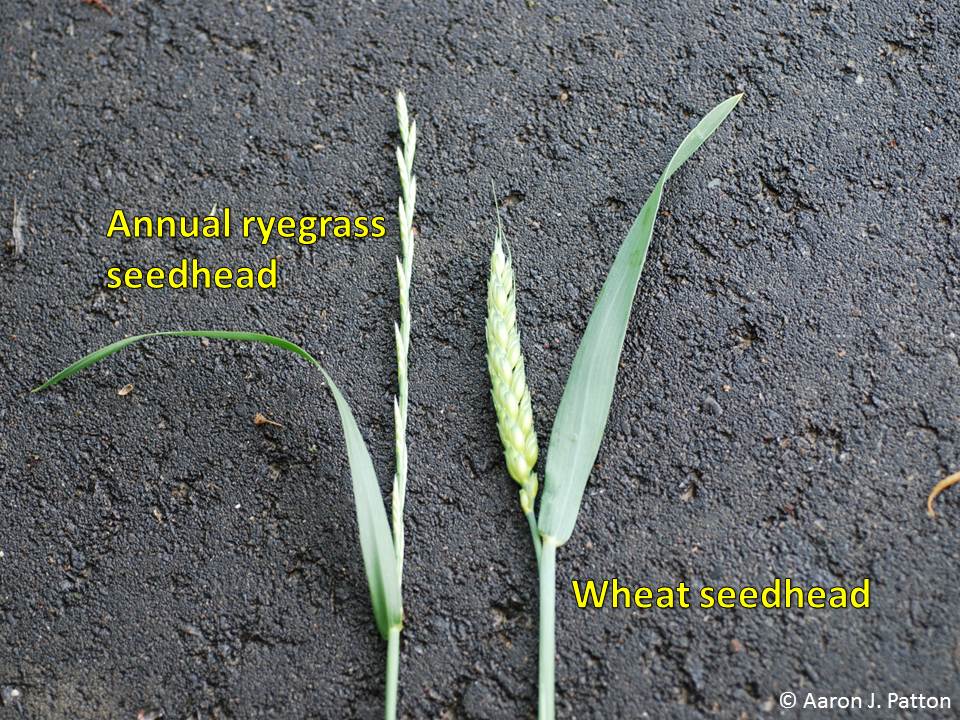
Aaron Patton, Turfgrass Extension Specialist
Don’t Forget to Sharpen Those Mower Blades
Sharply cut leaf blades increase turf health by improving recovery, decreasing water loss, and increasing photosynthesis. Lawns mown with a dull mower blade have poor aesthetics, heal more slowly and have greater water loss. Seedheads are present in many lawns right now and they are typically tougher to cut than the grass blades themselves. As such, it might help to switch to a sharp set of mower blades to help slice through these seedheads.

Homeowners should sharpen mower blades at least twice a year. To make this easy, buy two sets of mower blades and sharpen both sets each winter. Put a sharpened blade on before the first mowing and then switch when you notice that the leaf blades are becoming ragged in appearance as this is an indicator of a dull mower blade.
For professionals, consider sharpening mower blades weekly, bimonthly, or monthly depending on the amount of turf you are cutting. Again, inspecting the turf leaf blade is the best way to determine when your mower becomes dull.
Aaron Patton, Turfgrass Extension Specialist
Assessing Spring Freeze Injury in the Landscape
As most gardeners have marveled, we’re having one of the earliest “spring” seasons this year, with woody plants and herbaceous perennials three to six weeks ahead of “normal.”
And then, perhaps inevitably, “normal” spring frost and freeze visited. Being so much further along in their development, plants are quite vulnerable to damage.
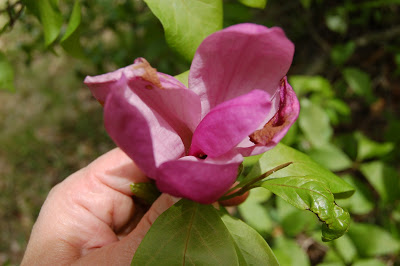
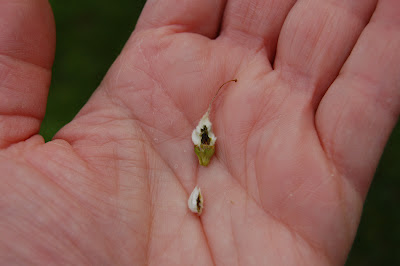
Home fruit-growers have reason to be concerned: At 28 F, you can expect a 10-percent loss of flowers/young developing fruit. However, at 25 F that loss increases to 90 percent! Here, in the Lafayette area, we hit 27-28 F last Thursday (April 12) morning, followed by 24-25 F Friday (April 13) morning – a double whammy.
Bud counts were exceptionally high until the freeze, so in some cases, even just 10 percent retained fruit might still be a decent crop on our tree fruits. Grapes may also still have ability to crop on shoots that have yet to emerge. Strawberries are a bit easier to protect through frost and freeze, but only if you took measures, such as using floating row covers, recovering with straw, etc.
However, it is only mid April, and additional frosts/freezes are still possible. Bottom line is that unless it is already a complete loss, we won’t really know the rest of the story for quite a few more weeks.
It is easy to check fruit buds for damage by cutting open the bud and looking for dark brown or black centers. Our Purdue Extension fruit specialists put together these videos to help you assess the status of your fruit plants.
Assessing Spring Freeze Damage to Apples
Video: http://youtu.be/YcSRg74Hb_A
Assessing Spring Freeze Damage to Peaches
Video: http://youtu.be/DcS2XGAqoFk
Assessing Spring Freeze Damage to Grapes
Video: http://youtu.be/lNUZu5Bx08M
Assessing Spring Freeze Damage to Strawberries
Video: http://youtu.be/F-QoX1C4_S0
Assessing Spring Freeze Damage to Blackberries
Video: http://youtu.be/EyIhvfY2apM
For ornamental trees and shrubs, plant response has been quite varied, depending on species, location and, of course, temperature and duration of that temperature. Susceptible plants may have wilted leaves, brown or black necrotic spots on leaves, or perhaps dieback of entire twigs. Plants that were in bloom likely have brown petals or dropped flowers entirely. Here are some links to articles from previous spring freezes that will give more information.
http://www.ppdl.purdue.edu/ppdl/hot10/5-14.html
http://www.ppdl.purdue.edu/ppdl/weeklypics/Weekly_Picture6-25-01-1.html
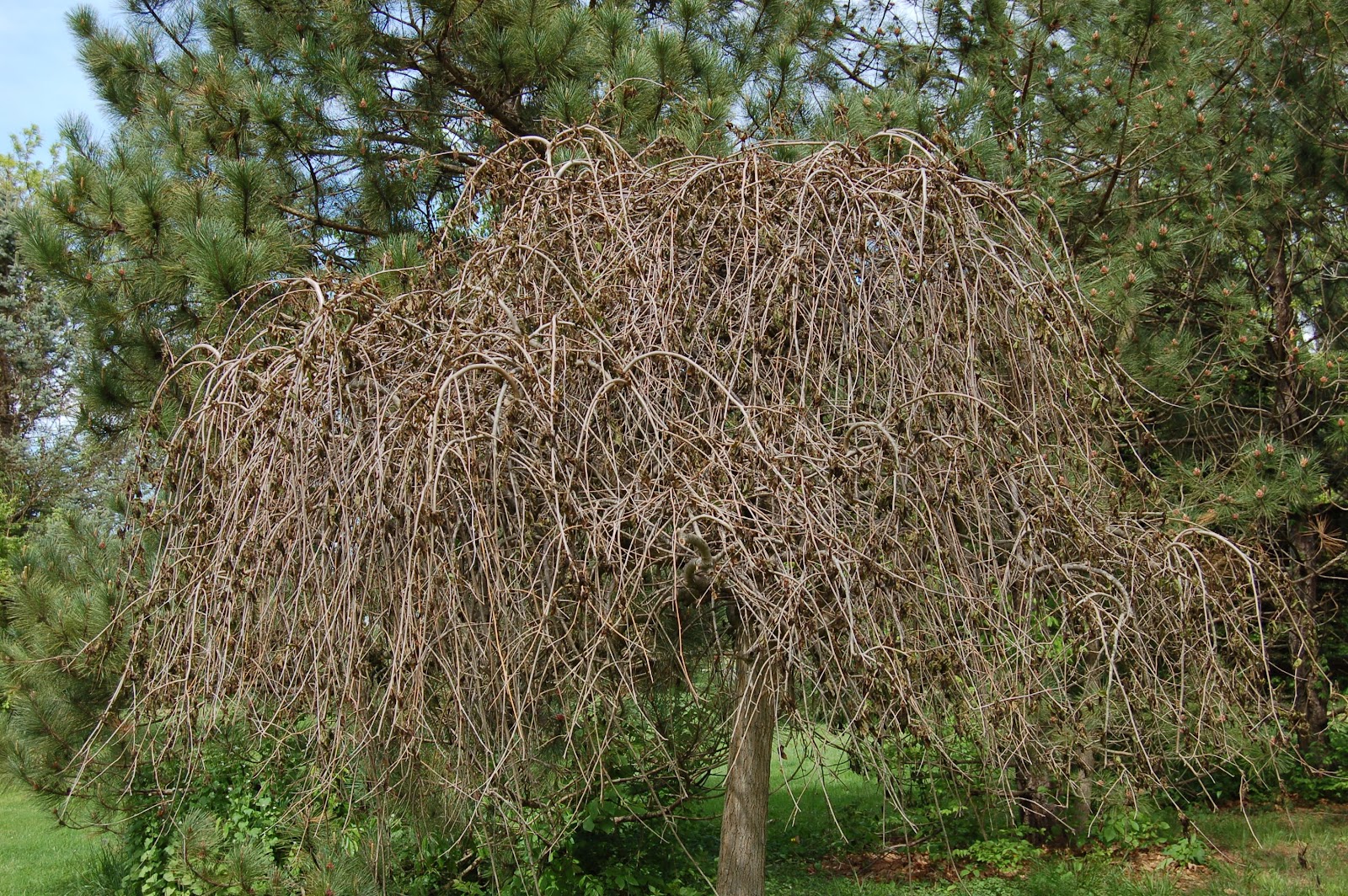
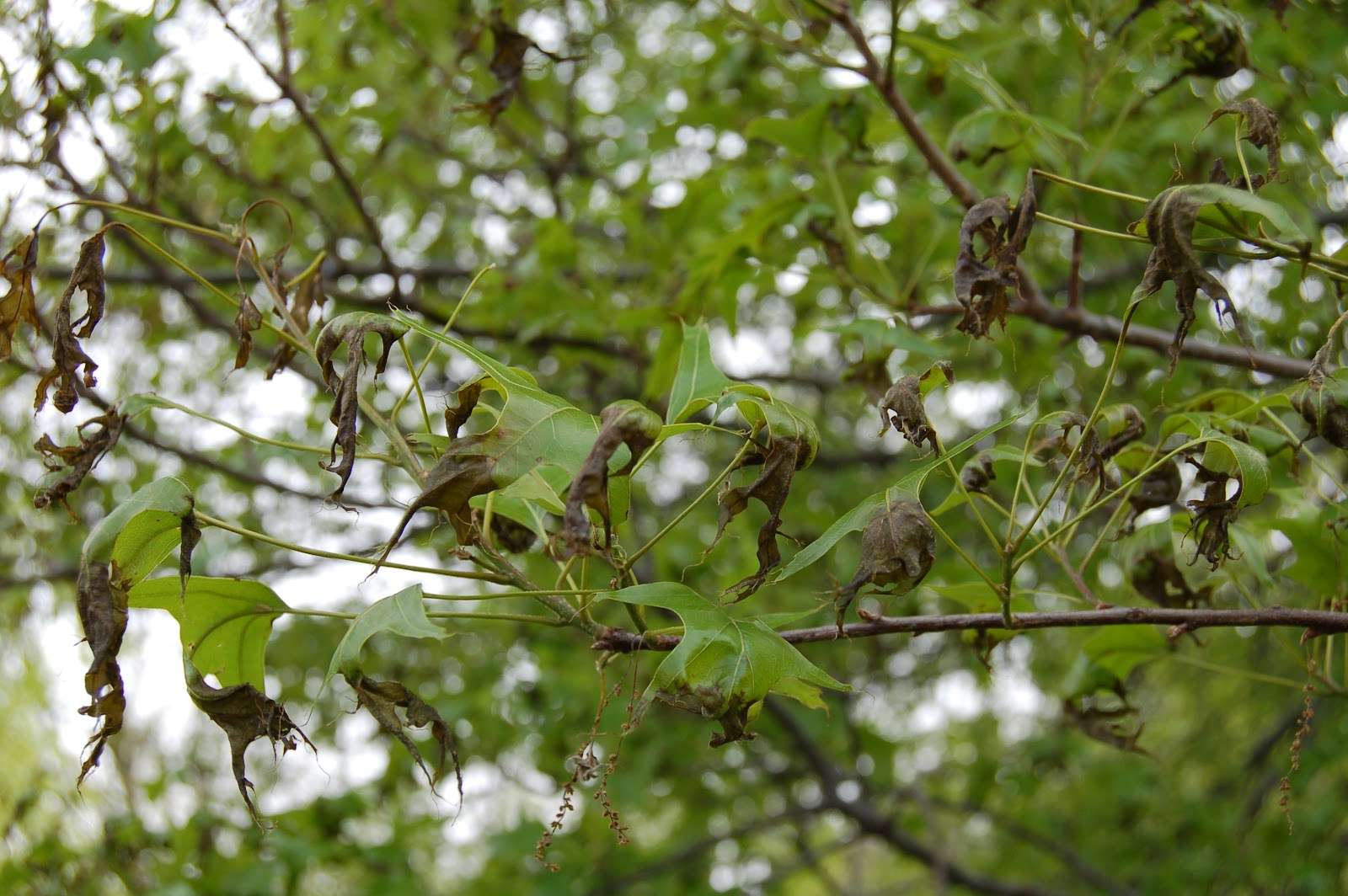
Note that freeze incidents are normal for this time of year. What is abnormal is the earliness of development, leaving the plants exceptionally vulnerable to freeze. The good news is that woody plants, in most cases, will outgrow the damage.
B. Rosie Lerner, Purdue Extension Consumer Horticulturist
Article originally posted at: http://www.agriculture.purdue.edu/agcomm/newscolumns/archives/YGnews/2012/April/120419YG.html
Crabgrass Not Dead After Recent Frosts/Freezes
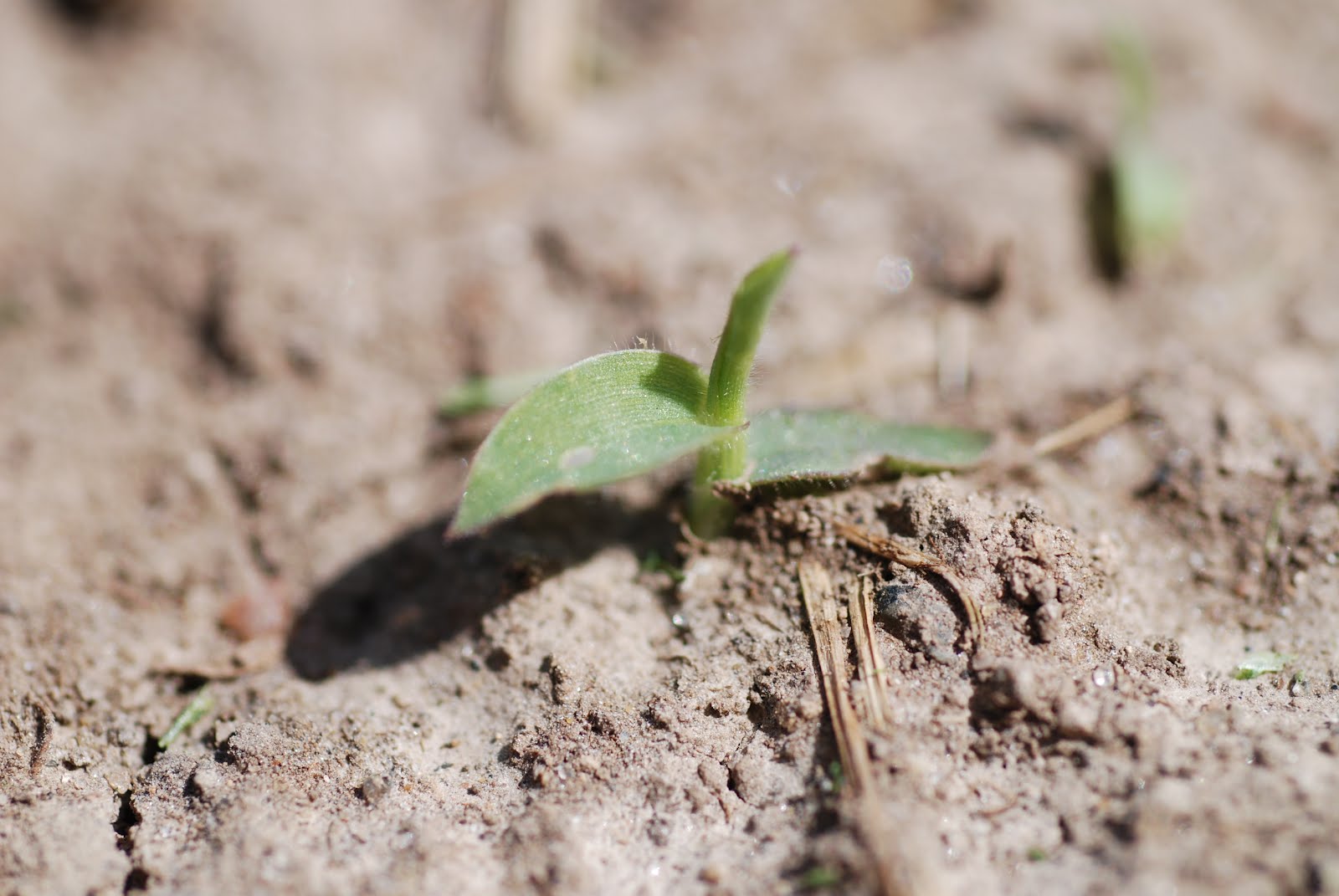
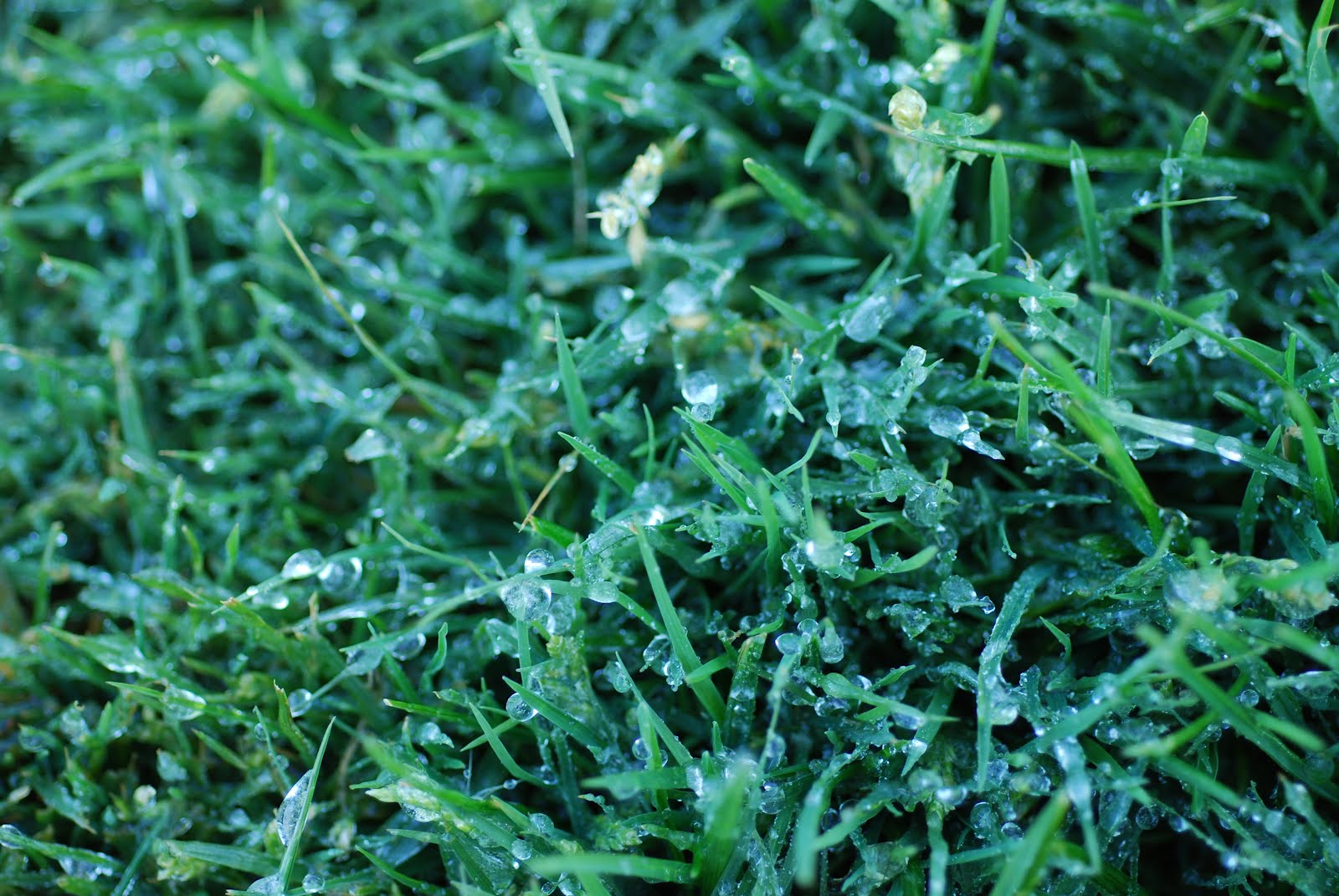
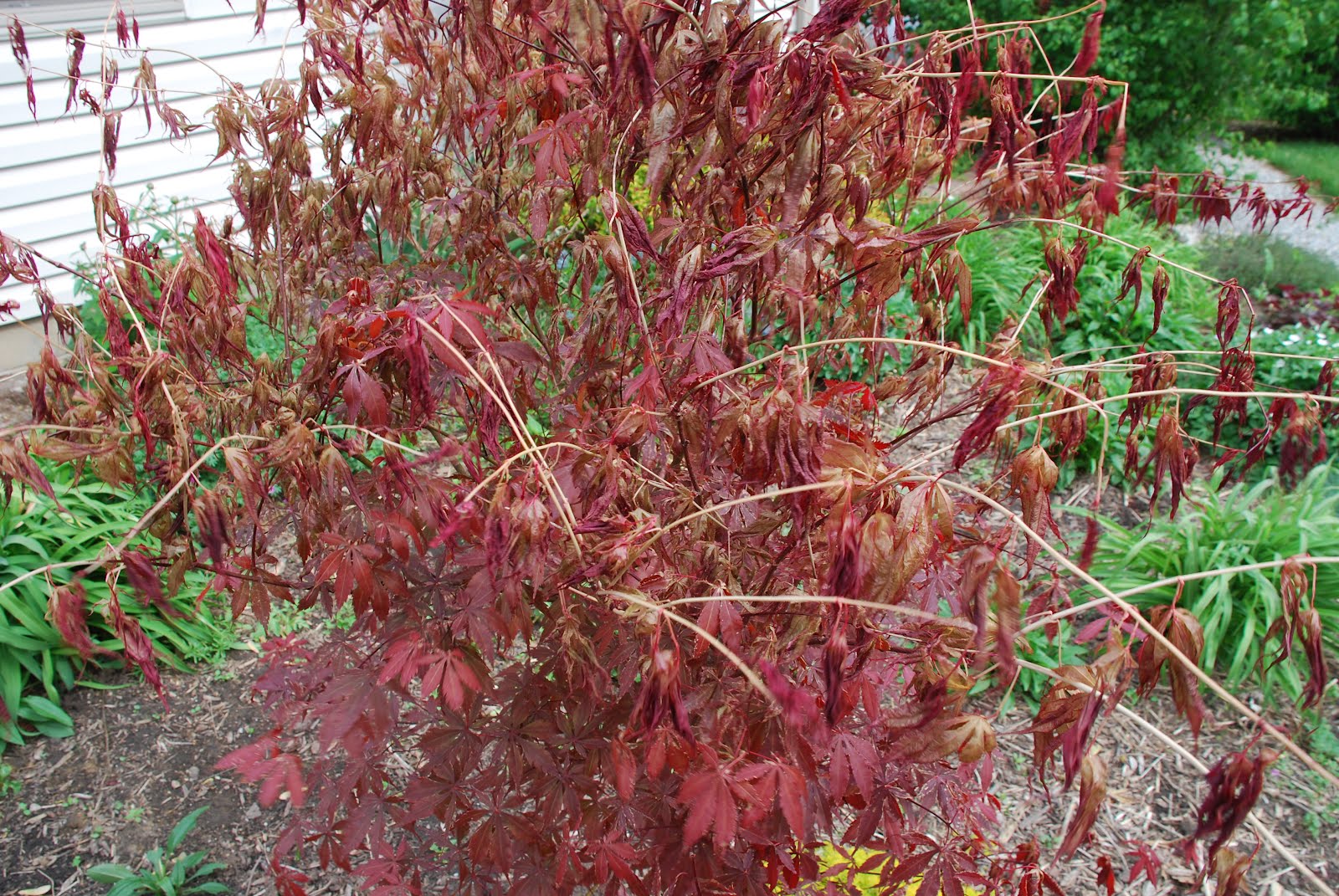
Despite some recent frosts and freezes across certain spots in Indiana, crabgrass remains unaffected and was not killed. Although crabgrass was not injured, other cold sensitive plants were such as volunteer tomato seedlings in my garden and my Japanese maple.
Recent cold air temperatures cooled down our soil temperatures. Temperatures will be mild for the next 10+ days. When they being to rise again in the next couple of weeks, expect the second flush of crabgrass germination to begin in late April.
New Publications on Tree Selection, Planting, and Diagnosis
The following new publications about tree selection, planting and diagnosis might be of interest to you. See below for more details.
Why is My Tree Dying? (FNR-FAQ-11-W) https://mdc.itap.purdue.edu/item.asp?itemID=20568
This publication explains how trees can be injured and die from damage suffered during construction projects. Author: Lindsey Purcell, Urban Forestry Specialist.
Tree Installation: Process and Practices (FNR-433-w) https://mdc.itap.purdue.edu/item.asp?Item_Number=FNR-433-W
A helpful how-to guide on choosing, planting and maintaining trees. Includes a 12-step planting process, Indiana native tree and utility-friendly tree charts, Midwest Hardiness Zones and Tree Planting Detail graphics and photographs. Author: Lindsey Purcell, Urban Forestry. Specialist.
Construction and Trees: Guidelines for Protection (FNR-463-w) https://mdc.itap.purdue.edu/item.asp?itemID=20538
This publication provides information on protecting trees within or near construction sites and home building projects from damage or death.
Author: Lindsey Purcell, Urban Forestry. Specialist.
Early Spring Insect Update
Not surprisingly, the early spring warm-up has resulted in a frenzy of early season insect activity. We were out in the field earlier this week to get a handle on just how far ahead insect activity may be this year and we were somewhat exasperated by what we found…
Billbugs
Billbugs are out in full force in West Lafayette and I’m certain they have already started to deposit eggs into stems. Some of those eggs have probably started hatching which means the larvae are already actively feeding inside plant stems. For those who have been challenged by billbugs in the past, the time to apply chemical controls is NOW! At this time, we would lean toward the neonicotinyls (chlothianidin, dinotefuran, imidacloprid or thiamethoxam) or Acelepryn® (chlorantraniliprole) because the systemic activity of these compounds will provide control of larvae inside the stems. If you are also thinking ahead to white grub control later in the season, make sure to use the highest labeled rates or risk losing the benefits of residual grub control later in the season (expect white grub season to start earlier this year too).
This may be one of those years when we experience two full generations of billbugs even in the northern part of the State, so good control of the first generation will be extremely important. Our turf will be able to tolerate a fair amount of damage from the first generation since growing conditions will likely make recovery less challenging. However, a second generation with damage occurring in the hot dry months of July and August can be much more problematic ¾ just ask anyone who regularly deals with hunting billbugs in Southern Indiana and Kentucky.
Speaking of hunting billbug… experience would indicate that these insects have been out and about for some time now in Southern Indiana and it is very likely that most eggs have already hatched. As with the other billbug species, target the larvae inside the stems at this time using one of the previously mentioned insecticides.
Sod webworms
Overwintered sod webworm larvae have also begun feeding and the birds have, no doubt, keyed in on this activity. If you are experiencing damage related to sod webworms or birds foraging for these insects on short-cut bentgrass, an application of any of the pyrethroids (bifenthrin, beta-cyfluthrin, deltamethrin, lambda-cyhalothrin etc…) should remediate the insect problem. If birds are actively foraging in these areas, try to avoid using granular materials and do not water-in liquid applications.
Cutworms and Armyworms
As Dr. Gibb has pointed out, substantial numbers of adult black cutworms and armyworms are already present and laying eggs in the turf ¾ the larvae will not be far behind. Keep an eye out for indications of damage and treat accordingly. Remember that a tablespoon of lemon-scented dishwashing detergent in a gallon of water can provide an effective and simple sampling tool for these insects when poured over a square yard of turf. A few short minutes of observation after a soap flush can clarify if treatment is required.
Black Cutworm and Armyworm Moths Are Early Arrivals in 2012
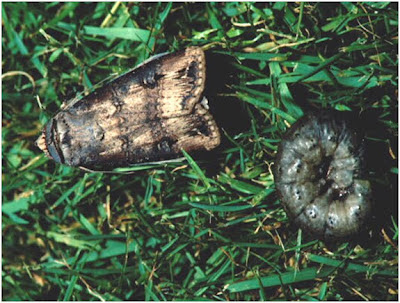 The mild winter experienced throughout the midwest has affected the arrival of our early season moths. Recent reports of both armyworm and black cutworm adults throughout the state signal an early arrival of the caterpillars. The first order of business for these moths is to mate and lay eggs.
Golf course superintendents and athletic field managers are advised to pay close attention to moth activity, current temperatures, and future weather conditions as they begin to search for caterpillars and associated feeding damage. The decision to treat should be based on this scouting activity, caterpillar damage and the potential threat of cutworms and armyworms to sensitive turfgrass areas.
Crabgrass is Now Germinating at Most Indiana Locations
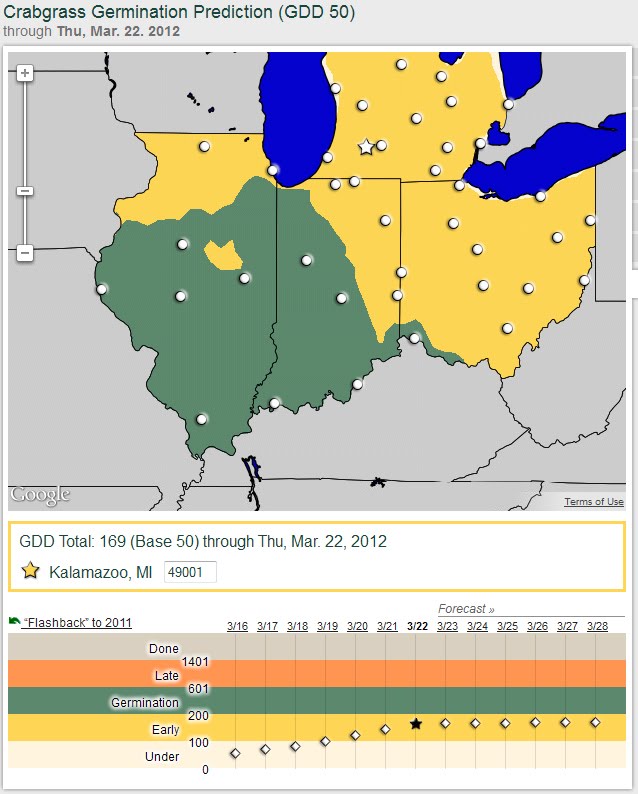
The GDD Tracker website (sponsored by the MRTF and Purdue University) is predicting that crabgrass is now germinating at most Indiana Locations (see figure below). The GDD Tracker estimated that crabgrass germinated in Lafayette, IN after Wednesday this week and I was able to confirm this by identifying newly germinated crabgrass (see figure below) both in Lafayette and West Lafayette.
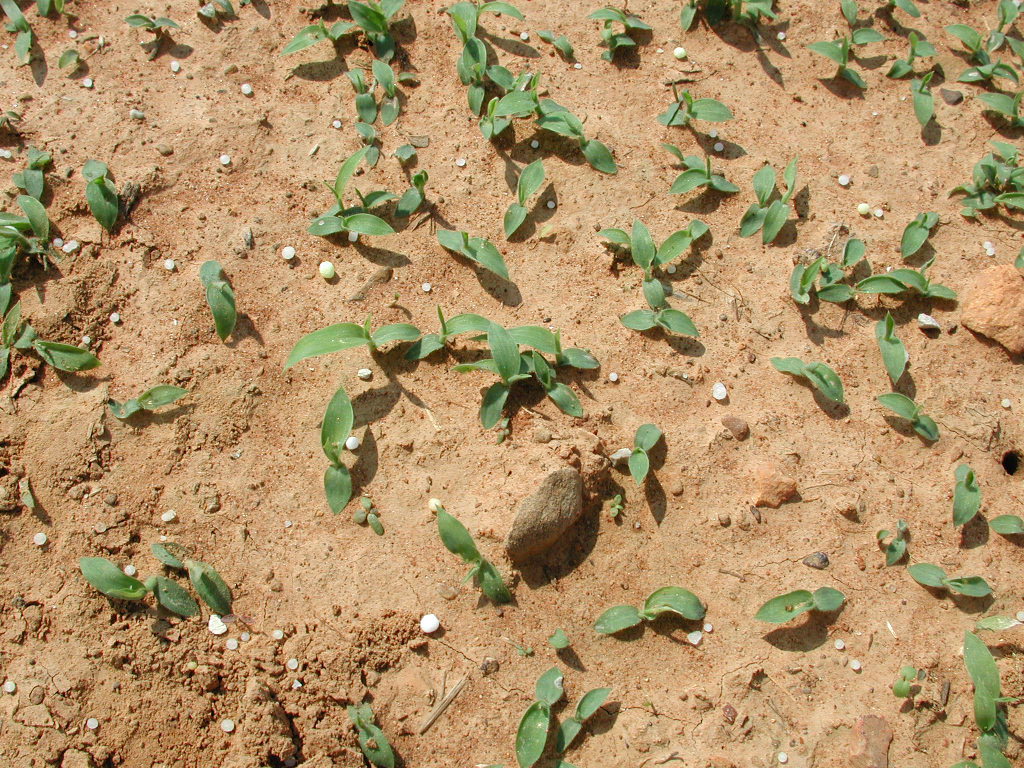
For those of you that have not yet applied a preemergence herbicide (crabgrass preventer), it is still possible to control crabgrass if you choose a product that contains dithiopyr – the only preemergence crabgrass herbicide that also has some early postemergence activity on crabgrass.
The weather is now changing. We will continue to monitor the growing conditions and provide updates as needed on turf growth and turf pests in 2012.
New Turf Publication: Facts About Phosphorus and Lawns
A new turf publication has been posted on the Turf website:
Facts About Phosphorus and Lawns – AY-334
https://www.extension.purdue.edu/extmedia/ay/ay-334-w.pdf
When Will Crabgrass Germinate?
With the rapidly warming weather, several are asking “When will crabgrass germinate?” The reason this is so important is because preemergence herbicides used for the control of crabgrass must be applied prior to emergence (except dithiopyr (Dimension) which can be used postemergence on crabgrass up to 1-tiller). There are several different ways to try and anticipate when crabgrass might germinate. My favorite is the GDD Tracker website. This blog post is an expansion of a post in 2011 with more information and sources.
Soil Temperature: Research says that crabgrass begins to germinate when the average daily soil temperatures reach 57 to 64 °F at a one-inch depth although large quantities of crabgrass seedlings will not start germinating until soil temperatures increase to 73 °F or above at a one-inch depth (Fidanza et al., 1996). Soil growing degree days (in contrast to the air temperature model highlighted below) have also been sued by others to predict large crabgrass emergence (Myers et al., 2004). The problem with using soil temperatures to predict germination is that most turf managers do not have access to daily soil temperature averages or are not collecting data with their own stations for their location. Going outside and collecting a soil temperature measurement with a thermometer provides only an instantaneous measurement and not an average over time.
Air Temperature Using Growing Degree Days: Because it is often inconvenient to obtain soil temperature data and often easier to track air temperature; consider using a growing degree day (GDD) model based upon air temperatures. Research suggests that 200 GDD need to accumulate with a base of 50 °F (http://www.gddtracker.net/?model=10&offset=0&zip=47905) before crabgrass germinates (source: Dr. Ron Calhoun). Currently (March 16, 2012), the models show that crabgrass still has not germinated in southern Indiana but that it is about to emerge. This still allows for the application of a preemergence herbicide if not yet treated.
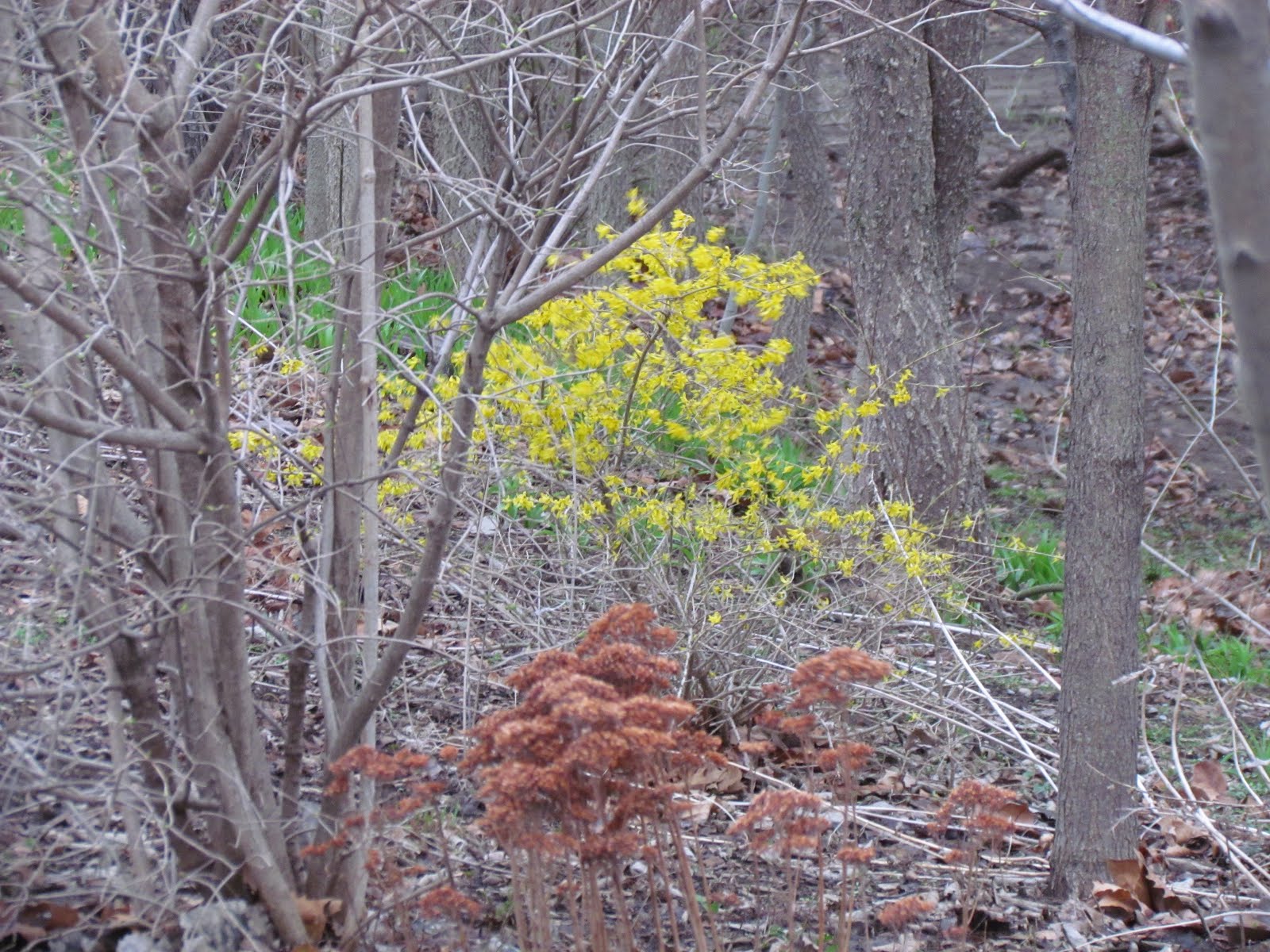
Plant Phenological Indicators: The flowering of landscape plants can also be used as a good estimate of when crabgrass might be germinating. Many are aware that forsythia is traditionally considered a good plant to indicate that crabgrass will soon start germinating. Forsythia will be in full bloom prior to crabgrass germination and forsythia flowers will wither near crabgrass germination (Masin et al., 2005; Cardina et al., 2011). Most think that crabgrass germinates when forsythia blooms, but this is false. Instead, turf managers should use forsythia blooms as an encouragement to hurry up and get their preemergence application made before crabgrass begins to germinate. Other plants common in the landscape that bloom before crabgrass germinates include saucer and star magnolia and Bradford Callery pear (Cardina et al., 2011). The initiation of redbud blooms and sometimes crabapples are also a good indication of when crabgrass may germinate (Cardina et al., 2011). However, having said all this, researchers have also documented that ornamental plant flowering is not always a consistent predictor of crabgrass germination, especially with forsythia (Fry et al., 2001).
Sources
-
- Cardina, J., C.P. Herms, and D.A. Herms. 2011. Phenological indicators for emergence of large and smooth crabgrass (Digitaria sanguinalis and D. ischaemum). Weed Technol. 25:141-150.
- Fidanza, M.A., P.H. Dernoeden, and M. Zhang. 1996. Degree-days for predicting smooth crabgrass emergence in cool-season turfgrass. Crop Sci. 36:990-996.
- Fry, J., S. Rodie, R. Gaussoin, S. Wiest, W. Upham, and A.Zuk. 2001. Using flowering ornamentals to guide application of preemergence herbicides in the Midwestern U.S. International Turfgrass Soc. Res. J. 9:1009-1012.
- Masin, R., M.C. Zuin, and G. Zanin. 2005. Phenological observations on shrubs to predict weed emergence. Int. J. Biometeorl. 50:23-32.
- Myers, M.W., W.S. Curran, M.J. VanGessel, D.D. Calvin, D.A. Mortensen, B.A. Majek, H.D. Karsten, and G.W. Roth. Predicting weed emergence for either annual species in the northeastern United States. Weed Sci. 52:913-919.
Unwinter, Poa seedheads and Growing Degree Days, Oh MY!!!
As the “un-winter of 2011-2012” rapidly winds to a close golf course managers are already bringing their playing surfaces into peak form. For those managing putting surfaces containing annual bluegrass (Poa annua) this means addressing concerns that seedheads are affecting surface smoothness. With the lack of snow cover this past winter, the seedhead season is already off to a rapid start and seedheads in putting green turf are developing quickly! There are several cultural practices that can help minimize seedheads but treatment with a chemical plant growth regulator (PGR) provides the most consistent suppressive results.
Product choices: PGRs have been used for many years and currently there are not many new chemistries on the market. Historically, the most reliable choices have been; mefluidide (Embark or Embark T/O = less formulation) and ethephon (Proxy, several other brand names) or an ethephon + trinexapac-ethyl (TE:Primo Maxx, T-Nex and many other brand names) tank-mix. Mefluidide is normally a one time application thus, proper application timing is essential to success (unfortunately all plants do not produce seedheads at the same time/rate). Many consider it the “gold standard” for seedhead suppression. Any dissatisfaction with this product has been related to the missing the ideal application window and the risk for turf yellowing, particularly for Kentucky bluegrass surrounds. Many managers have moved away from using mefluidide on putting surfaces but it is still frequently used for higher cut fairway turf.
A popular alternative with very good suppressive properties is the ethephon + TE tank mix. The purported main advantage to the ethephon + TE combination is that the addition of TE with ethephon will minimize the yellowing (a “Granny Smith” apple green color) compared to ethephon applied alone. Additionally, the ethephon + TE combo is involves multiple applications (a second application should occur approximately 21 days following the first) which brackets seedhead development. Thus, many managers report more consistent seedhead suppression with this tank-mix compared to the single mefluidide application.
The use of other plant growth regulators like paclobutrazol, flurprimidol or TE alone, only slightly suppresses or delays seedhead emergence. These PGRs will not, however, minimize the seedheads to the extent of a mefluidide or ethephon + TE tank-mix. The addition of TE with ethephon also enhances turf color, however, research has shown where ethephon applied alone or tank-mixed with TE significant scalping (Dernoeden and Pigati, 2009) can occur when a TE program is not continued. Another consideration with any of the seedhead products would be the inclusion of a chelated iron source. This will further enhance green color and mask any potential PGR discoloration.
Timing: There are a number of managers who still use the “feel”, experience or local knowledge method to determine application timing. Another suggestion has been to initiate a seedhead program based after the second “true” mowing or when the turf is actively growing. While prior experience should still be a part of the decision to initiate, there are also more quantitative methods to help make this decision. Several models are available based on accumulating growing degree days (GDD) or heat units. The GDD models are based on the high and low air temperatures and utilize a “base” temperature. The most common method for calculating GDD is:
GDD = (max temp + min temp)/2 – “base temperature” (normally either 32 or 50 F)
Example: If we had a day with a maximum temperature of 76 and a minimum of 50 and used a base temperature of 50 the calculation would be: GDD = (76 + 50)/2 – 50 = 13, or for this single day 13 GDD. Remember there are no negative GDDs, a negative number is considered a zero and GDDs are summed across time (e.g. GDD day 1 = 3, day 2 = 4, day 3 = 15 would be 22 GDDs). You can do this on your own with a spreadsheet program and the weather data, but in our region (IN, IL, MI, OH) the growing degree day tracker located at www.gddtracker.net is an extremely useful tool that calculates for you.
Differences in base GDD temperatures? In prior years a base temperature of 50 was once used. Research conducted at Michigan State suggested that the GDD 50 base model often overestimated a few early warm days in the season and due to the higher base temperature and low number of GDD units required to reach the application threshold the model quickly passed the application target range. Thus, the GDD50 model is no longer used and a base temperature of 32 now used for the www.gddtracker.net model.
What to do? This spring (2012) GDDs have accumulated quite rapidly. The target for initiating an ethephon + TE program is normally between 200 and 250 GDDs, some suggest a specific number 220 and applications will be out of range at 500 GDD. In other words managers that start once 500 GDD accumulate should expect less than satisfactory results.
For many, in the region it is already time to apply the initial ethephon + TE tank-mix. For example, in Indianapolis this past Sunday (11 March) saw GDD exceed the initial threshold of 200 at 228 GDD and today (15 March) GDDs are predicted to be 320. In Lafayette, the initial threshold was met on Monday (3-12) at 236 GDD and today we will see 300 GDD. Way up north in Bristol the initial threshold will be met today at 212 GDD.
The take home point is that it is time to start treating for seedheads and as I talk to people in Indiana this initial application is about 11 to 14 days sooner than when they applied last year. The models are tools along with experience and as you gather “quantitative information” for your 2012 agronomic plans don’t forget to check out our tools on the Purdue Turfgrass Web-site https://turf.purdue.edu/ as well as other online tools like Syngenta’s Pest Outlook Maps http://www.greencastonline.com/tools/PestOutlooks.aspx
Reference:
Dernoeden, P. H., and R. L. Pigati. 2009. Scalping and creeping bentgrass quality as influenced by ethephon and trinexapac-ethyl. [Online]Appl. Turfgrass Sci. p. 1-7.
Activity of Turfgrass Pathogens
A new posting has been added to Turfcast.
See Turfcast (http://btny.agriculture.purdue.edu/turfcast/) to read more about this post and for a daily summary of risk for several turfgrass diseases.
Rick Latin, Turfgrass Pathologist