Category: Weed of the Month

Henbit

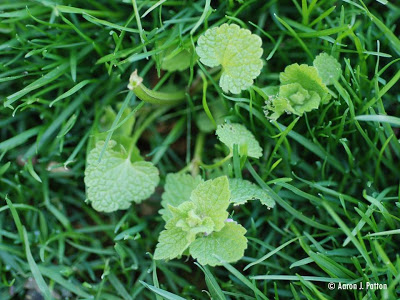
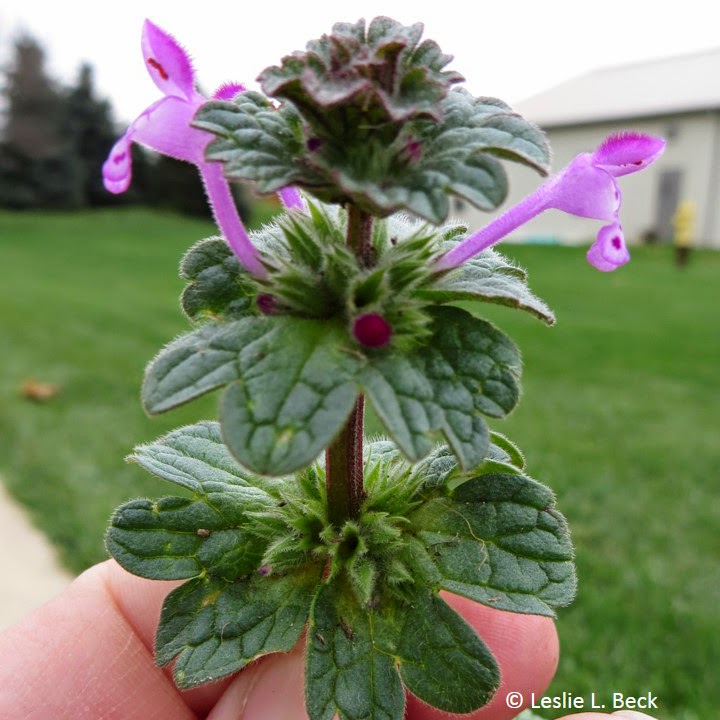
Henbit     Biology: Henbit (Lamium amplexicaule) is a common winter annual broadleaf weed found throughout the United States. It can often be mistaken for another closely related winter annual broadleaf, purple deadnettle. Both can be observed by their showy pink to purple flowers which are primarily produced in April, but can appear from March…Read more about Henbit[Read More]

 Categories:

Black Medic

Black Medic     Biology: Black Medic (Medicago lupulina) is a summer annual (or less commonly a winter annual) broadleaf weed that can be found throughout the United States. Seeds germinate in the spring and are capable of establishing in drought-prone or disturbed soils. Black medic is a legume, meaning that it has the capabilities…Read more about Black Medic[Read More]

 Categories:

White Clover

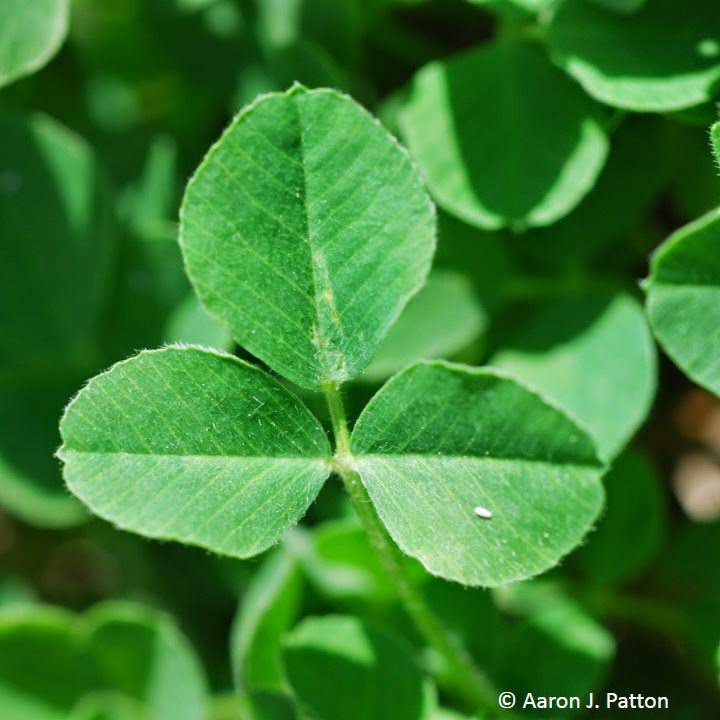
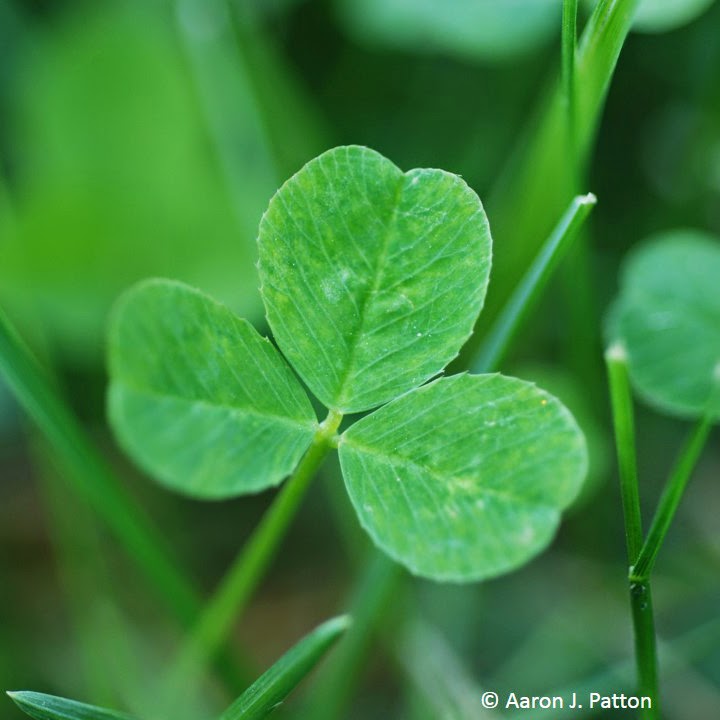
  White Clover     Biology: White clover (Trifolium repens) is a perennial broadleaf weed that can be found throughout the United States. Seeds can germinate in moist-cool conditions in spring, early summer, or early fall. Because it tolerates close mowing, can grow in multiple soil types, and has the ability to fix its own…Read more about White Clover[Read More]

 Categories:

Nimblewill

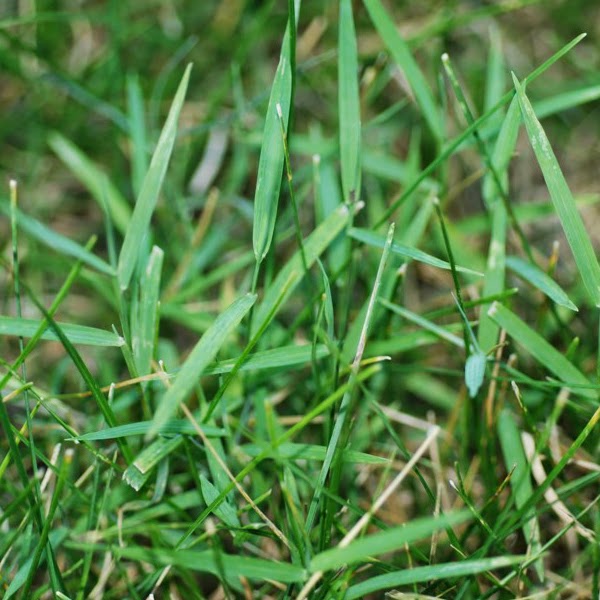
      Nimblewill     Biology: Nimblewill (Muhlenbergia schreberi) is a warm-season perennial grass found throughout the northeast, southeast, and Midwestern United States. It can often be mistaken for other mat-forming grasses with blue-green foliage such as bermudagrass or creeping bentgrass. It grows well in moist, shady areas but it is also found in…Read more about Nimblewill[Read More]

 Categories:

Common Bermudagrass

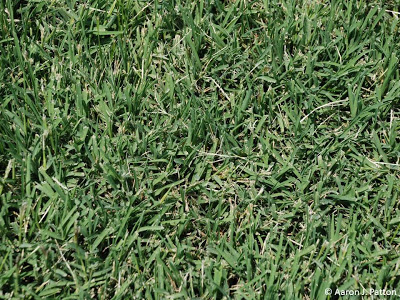
      Common Bermudagrass     Biology: Common bermudagrass (Cynodon dactylon) is the most commonly used turfgrass in the southern United States, but it is also a difficult-to-control weed in northern turf. Bermudagrass is a drought tolerant, warm-season, perennial grass species that tolerates low mowing and actively spreads vegetatively by both rhizomes and stolons…Read more about Common Bermudagrass[Read More]

 Categories:

Goosegrass

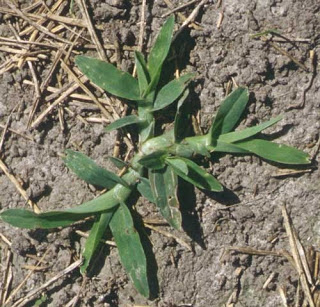
      Goosegrass     Biology: Goosegrass (Eleusine indica) is an late-germinating summer annual grass that is often found in compacted areas or areas disturbed in the summer. These areas include compacted areas next to sidewalks or cart paths, golf course tees, and areas were soil is disturbed during the summer. Germination typically starts…Read more about Goosegrass[Read More]

 Categories:

Fountain Grass

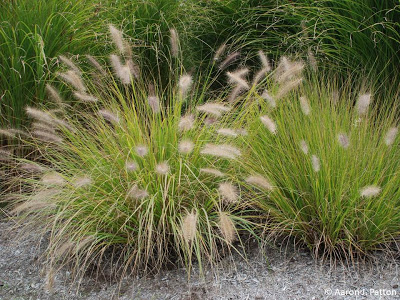
Fountain Grass     Biology: Fountain grass ((Pennisetum spp.) is an ornamental grass common to the landscapes of homes, commercial sites, and golf courses. However, following years of planting in these landscapes, we now realize that this species produces many viable seeds that drop onto the adjacent turf and then become tough-to-control perennial grassy weeds….Read more about Fountain Grass[Read More]

 Categories:

Wild Violets

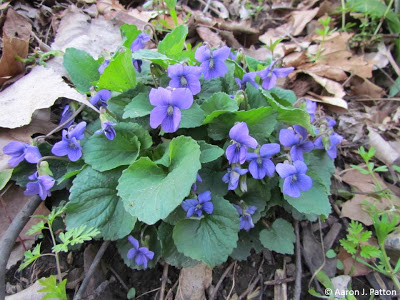
  Wild Violet      Biology: Collectively, turf managers refer to the Midwest species common blue violet (Viola sororia), wooly blue violet (Viola papilionacea), and confederate violet (Viola sororia f. priceana) all as wild violet. Additionally, yellow violet (Viola pubescens) is also found in Indiana. Wild violets are a persistent, perennial, and difficult-to-control broadleaf plant….Read more about Wild Violets[Read More]

 Categories:

Purple Deadnettle

  Purple Deadnettle    Biology: Purple deadnettle (Lamium purpureum) is a common winter annual broadleaf weed found throughout the US. It is closely related to another winter annual broadleaf, henbit (Lamium amplexicaule). Both have vibrant purple flowers that can been seen now in lawns, landscapes, and fields.   Identification: Purple deadnettle is a winter annual…Read more about Purple Deadnettle[Read More]

 Categories:

Large Crabgrass

  Large Crabgrass    Biology: Large crabgrass ( Digitaria sanguinalis ), smooth crabgrass (Digitaria ischaemum), and to a lesser extent southern crabgrass (Digitaria ciliaris) are all species found in the Midwest that are collectively referred to as crabgrass. Large crabgrass is probably the most common of these in Indiana lawns. Combined, these crabgrass species are…Read more about Large Crabgrass[Read More]

 Categories:

Prostrate Knotweed

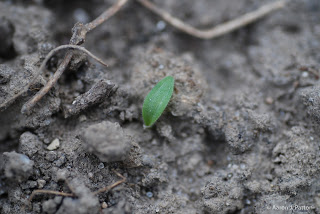
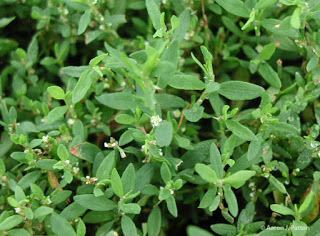
  This post kicks off a new series that we will be posting via turf tips called, “Weed of the Month”. In each post we’ll discuss a timely weed (one that you’re seeing at that particular time of year) and we will highlight its biology, identification, and control.   February’s weed of the month is…Read more about Prostrate Knotweed[Read More]

 Categories:

Page last modified: February 5, 2020

Turfgrass Science at Purdue University - Horticulture & Landscape Architecture, 625 Agriculture Mall, West Lafayette, IN 47907

© 2026 Purdue UniversityAn equal access/equal opportunity universityCopyright ComplaintsMaintained by Turfgrass Science at Purdue University

If you have trouble accessing this page because of a disability, please contact Turfgrass Science at Purdue University at kkalbaug@purdue.eduAccessibility Resources