Tag: Turf Professional

Rounds 4 Research: Auction is Open until May 7. Support the Purdue Turf Program

The 2017 Rounds 4 Research auction is now open. The auction is open May 1-7, 2017 with proceeds going to support turf research at Purdue University and in Indiana through the Midwest Regional Turf Foundation. Fundraising supports research and education...
Read More
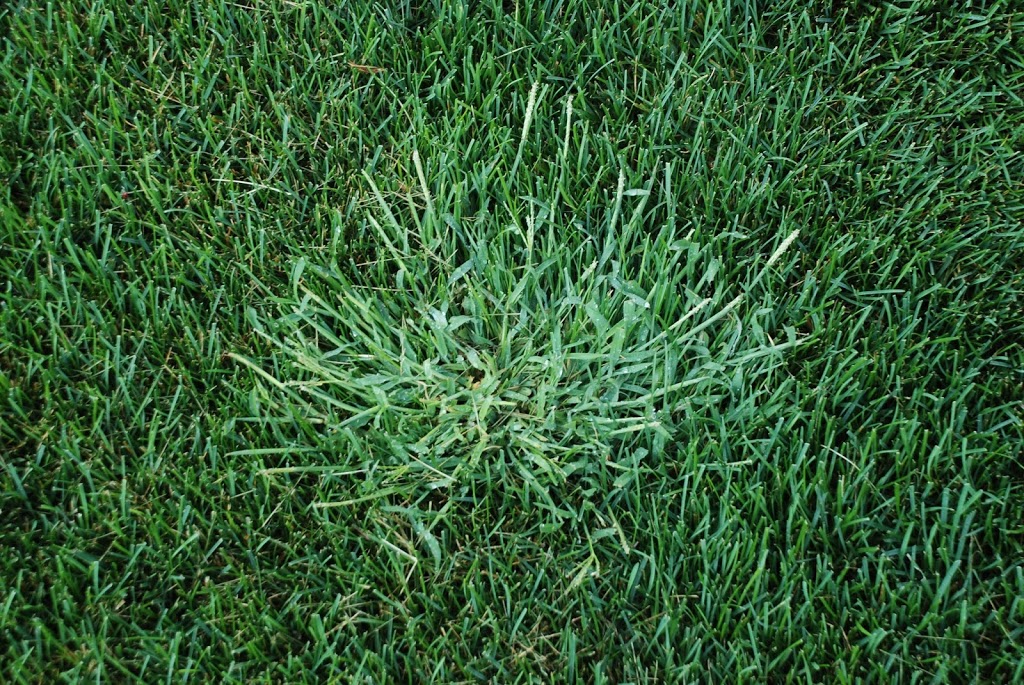
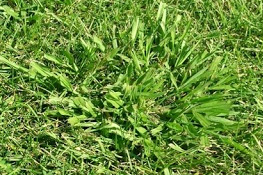
Crabgrass is out in full force in 2016!

Why is crabgrass so bad this year? Several factors contribute to a bad year for crabgrass. Crabgrass is a warm-season grass meaning that it thrives in hot conditions with optimum growth in temperatures ranging from 88 to 95 °F. However,...
Read More

Lawn Diseases 2016

The summer of 2016 has been quite favorable for the development of an assortment of infectious diseases on residential turf.  The primary driver of all of this disease activity is the weather.  In the lower Midwest, the combination of elevated...
Read More

Turfgrass Insects: Managing White Grubs in Turfgrass

This publication provides Indiana turfgrass management professionals and property owners with information to help them (1) properly identify the most common white grub species, (2) understand white grub biology, (3) recognize white grub damage, and (4) formulate safe and effective management strategies.

(E-271-W)


PDF

PDF version of Turfgrass Insects: Managing White Grubs in Turfgrass

Read More

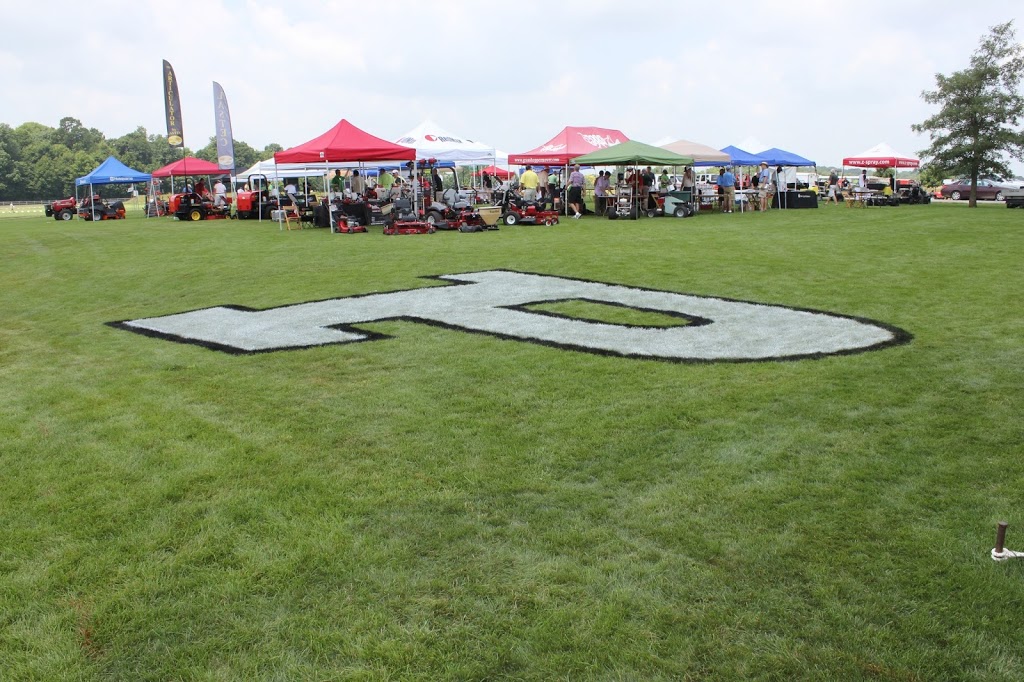
Turf and Landscape Field Day on July 12, 2016

On Tuesday, July 12, 2016 the Purdue Turf Program and the Midwest Regional Turf Foundation will host the Turf and Landscape Field Day. The Turf and Landscape Field Day is Indiana’s largest green industry field day. This will be the...
Read More

Field Paspalum

Field Paspalum   Biology: Field paspalum (Paspalum laeve Michx.) is a warm-season perennial weed with short rhizomes similar to dallisgrass (Paspalum dilatatum Poir.). Much of the below Weed of the Month entry comes from research conducted in Indiana on how...
Read More

2016 Great Lakes School of Turfgrass Science Online now enrolling students

Read More

Turfgrass Disease Profiles: Turf Disease Identification

This publication will help turf managers know what to look for when they diagnose infectious turf diseases on the course and in the field. Readers will understand the components of the disease triangle (host, pathogen, and environment), and then be able to use that concept to develop a systematic approach identifying turf disease.

(BP-124-W)


PDF

PDF version of Turfgrass Disease Profiles: Turf Disease Identification

Read More

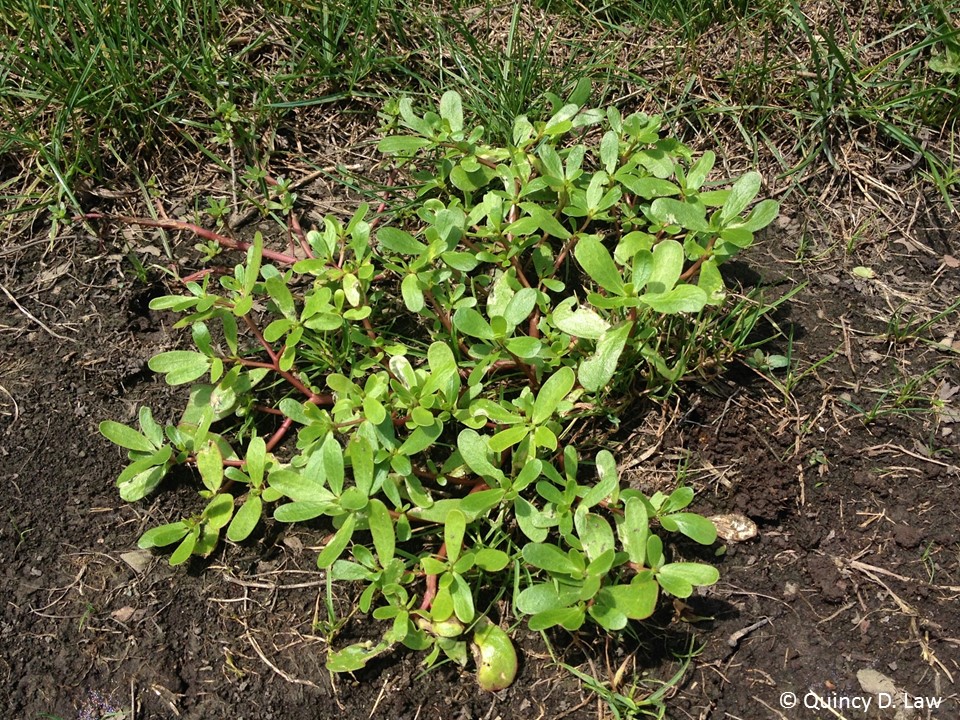
Common Purslane

Purslane Biology: Common purslane (Portulaca oleracea L.) is a summer annual broadleaf weed (Fig. 1) that is commonly found in low maintenance turf swards (Fig. 2), turf seeded in summer (Fig. 3), next to sidewalks and driveways, and in mulched...
Read More

Look Out for Herbicide Resistant Weeds in Turf

Herbicide resistance can be defined as the acquired ability of a weed population to survive an herbicide application that previously was known to control the population. The number of herbicide resistant weeds has been rapidly increasing in agriculture in recent...
Read More

What’s Next in the Forecast?

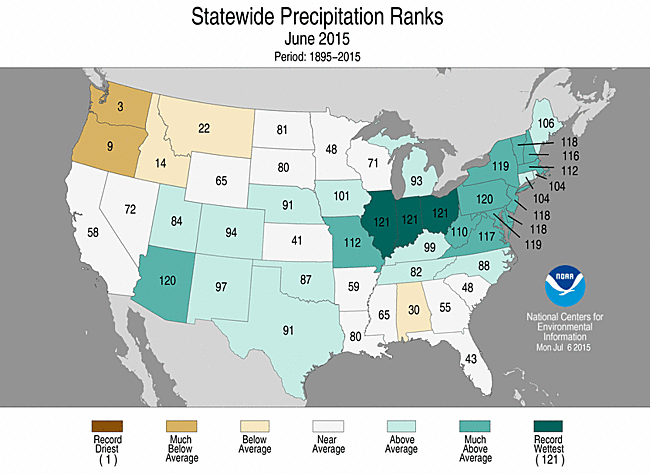
June 2015 was the wettest month on record in Indiana, Illinois, and Ohio, but I don’t have to tell you that if you live in one of these states as you’ve experienced it firsthand.   But what’s next? Here are...
Read More

Postemergence Crabgrass Control

As crabgrass grows larger and larger this spring into summer, you'll need to know just how big it is before selecting the right product for postemergence control. Read my recent article to turf professionals at Turf Republic: Just How Big...
Read More

Quackgrass

Quackgrass     Biology: Quackgrass ( Elymus repens) is a cool-season perennial that vigorously spreads by rhizomes. It is a sod-forming grass that can crowd out desirable grasses and even other weeds. Quackgrass has been shown to be allelopathic, which means...
Read More

Rain, Rain Go Away?

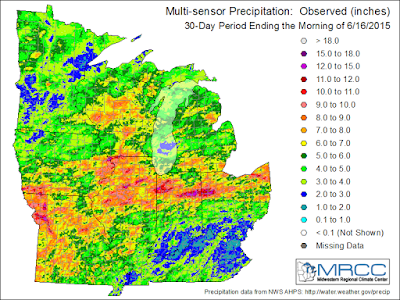
There are a lot of wet areas out there right now as pockets of Indiana have received more than double their monthly expected rainfall. Rain is a good thing but as we know it is possible to have too much...
Read More

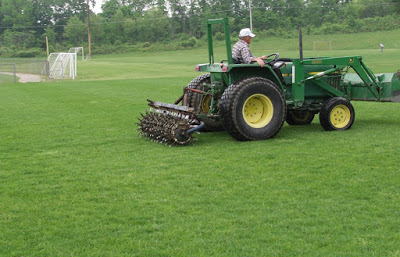
Is it Safe to Aerify after Applying a Preemergence Herbicide?

It is not uncommon for me to receive questions regarding whether it is OK to aerify an area when you’ve already applied a preemergence herbicide to control crabgrass. Will aerifying break the herbicide barrier and reduce my crabgrass control? The...
Read More

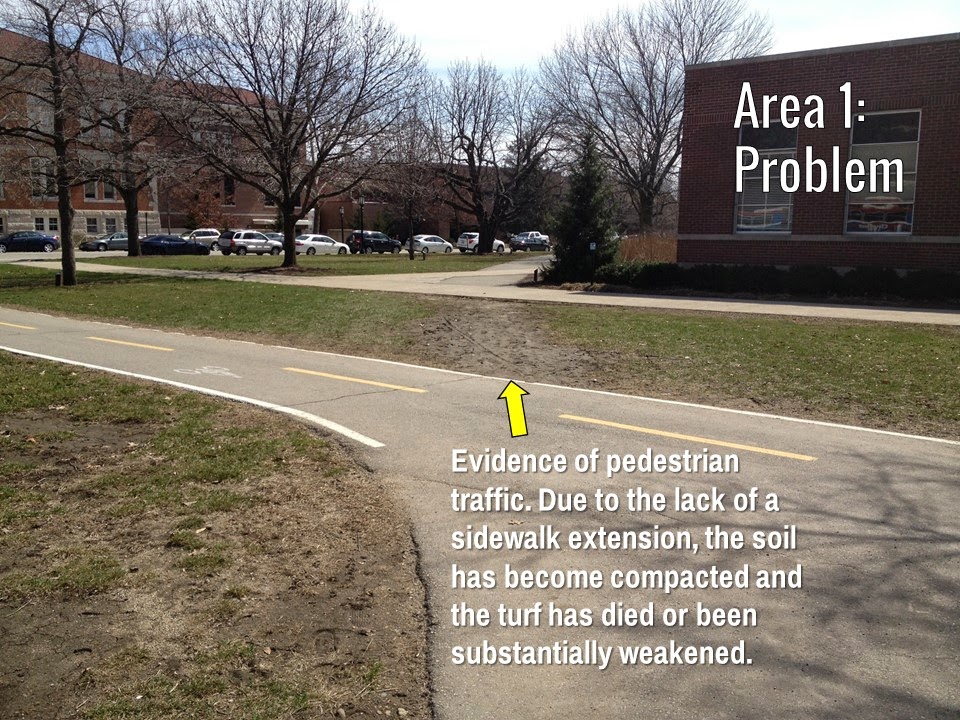
How to Keep Turf Areas Around Sidewalks From Failing

Last year I posted a turf tip on why it is so difficult to manage turf around sidewalks and driveways. I encourage you to read that post (Weed Management Next to Sidewalks and Driveways) as it provides recommendations for weed...
Read More

Common Questions About Crabgrass Germination and Preemergence Herbicides Answered

This time of year many have questions about crabgrass germination and control. Below are several previous Purdue turf tips that answer the most commonly asked questions about crabgrass control. When will crabgrass germinate? When should I apply my preemergence herbicide...
Read More

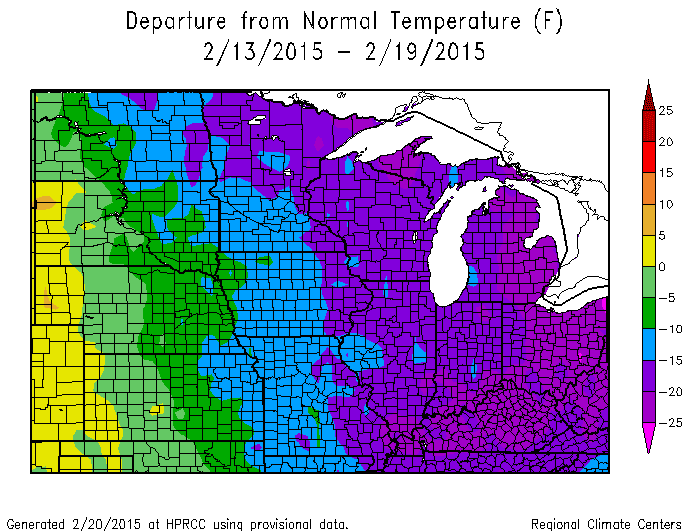
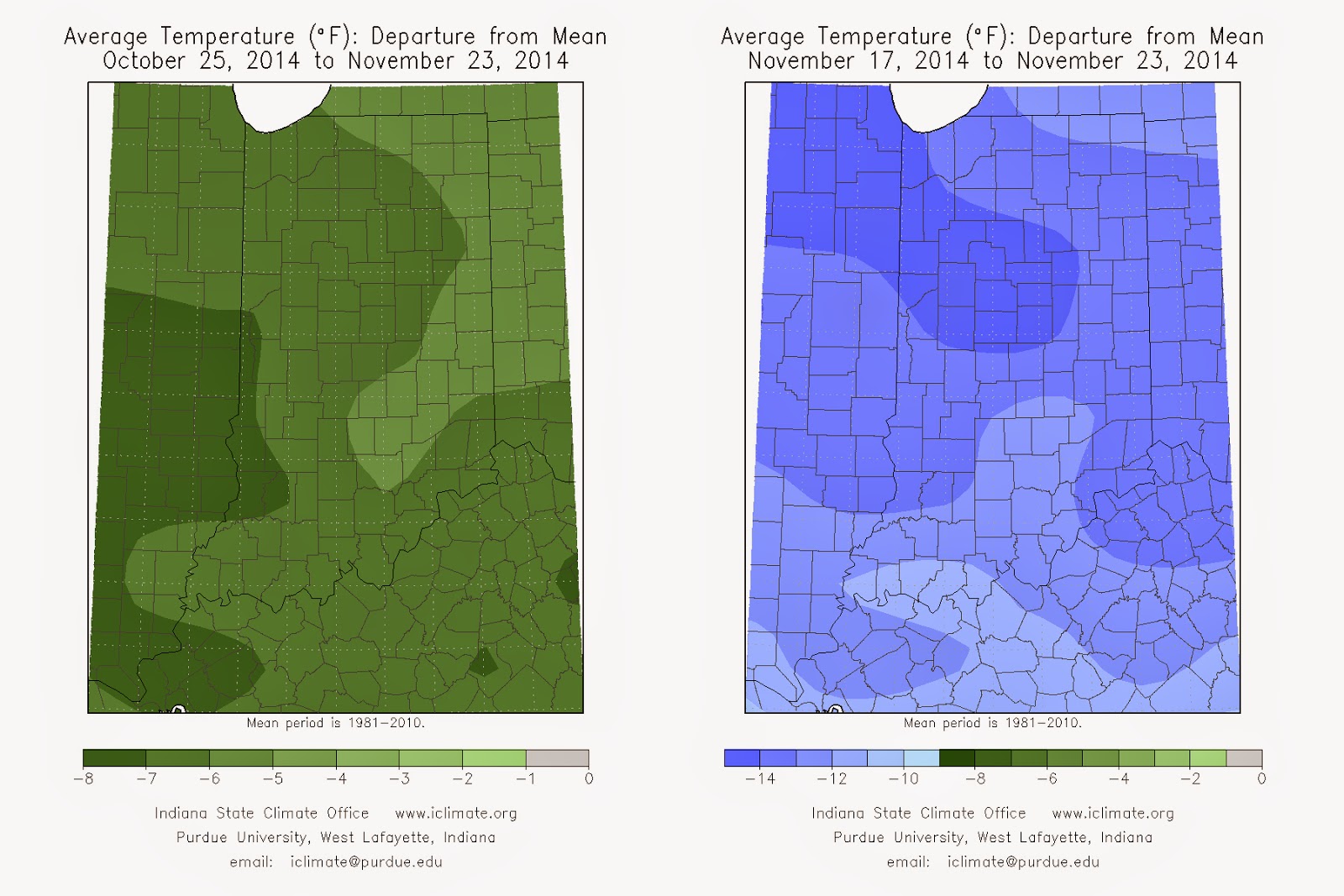
This Week Felt Too Much Like 2014!

This cold weather reminded me of the cold weather we experienced last winter. While it is too early to tell what effect the weather might have had on the turf, it could have damaged some warm-season turf areas in north...
Read More

Is it Too Late to Apply My Last Nitrogen Fertilization?

Fall is an important time to fertilizer our cool-season turfgrasses. Fall nitrogen promotes good root development, enhances storage of energy reserves, and extends color retention in cool-season lawns. Most of the benefits from late fall nitrogen will be seen next...
Read More