Category: Fertilizer

Is it Too Late to Apply My Last Nitrogen Fertilization?

Fall is an important time to fertilizer our cool-season turfgrasses. Fall nitrogen promotes good root development, enhances storage of energy reserves, and extends color retention in cool-season lawns. Most of the benefits from late fall nitrogen will be seen next...
Read More
Making Adjustments to Your Fertilizer Program

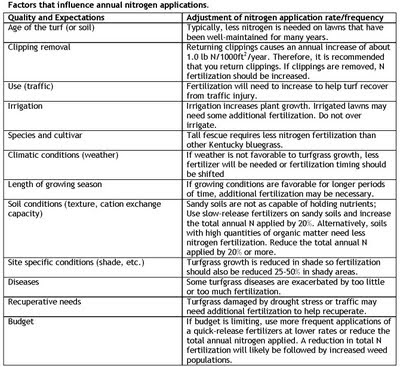
Although the Purdue University Turf Program publishes information about how to fertilize your turf with nitrogen (N)-based fertilizers including standard rates and timings, there are many factors that influence these rates and timings. It is important that each turf area...
Read More

Fall Fertilization

Cool-season turfgrass species should be fertilized mainly in the autumn. September and November are the two best times to fertilize a lawn in Indiana. Fall nitrogen promotes good root development, enhances storage of energy reserves, and extends color retention in...
Read More

Staying Dry

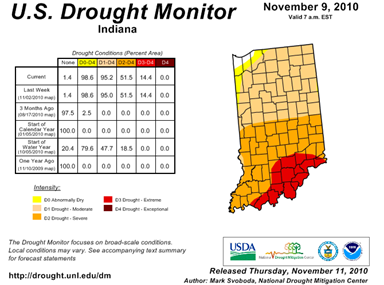
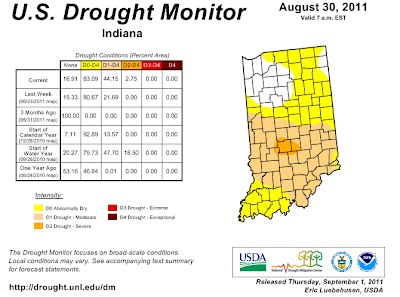
Many in central Indiana are coping again with drought a second year (See drought monitor images for Indiana (current and fall of 2010). While many pockets of Indiana have had sufficient moisture in the second half of summer (including Lafayette)...
Read More

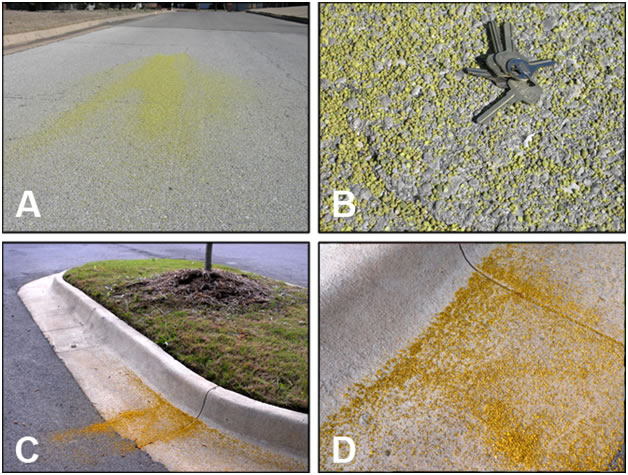
Spilled Fertilizer: Loading and Application

Fertilizer loading Fill spreaders over a hard surface such as a driveway, sidewalk, or other hard concrete or asphalt surface. This will allow easy clean-up if any material is spilled. Fertilizer spills over turf usually result in turf death to...
Read More

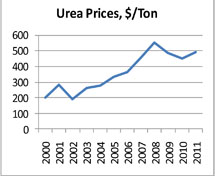
What is Driving Recent Increases in Fertilizer Prices?

Fertilizer prices are on the upswing again, buoyed by the high prices of agricultural products that have stimulated increased demand.  While the general U.S. economy struggles to recover from the financial crisis of 2008, the demand for agricultural products continues...
Read More

Top Ten Turf Tips of 2010

Part II: Summer diseases in Residential Turf Part III: Summer weeds: Common summer weeds and their control Part I: Too hot: Why some turfgrass species look poor in summer Color Variation in Residential and Commercial Lawns Crabgrass Control Now is...
Read More

Late Drought Causing Problems and Questions for Many

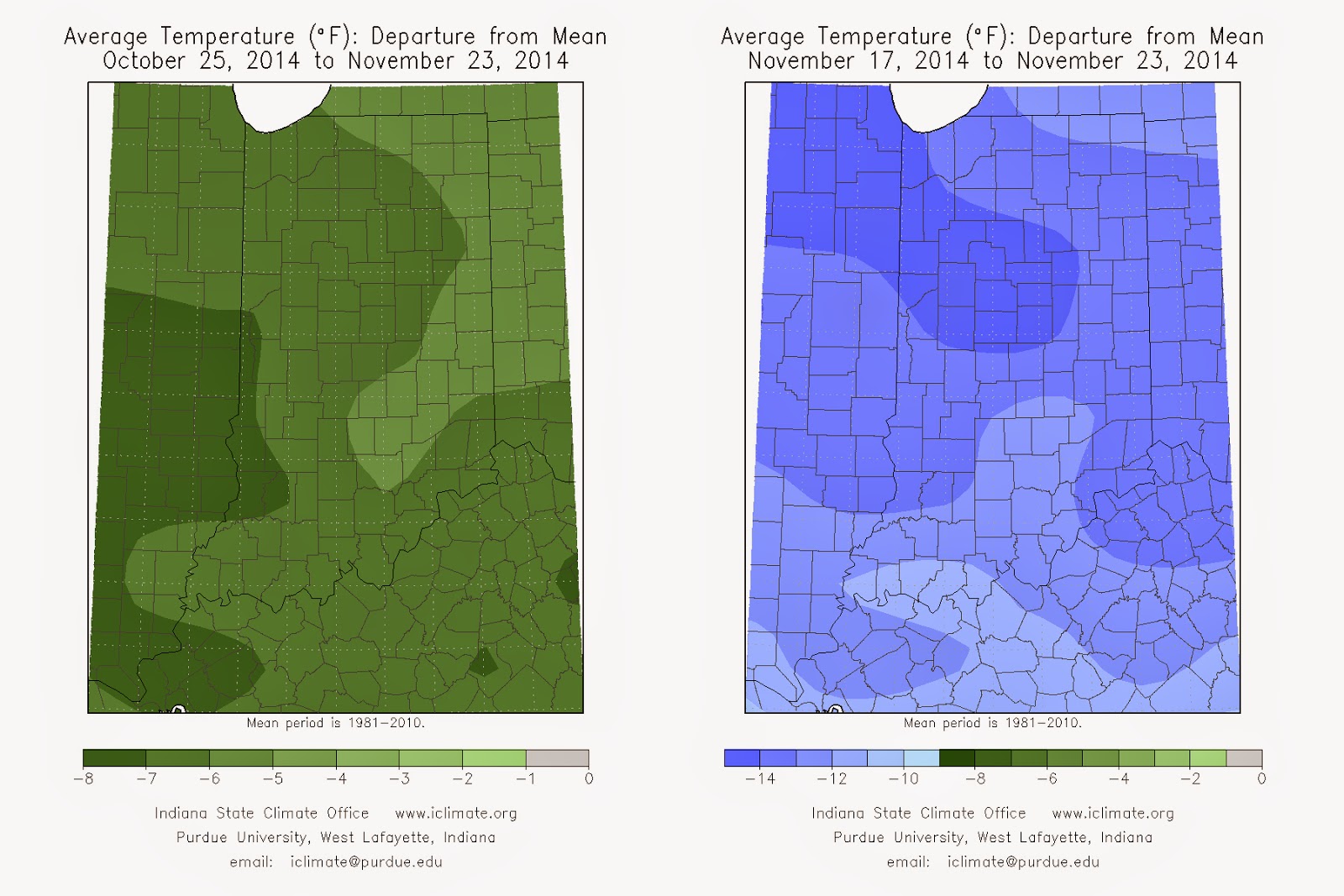
Earlier this fall we made recommendations on how to recuperate lawns after a drought; however, rain has not returned and now we must further adjust our maintenance practices in unirrigated turf areas. The map on the left shows the lack...
Read More

Late Fall fertilization

Cool-season turfgrass species should be fertilized mainly in the autumn. In addition to a fertilization in September, a fertilization with nitrogen in November will help produce a healthy turf. Lawns damaged during summer months as in 2010 and newly seeded...
Read More

Fertilizer Recommendations

The amount of nitrogen fertilizer required by turf depends on various management and environmental/management factors (Table 1). A good rule to follow is to never apply more than 1.0 lb N/1000ft2 in any one application. Do not apply fertilizer more...
Read More

May Fertilization

Although it is generally preferable to fertilize home lawns in the fall, a late May fertilizer application can help the turf retain its color and vigor during the summer. If conservative nitrogen rates are used, fertilizer can be applied in...
Read More

Calculating the pounds of fertilizer to apply

There are literally thousands of fertilizers and fertilizer/pesticide combinations available to homeowners and professionals. Therefore, we can’t recommend how many pounds of a specific fertilizer to apply, but rather we must recommend fertilization rates in pounds of nitrogen per thousand...
Read More

Turf 101: Why does a November application of fertilizer work?

Nitrogen stimulates increased photosynthesis and the extra energy derived from this goes directly into growth, respiration to maintain the plant (similar to humans), or into storage. In early November, the temperature is still adequate for photosynthesis, but cool enough to...
Read More

Professionals Only: Dry weather hampers broadleaf weed control, fertilization

Though we are now in the window for maximum broadleaf weed control and fall fertilization, the dry weather throughout most of the state is hampering applications. Avoid herbicide and/or fertilizer application to drought stressed or dormant turf to limit turf...
Read More

Cool temperatures allow a jump on beneficial fall maintenance practices

The recent record or near record low temperatures combine with adequate soil moisture is advantageous for our cool-season turfgrasses, especially compared to the typical August-September heat and drought. Fall fertilization can begin anytime, especially with rain in the forecast to...
Read More

Summer Mowing and Fertilization

By the time you read these words the longest day of the year has approached and the official calendar “Summer” season will have begun. Just as the weather changes as we transition between seasons from late-Spring to Summer the turfgrass...
Read More

Responsible fertilization of home lawns

A properly fertilized turf has fewer weeds, is more resistant to insects and disease, and decreases water runoff compared to malnourished turf. Concern over the negative effects of nutrient enrichment on water quality is a growing public concern and has...
Read More

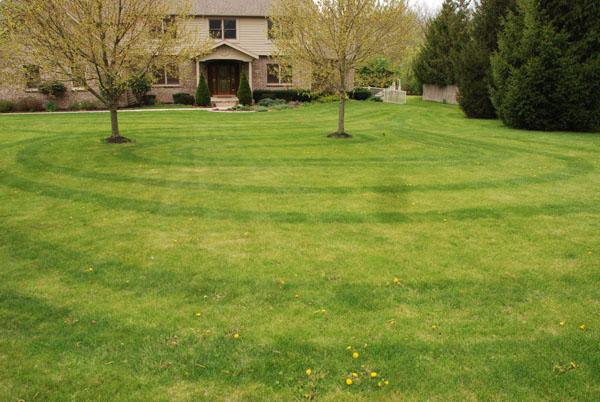
Spacing between passes with a rotary spreader

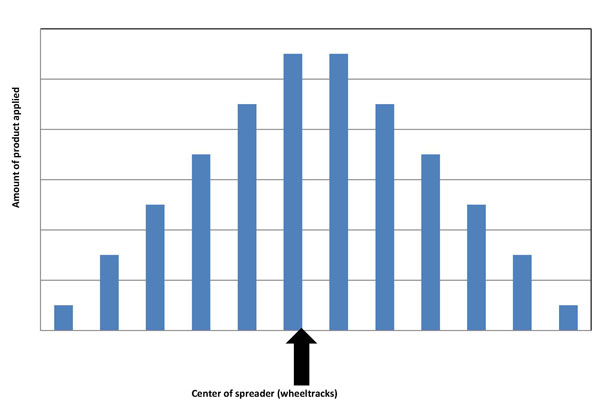
Rotary spreaders are widely used by homeowners and professionals for most applying fertilizers and pesticides. So to test your knowledge, here’s a question that I constantly ask of professionals and do-it-yourselfers when spreading fertilizer back and forth on a turf...
Read More

Turf 101: Limit Spring Fertilization

Many different strategies exist on spring fertilization, but the one fact agreed upon by all turf specialists is to avoid applying heavy nitrogen (N) rates in March or April. Heavy rates would be anything greater than 0.75 lbs of quickly...
Read More

Calculating the pounds of fertilizer to apply

There are literally thousands of fertilizers and fertilizer/pesticide combinations available to homeowners and professionals. Therefore, we can’t recommend how many pounds of a specific fertilizer to apply, but rather we must recommend fertilization rates in pounds of nitrogen per thousand...
Read More