Category: Maintaining a Home Lawn

Gypsum as a soil amendment? Probably not

Garden centers often advertise applying gypsum to your lawn to “decompact” the soil by improving the structure of clay soil. This only works in soils common in the arid western US where there is much more sodium than calcium in...
Read More
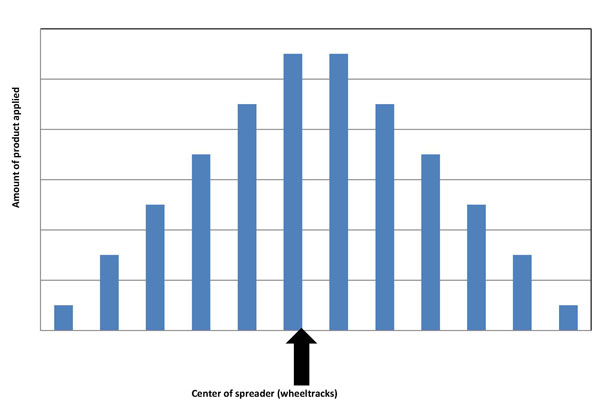
Spacing between passes with a rotary spreader

Rotary spreaders are widely used by homeowners and professionals for most applying fertilizers and pesticides. So to test your knowledge, here’s a question that I constantly ask of professionals and do-it-yourselfers when spreading fertilizer back and forth on a turf...
Read More

Winter damage in cool-season turf

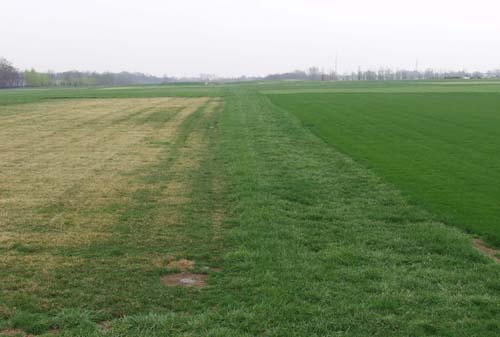
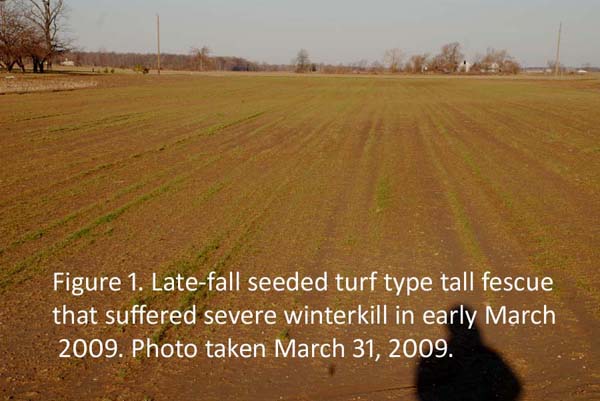
I've gotten a number of calls on winter damage on lawns and other high mowed turf areas. Thankfully this is fairly rare in most winters throughout Indiana. Winterkill can be fairly complex resulting from desiccation with drying winds, freezing of...
Read More

Turf 101: Spring Mowing

Though lawns in southern Indiana may have already been mowed a couple of times, mowing is just starting from Indianapolis north.  Mowing is the most expensive and laborious maintenance practice on turf, but it also has the largest effect on...
Read More

Turf 101: Limit Spring Fertilization

Many different strategies exist on spring fertilization, but the one fact agreed upon by all turf specialists is to avoid applying heavy nitrogen (N) rates in March or April. Heavy rates would be anything greater than 0.75 lbs of quickly...
Read More

Calculating the pounds of fertilizer to apply

There are literally thousands of fertilizers and fertilizer/pesticide combinations available to homeowners and professionals. Therefore, we can’t recommend how many pounds of a specific fertilizer to apply, but rather we must recommend fertilization rates in pounds of nitrogen per thousand...
Read More

Fall Nitrogen Fertilization Benefits All Cool-Season Turfs

All cool-season turfgrasses benefit from fall nitrogen (N) fertilization, regardless if it is a lawn, athletic field, or golf course green, tee or fairway. Normally fertilization should begin in mid-September and continue one or two more times until about mid-November....
Read More

Color Variation in Residential and Commercial Lawns

During spring green-up, home lawns may reveal many variations in color, growth rate, and leaf width. This variation can be due to some of the following reasons: Species and cultivars:  Perennial ryegrass is always the first of the desired cool-season...
Read More

Time is running out for spring seeding

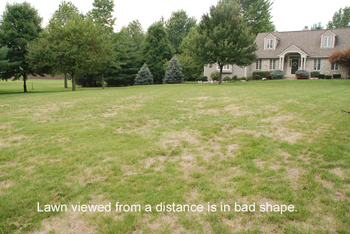
As lawns are greening up, many calls are coming in about damage left over from last summer or perhaps even winter damage. Unfortunately, spring seeding is difficult at best because of pending hot weather and/or weed and disease pressure. Late...
Read More

Regenerating Fall Use Athletic Fields

With the fairly wet weather last fall, football and soccer fields have taken a beating.  The fields that were aggressively aerified, fertilized, and dormant-seeded last fall should improve dramatically by mid-May. Though improvement won’t be as efficient done now compared...
Read More

Searching for the no-mow” lawn grasses?

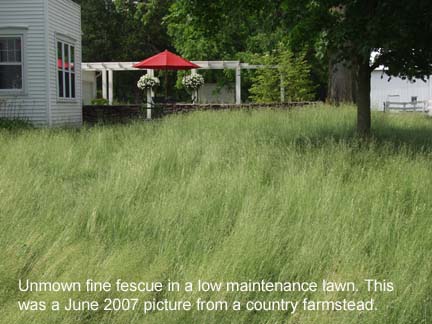
Most turfgrasses have leaves that only live for 30-60 days and thus constant growth is require to maintain ground cover, especially with any pets, children, or other traffic. The Holy Grail of “no-mow” turf is unlikely because the turf stand...
Read More

Winter/spring flood damage on turf

After widespread flooding, many question how well turf will survive. Turf injury from flooding depends on water temperature, species, duration of submergence, and depth of submergence. Turfgrasses can withstand submersion for up to 60 days when water temperatures are 50...
Read More

Nitrogen and Phosphorus: fertilizing lawns to protect water quality

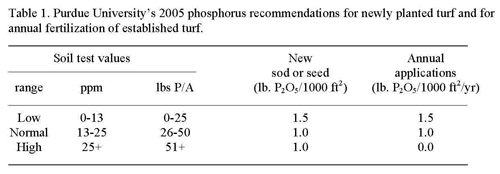
Healthy turf areas provide many environmental and recreational benefits. A properly fertilized turf has fewer weeds, is more resistant to insect feeding and is less disease prone than malnourished turf. Furthermore, a dense turf slow and decreases water runoff following...
Read More

Do it yourself: Searching for that low maintenance lawn?

We get a ton of calls and email inquiring about low maintenance lawns. Simply put, there are no silver bullet grass species that are low maintenance and will also survive summers and winters in IN. That being said, hiring professionals...
Read More

November fertilization is critical for turf performance next year

A November application of fertilizer is extremely important to keep your lawn healthy and looking good this fall and next year. Late fall N promotes good root development, enhances storage of energy reserves, and extends color retention this fall. Most...
Read More

Keep Mowing to Mulch Those Tree Leaves!

The trees are dropping their leaves and it is important to prevent a heavy layer of leaves from building-up on your turf before winter.  Heavy layers of tree leaves will shade the grass can smother and kill grass yet this...
Read More

Winterizer Fertilizers?

Currently advertised on television and in home improvement stores are “winterizer” fertilizers. There’s good and bad about winterizer fertilizers. It’s good that they are emphasizing fall and late fall fertilizer. These fertilizers usually contain the same amount of potassium as...
Read More

Renovating Turf: Just fertilize? Add seed? Start Over?

Now that cooler temperatures and at least a little rain is back, it’s critical to help turf recover. Though we’re out of the optimum seeding window in the northern 2/3rds of Indiana, most effective recovery will be through fertilizing with...
Read More

Renovating Turf: How long should I wait to seed after a glyphosate (Roundup) application?

I have received a number of email questioning the wait for seeding after glyphosate applications. Glyphosate has no soil activity and will therefore not affect seedlings when seeded even the same day of application. However, for maximum control of tough-to-control...
Read More

Fertilization: Do it right and protect the environment

Though much research over the years has shown that when fertilizer is applied properly to turf, it does not leach or runoff. The key to this is proper application as careless applications can cause problems. Following is a quick list...
Read More