Category: Maintaining a Home Lawn

Postemergence Crabgrass Control

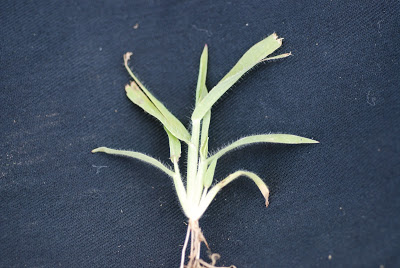
As crabgrass grows larger and larger this spring into summer, you’ll need to know just how big it is before selecting the right product for postemergence control. Read my recent article to turf professionals at Turf Republic: Just How Big is Your Crabgrass?       For homeowners, look for products that contain quinclorac such…Read more about Postemergence Crabgrass Control[Read More]


Rain, Rain Go Away?

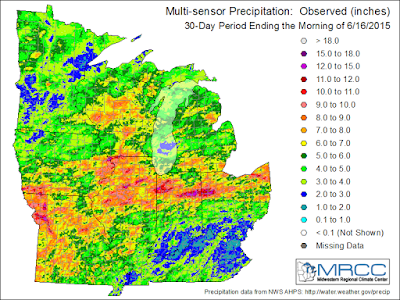
There are a lot of wet areas out there right now as pockets of Indiana have received more than double their monthly expected rainfall. Rain is a good thing but as we know it is possible to have too much of a good thing. Saturated soils reduce turf health and cause issues related to mowing…Read more about Rain, Rain Go Away?[Read More]


Is it Safe to Aerify after Applying a Preemergence Herbicide?

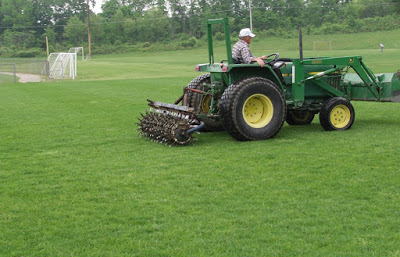
It is not uncommon for me to receive questions regarding whether it is OK to aerify an area when you’ve already applied a preemergence herbicide to control crabgrass. Will aerifying break the herbicide barrier and reduce my crabgrass control? The answer to this and more can be found here in a recent post I wrote…Read more about Is it Safe to Aerify after Applying a Preemergence Herbicide?[Read More]


How to Keep Turf Areas Around Sidewalks From Failing

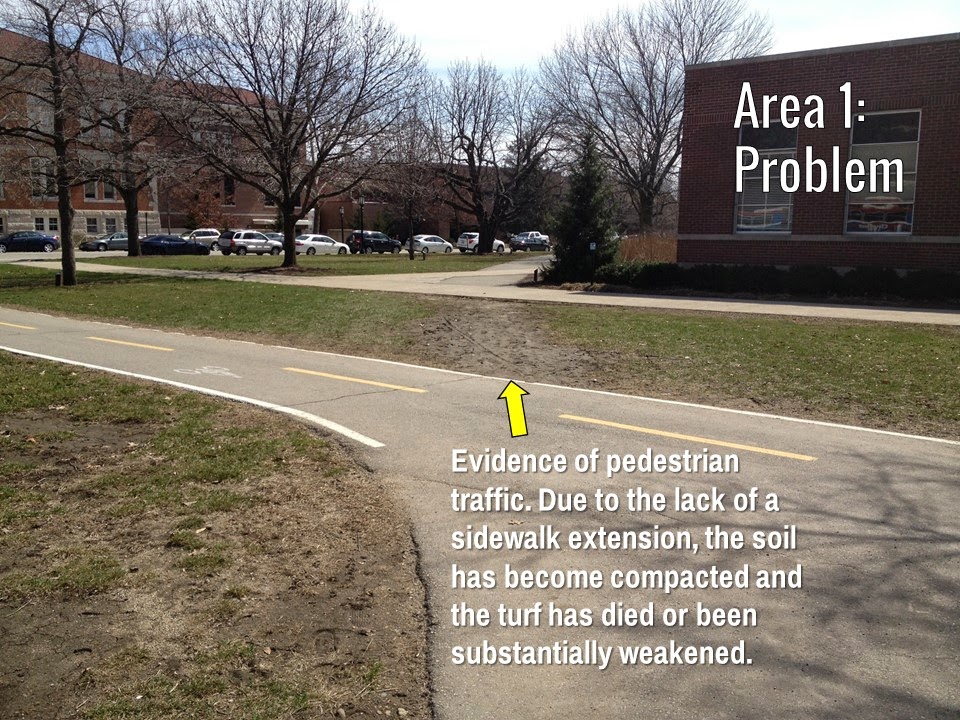
Last year I posted a turf tip on why it is so difficult to manage turf around sidewalks and driveways. I encourage you to read that post (Weed Management Next to Sidewalks and Driveways) as it provides recommendations for weed control, etc. in these areas as well as how to prevent weeds and encourage healthier…Read more about How to Keep Turf Areas Around Sidewalks From Failing[Read More]


Is it Too Late to Apply My Last Nitrogen Fertilization?

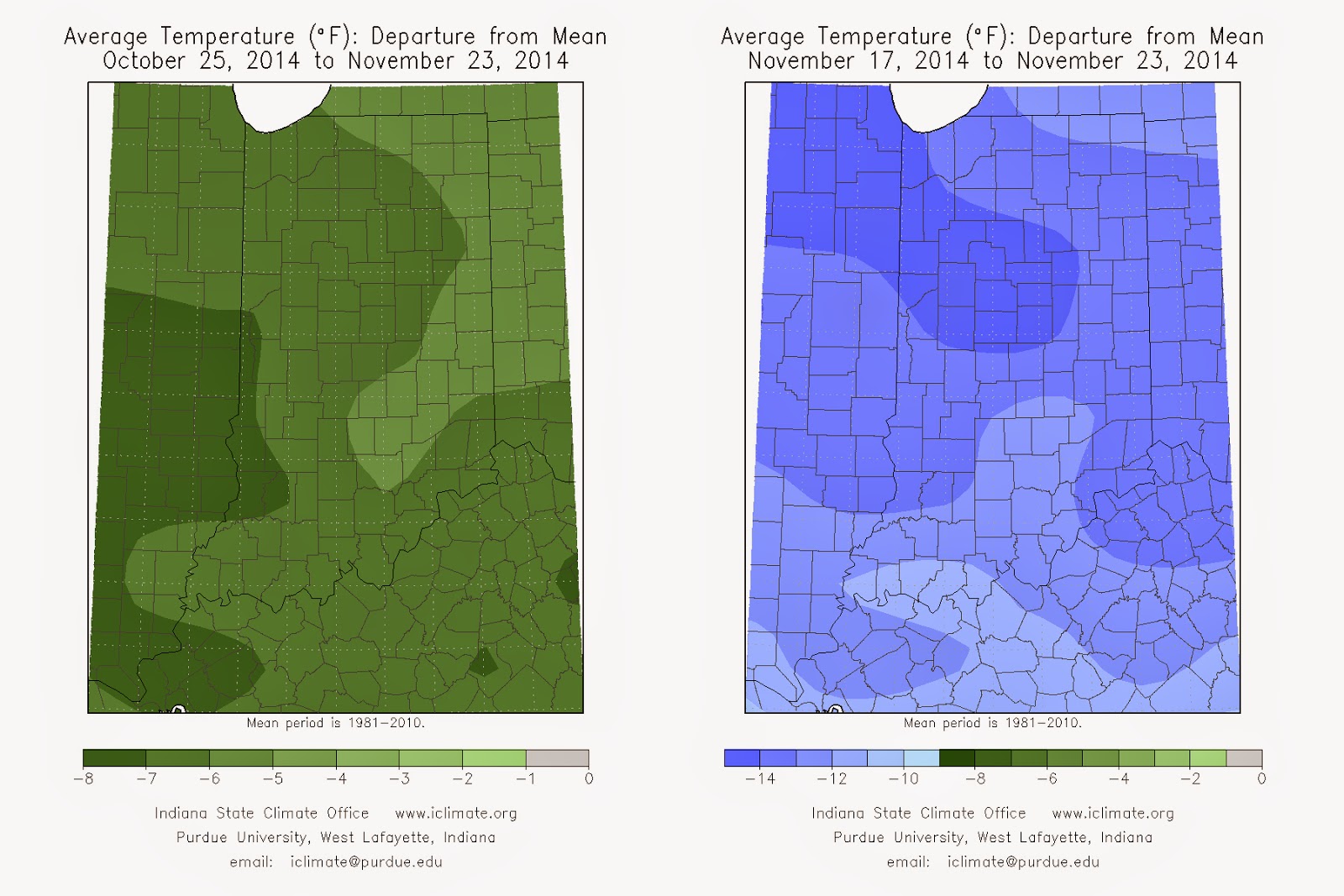
Fall is an important time to fertilizer our cool-season turfgrasses. Fall nitrogen promotes good root development, enhances storage of energy reserves, and extends color retention in cool-season lawns. Most of the benefits from late fall nitrogen will be seen next spring and summer with earlier green-up, improved turf density, and improved tolerance to spring diseases…Read more about Is it Too Late to Apply My Last Nitrogen Fertilization?[Read More]


Read the Label! A Hard Lesson Learned

I was recently forwarded a video from one of our Extension educators in Vanderburgh County, Larry Caplan, that I thought I would share with you. The video chronicles the “misadventures” of a homeowner who simply wanted to control the weeds in his lawn. It should be a reminder to all of us to read the…Read more about Read the Label! A Hard Lesson Learned[Read More]


My Lawn is Brown and Crunchy… Is it Dead? What do I do now?

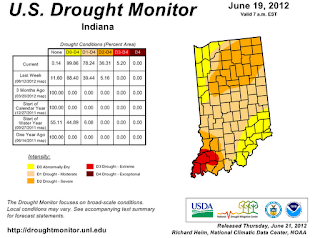
  The first day of summer/longest day of the year for 2012 has come and gone and just this past week a new National Drought Monitor Map was published (see below).  The city of West Lafayette in Tippecanoe County has now fallen into the “Severe Drought” category. In fact 36% of Indiana is now in…Read more about My Lawn is Brown and Crunchy… Is it Dead? What do I do now?[Read More]


Unwinter, Poa seedheads and Growing Degree Days, Oh MY!!!

As the “un-winter of 2011-2012” rapidly winds to a close golf course managers are already bringing their playing surfaces into peak form. For those managing putting surfaces containing annual bluegrass (Poa annua) this means addressing concerns that seedheads are affecting surface smoothness. With the lack of snow cover this past winter, the seedhead season is…Read more about Unwinter, Poa seedheads and Growing Degree Days, Oh MY!!![Read More]


Making Adjustments to Your Fertilizer Program

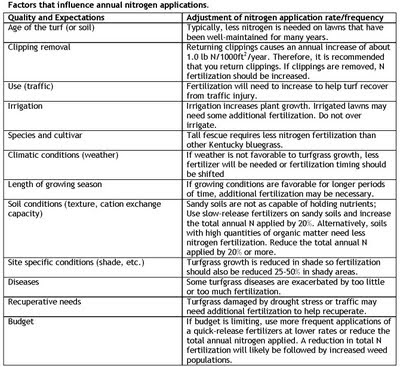
Although the Purdue University Turf Program publishes information about how to fertilize your turf with nitrogen (N)-based fertilizers including standard rates and timings, there are many factors that influence these rates and timings. It is important that each turf area be fertilized according to its needs. For example, some areas require more nitrogen fertilization because…Read more about Making Adjustments to Your Fertilizer Program[Read More]


Fall Fertilization

Cool-season turfgrass species should be fertilized mainly in the autumn. September and November are the two best times to fertilize a lawn in Indiana. Fall nitrogen promotes good root development, enhances storage of energy reserves, and extends color retention in cool-season lawns. Most of the benefits from late fall nitrogen will be seen next spring…Read more about Fall Fertilization[Read More]


Staying Dry

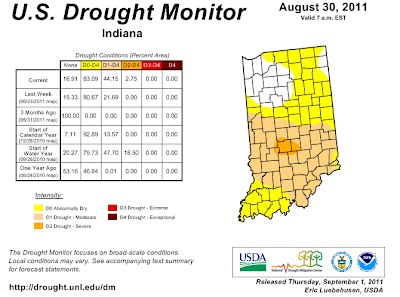
Many in central Indiana are coping again with drought a second year (See drought monitor images for Indiana (current and fall of 2010). While many pockets of Indiana have had sufficient moisture in the second half of summer (including Lafayette) others are facing dry conditions for a second year in a row.     September…Read more about Staying Dry[Read More]


Turf: Dead or Alive?

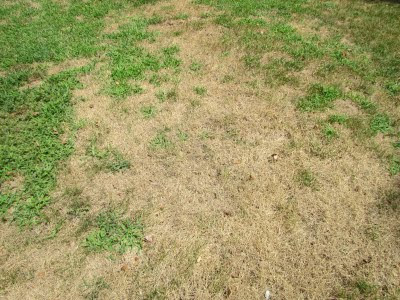
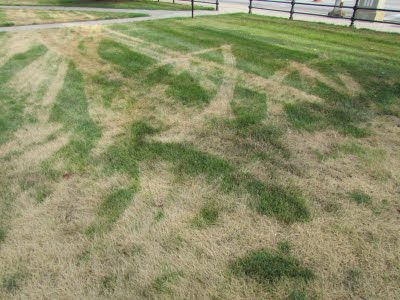
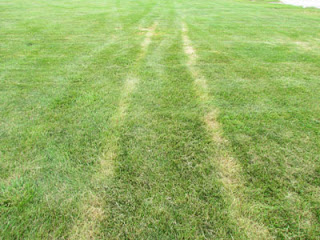
Many areas in Indiana have received recent rains to their lawns. Some lawns have greened-up and others are still brown leaving many wondering whether their lawns are dead or alive. Below are some images that illustrate the process of determining whether or not your lawn is dead or alive. Step 1. In an area of…Read more about Turf: Dead or Alive?[Read More]


Water Restrictions and Managing Turf During Drought

For those in the Indianapolis area, customers of the Department of Waterworks – City of Indianapolis are “asking residential and business customers to not water lawns through Friday, July 29 in the wake of continued lack of rain, high heat, and high water consumption”. The request is voluntary – initially requested on Wednesday, July 20…Read more about Water Restrictions and Managing Turf During Drought[Read More]


The Heat is On!

Extreme heat is stressing turf areas quickly! High temperatures cause turf decline There are many causes of turf decline in the summer, but three primary physiological causes are 1) low photosynthesis rates at high temperatures, 2) lack of sufficient moisture, and 3) photorespiration. Photorespiration occurs instead of photosynthesis at temperatures above 87 °F causing cool-season…Read more about The Heat is On![Read More]


Drought Damage on Zoysiagrass Lawns

Last summer and fall we experienced some widespread drought throughout the state which we documented with turf tips in July, September, and November as well as tips on reestablishment this March (click here for an archive of these tips). Most were uncertain as to what the extent of the damage would be until the turf…Read more about Drought Damage on Zoysiagrass Lawns[Read More]


Small Moving Specks on the Windowsill?

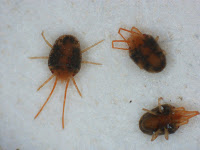
No you are not imagining this. The specks are actually moving. That is because they are actually tiny mites called clover mites. Clover mites can become annoying household pests, especially in and around homes where new lawns have recently been established or where there’s a heavy growth of well-fertilized grass close to foundation walls. They…Read more about Small Moving Specks on the Windowsill?[Read More]


Spilled Fertilizer: Loading and Application

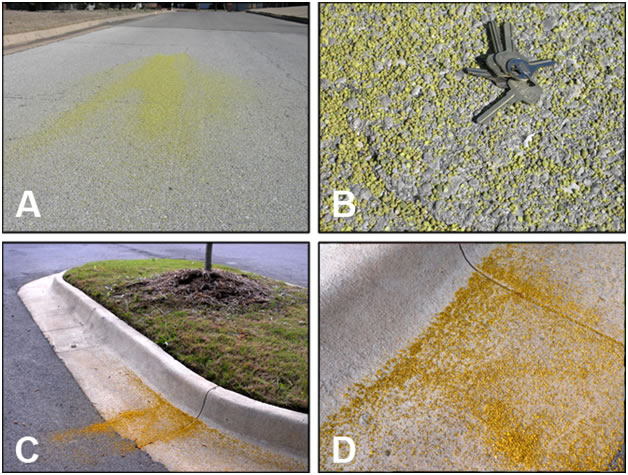
Fertilizer loading Fill spreaders over a hard surface such as a driveway, sidewalk, or other hard concrete or asphalt surface. This will allow easy clean-up if any material is spilled. Fertilizer spills over turf usually result in turf death to the affected spot. If product is spilled during loading (A), clean-up the material immediately by…Read more about Spilled Fertilizer: Loading and Application[Read More]


Page last modified: April 15, 2019

Turfgrass Science at Purdue University - Horticulture & Landscape Architecture, 625 Agriculture Mall, West Lafayette, IN 47907

© 2026 Purdue UniversityAn equal access/equal opportunity universityCopyright ComplaintsMaintained by Turfgrass Science at Purdue University

If you have trouble accessing this page because of a disability, please contact Turfgrass Science at Purdue University at kkalbaug@purdue.eduAccessibility Resources