Category: Weed Control

Spring Beauty and Star-of-Bethlehem

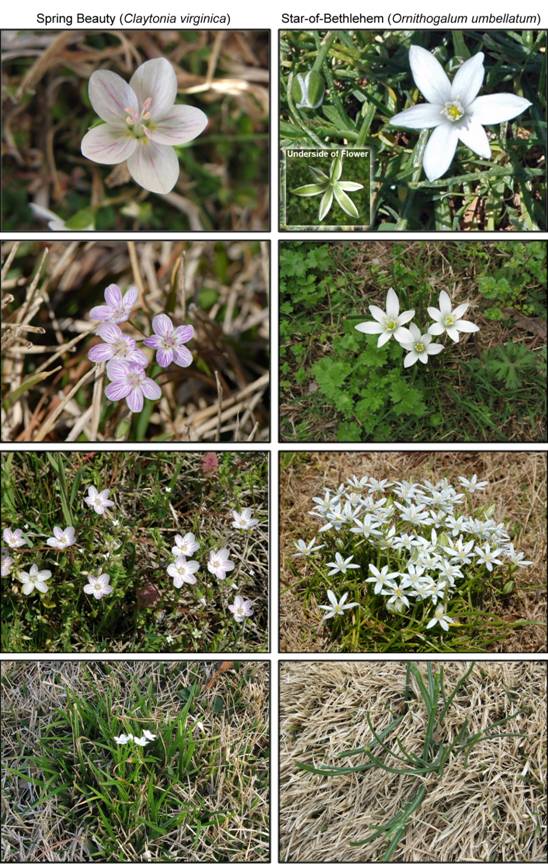
Both spring beauty (Claytonia virginica) and star-of-bethlehem (Ornithogalum umbellatum) are spring flowering weeds that are similar in appearance and sometimes problematic in lawns. Below is a comparison of the two species including control recommendations for both turf professionals and homeowners....
Read More
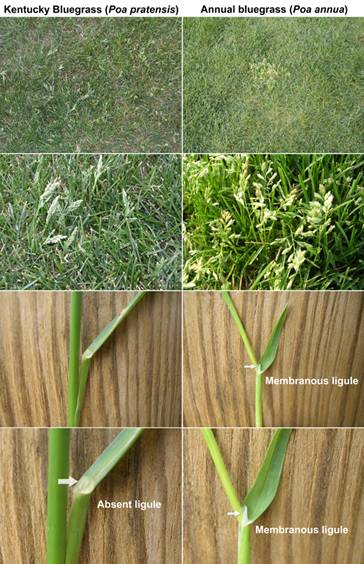
To whom does this seedhead belong?

Kentucky bluegrass (Poa pratensis) is beginning to produce seedheads this time of year which are difficult to mow and can cause a lawn to appear uneven. However, there are other grasses such as annual bluegrass (Poa annua) that also produce...
Read More

What’s that brown spot: Nimblewill in lawns

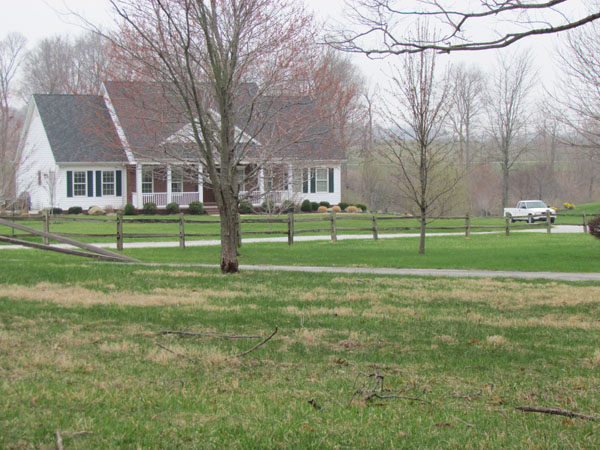
Nimblewill (Muhlenbergia schreberi) is a weed that thin patches in lawns. Since nimblewill is a warm-season grass, it will turn brown at the first frost and is very slow to green-up in the spring. The brown patches seen in lawns...
Read More

Part III: Controlling broadleaf weeds in newly seeded areas

This turf tip is part of a three part series on spring seeding. Most turfgrass herbicides are intended for use on established grasses. Thus, herbicide use on newly planted grasses should be very conservative. If possible, wait until the grass...
Read More

Rejuvenating Turf in 2011: Part II

Part II: Preemergence and postemergence herbicides for crabgrass control in newly seeded areas This turf tip is part of a three part series on spring seeding. Early spring preemergence herbicides are often necessary in Indiana to prevent troublesome annual grassy...
Read More

Top Ten Turf Tips of 2010

Part II: Summer diseases in Residential Turf Part III: Summer weeds: Common summer weeds and their control Part I: Too hot: Why some turfgrass species look poor in summer Color Variation in Residential and Commercial Lawns Crabgrass Control Now is...
Read More

How late is too late to control broadleaf weeds?

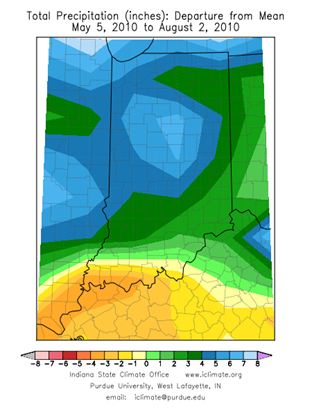
Due to the current drought conditions for many in Indiana we have recommended holding off on herbicide applications until rain returns to drought stressed turf. Herbicides are most effective on weeds that are not drought-stressed and herbicides can be damaging...
Read More

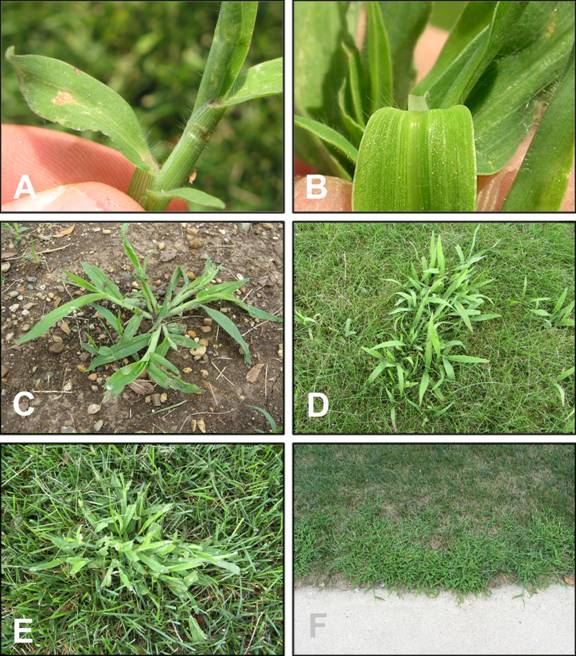
Crabgrass

Crabgrass is running rampant this year as the hot summer and more than adequate rainfall has helped to push this beast of a weed along. Crabgrass is a warm-season annual grass meaning that it thrives under hot and moist conditions....
Read More

Summer Stress

With a warm and wet summer, we are experiencing decline in some of our turf around the state due to temperatures, disease, insects, and weeds. In response, we are publishing a four part series on this topic to help turfgrass...
Read More

Dandelion Control

Dandelions are one of the most common weeds of maintained turf because they can tolerate a wide variety of soils and environmental conditions. The best time to control dandelions or other broadleaf weeds is in the fall. Mid-spring is also...
Read More

Crabgrass Control

In a few weeks, it will be time to apply preemergence herbicides for controlling crabgrass. Crabgrass germination starts in early May, or when soil temperatures are approximately 50 to 55 degrees Fahrenheit. Once germination occurs, the weeds are difficult to...
Read More

Professionals Only: Premergence herbicide strategies

As spring is closing in, we are fielding a number of questions four major questions right now: Which preemergence herbide to use? That one is pretty easy. We have only three active ingredients relatively easily available and they are dithiopyr,...
Read More

Choosing a Preemergence Herbicide

There are many, many formulations and combinations of preemergence herbicides available for the professional. Following are some suggestions for purchasing and using preemergence herbicides. Control from every preemergence herbicide can vary from year to year, or location to location. Therefore,...
Read More

Professionals Only: Dry weather hampers broadleaf weed control, fertilization

Though we are now in the window for maximum broadleaf weed control and fall fertilization, the dry weather throughout most of the state is hampering applications. Avoid herbicide and/or fertilizer application to drought stressed or dormant turf to limit turf...
Read More

Controlling escaped fountaingrass in a lawn.

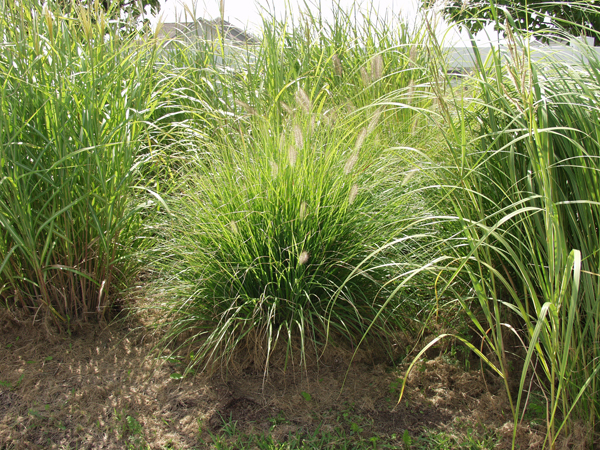
Fountain grass and other ornamental grasses have added tremendously to landscapes of homes, commercial sites, and golf courses. However, we are now seeing some of these grasses escape from the ornamental beds into the turf. One in particular is fountain...
Read More

Cool temperatures allow a jump on beneficial fall maintenance practices

The recent record or near record low temperatures combine with adequate soil moisture is advantageous for our cool-season turfgrasses, especially compared to the typical August-September heat and drought. Fall fertilization can begin anytime, especially with rain in the forecast to...
Read More

For professionals: Avoid late summer weed control

Though this summer has been pretty kind for our cool-season grasses, a number of weeds may be at high enough populations to become problematic. With temperatures forecast in the high 80’s or 90’s for the next week, it is probably...
Read More

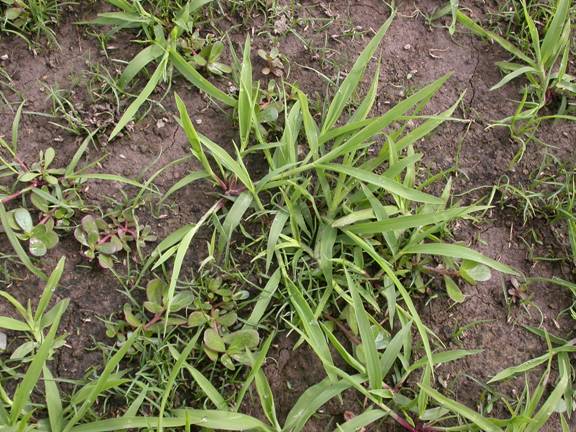
Goosegrass control is difficult in sports and golf turf

Goosegrass is a warm-season annual very similar to crabgrass, but germinates later than crabgrass and is tougher to control with both pre- and postemergence herbicides. It is most common in compacted, heavily used, poorly drained, and/or thinned turf, so cultural...
Read More

For professionals only: Solitare herbicide now labeled for Indiana

FMC’s Solitare 75WG received its federal and state label for Indiana in June and is should be available from your professional product distributors. Solitare is a combination of sulfentrazone (Dismiss) and quinclorac (Drive and others) and should provide control of...
Read More

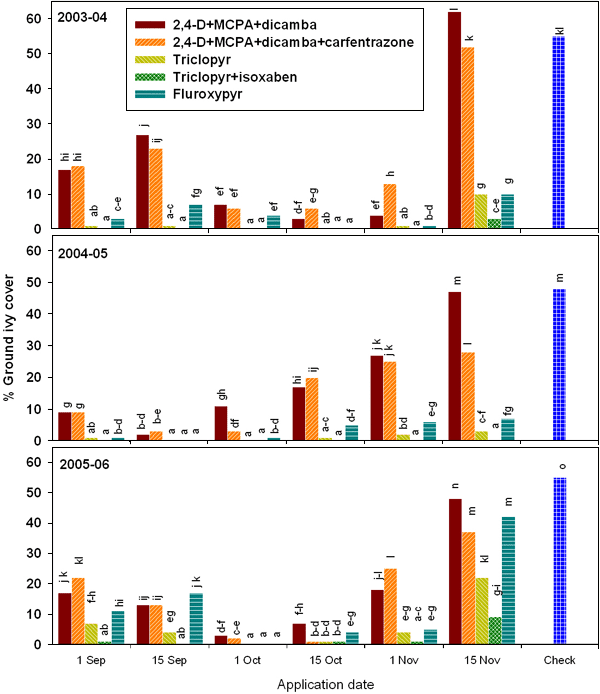
Controlling ground ivy and/or violets

As lawns start to thin from summer heat, ground ivy and violets begin to overtake the turf especially insahded areas.  These two weeds remain tough to control in Indiana. Even though applications now can produce visible damage, long-term control does...
Read More