Category: Weed Control

Attempting Ground Ivy Control

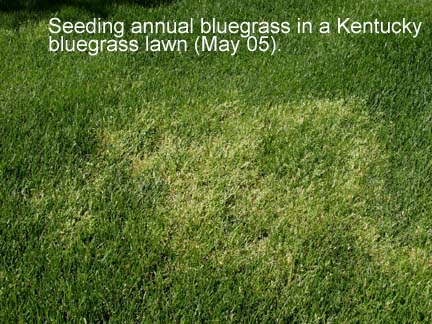
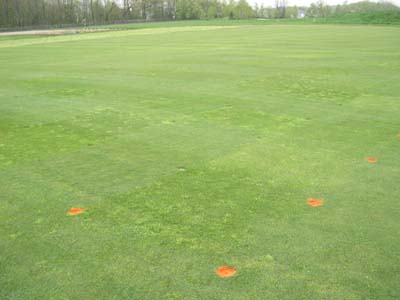
Ground ivy remains one of our toughest weeds to control. Following is our recommendation for maximizing control, based on experience and seven years of research: 1. Mow at 3” or higher. 2. Remove as much of the shade as possible....
Read More
Spring Dandelion Control Still Not as Effective as Fall Control

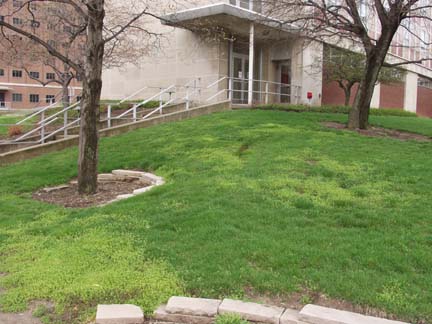
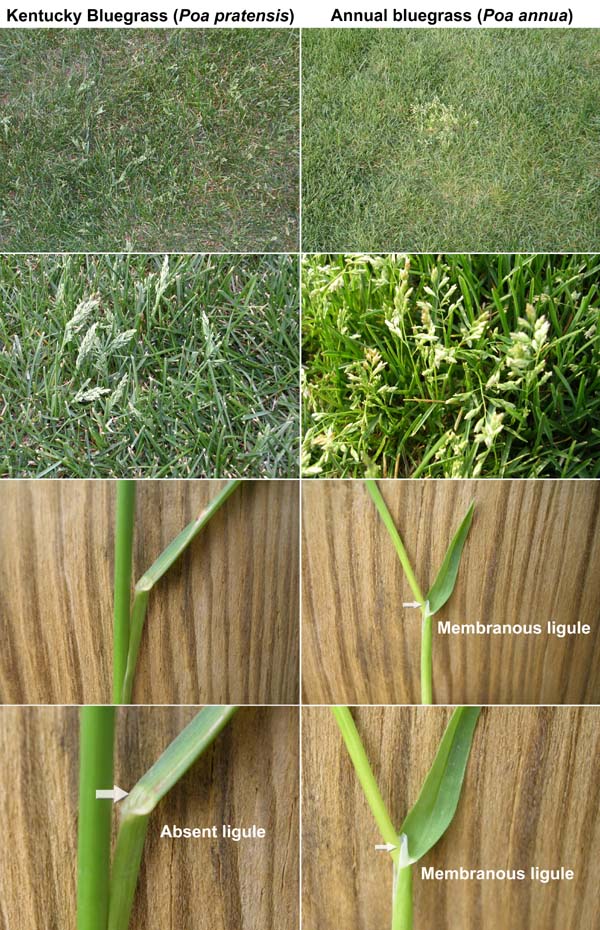
The annual bloom of dandelions is already here in southern and central Indiana. This marks the beginning of the second most effective period for controlling broadleaf weeds. The optimum time to control dandelions and other broadleaf weeds is in the...
Read More

Common Chickweed in New Seedlings

Common chickweed is currently dominating any fall- or dormant-seedings (including my lawn). Common chickweed is a winter annual, so it germinated last fall, grew well into December and is starting to spread with the temperatures this weekend (see accompanying photos)....
Read More

Spring Weed Control or Seeding?

With last year’s brutal summer and early fall, many areas are in need of reseeding. The question comes up about seeding and weed control: should the weeds be controlled first or should the seeding be done first? This seems like...
Read More

Herbicide Delays after Seeding

Almost all herbicides will affect turfgrass seedlings and application delays are usually needed following seeding. Following is information gleaned from available labels of most herbicides or herbicide types that would be used in Indiana. This is intended to provide a...
Read More

Timing of Preemergence Herbicides

If a preemergence herbicide is justified on a turf area, the timing of application is important. In theory, applying too early will expose the herbicide to soil microbes and processes in the soil that may break it down, allowing crabgrass...
Read More

Choose Preemergence herbicides with as Little N as Possible

If a preemergence herbicide is justified on your lawn to control crabgrass now, most of those are available combined with fertilizer and you are forced to apply a fertilizer now. Look for a product with low nitrogen and be sure...
Read More

Now is the Time to Control Dandelions

Those dandelions, clover, and other broadleaf weeds that were a problem all summer should be controlled this fall. The period from late September through October is the ideal time to control broadleaf weeds in turfgrass because broadleaf weeds are most...
Read More

Turf 101: Why are broadleaf herbicides more effective in the fall than spring?

Late September through October is the best time to control weeds like dandelion, clover, and chickweed with an application of a broadleaf weed herbicide. Broadleaf weed herbicides are systemic and move through the plant in the phloem, which also transports...
Read More

No Rush on Broadleaf Weed Applications

After the rains have returned, broadleaf weed herbicides should become effective. However, don’t be in too much of a rush to apply because our data suggests that better control is obtained with October applications in than in September. We found...
Read More

Controlling Sandbur

The dry summer allowed sandbur to get a competitive edge over the other lawn grasses on the sandy soils in northern Indiana. Most people don’t realize they have sandbur in their lawn until they come into painful contact with it,...
Read More

Banner Year for Crabgrass and Nutsedge

With the heat and humidity of this summer, our cool-season grasses continue to thin making it one of the better years in recent memory for crabgrass and nutsedge. In Lafayette, we’ve had 50 days of temperatures higher than 85F, 18...
Read More

Overseeding creeping bentgrass into thinning Poa annua

Dry and hot conditions may unfortunately favor early exit of Poa annua from golf turf. However, there is a silver lining to this. Rutgers reported that overseeding creeping bentgrass directly into a Poa stand in summer is effective for gradual...
Read More

Velocity for Poa annua control….Potential and Precautions

Velocity (byspribac) was registered for Poa annua control in creeping bentgrass last November, so this is the first summer of potential widespread use. As with all new pesticides, we’ll learn more of the finer details as we use it. We...
Read More

Quicksilver Receives 24C Registration for Moss on Greens in Indiana

FMC’s QuickSilver T&O herbicide has just received special local 24(c) registration for control of silvery thread moss in putting greens in Indiana. Though Quicksilver (carfentrazone) is used widely as a quick knockdown contact broadleaf herbicide, it has good efficacy on...
Read More

Which is it, Annual Bluegrass or Kentucky Bluegrass?

Kentucky bluegrass is currently producing seedheads that are difficult to mow and create an uneven appearance. However, annual bluegrass (Poa annua) is also producing similar looking seedheads. It’s important to distinguish the two because Kentucky bluegrass is highly desirable in...
Read More

Annual bluegrass (Poa annua) in Full Bloom in Lawns and Athletic Fields

Annual bluegrass is now very common in lawns and athletic fields, though it has been a problem on golf courses for years. Annual bluegrass is a lighter green than Kentucky bluegrass and perennial ryegrass, and will thin and die during...
Read More

Bentgrass Species and Cultivar Selection Impacts Annual Bluegrass Invasion in Renovated Bentgrass Fairways

Along with the warmer spring temperatures two things are certain; crabgrass will eventually germinate and annual bluegrass will profusely flower. For anyone managing bentgrass fairways or considering a bentgrass fairway renovation some of our recent research results will be of...
Read More

Time is Running Out for Preemergence Control of Crabgrass

The below average temperatures the last few days has delayed crabgrass germination and thus premergence annual grass herbicides should still be effective if applied this week in the northern half to 2/3rds of the state. Most of the preemergence herbicides...
Read More

Watch for Breakthrough from Early Preemergence Herbicide Applications

The extremely dry spring may reduce the effectiveness of preemergence herbicides. The products must be watered-in or rained-in to move them below the canopy and down to the soil where they will be effective. Herbicides not watered-in may also photodegrade...
Read More