Tag: Homeowner

Don’t Give Up Yet, November Fertilization is Critical

A November application of fertilizer is extremely important to keep your lawn healthy and looking good this fall and next year. Late fall N promotes good root development, enhances storage of energy reserves, and extends color retention this fall. Most...
Read More
How late can you seed?

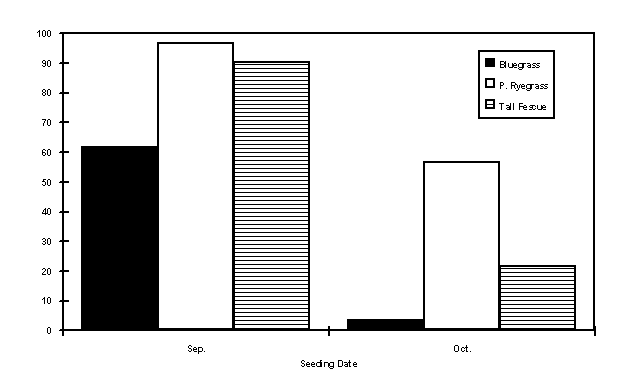
We are out of the optimum window for seeding turfgrasses in Indiana. However, many are still hoping to seed. Following is a summary of our studies in the early 90’s on seeding at less than optimum times of the year....
Read More

Keep Mowing to Mulch Those Tree Leaves!

The trees are dropping their leaves and it is important to prevent a heavy layer of leaves from building-up on your turf before winter. Heavy layers of tree leaves will shade the grass can smother and kill grass yet this...
Read More

Broadleaf Control Improves Later in Fall

We found that herbicides applied from October 1 through November 1 improved long-term ground ivy control compared to the same herbicides applied in September. Our speculation is that weeds are killed either directly by the herbicide when applied later in...
Read More

MRTF Golf Day at Coyote Crossing on Oct. 12

Openings are still available for the MRTF Golf Day on Oct 12 at the Hale Irwin-designed Coyote Crossing Golf Club in West Lafayette. This is the eighth annual event held to promote turfgrass research, raise awareness of the Purdue Turfgrass...
Read More

Helping Fall-use Athletic Fields

Fall use athletic fields are taking a beating right now. To help those fields, fertilizing aggressively with 1.0 lb N in September and again in October will help. Fertilizing is the most inexpensive but effective way to improve any sports...
Read More

Open Season on Dandelions, Clover, and Other Broadleaf Weeds

Those dandelions, clover, and other broadleaf weeds that were a problem all summer should be controlled this fall. The period from late September through all of October is the ideal time to control broadleaf weeds in turfgrass because broadleaf weeds...
Read More

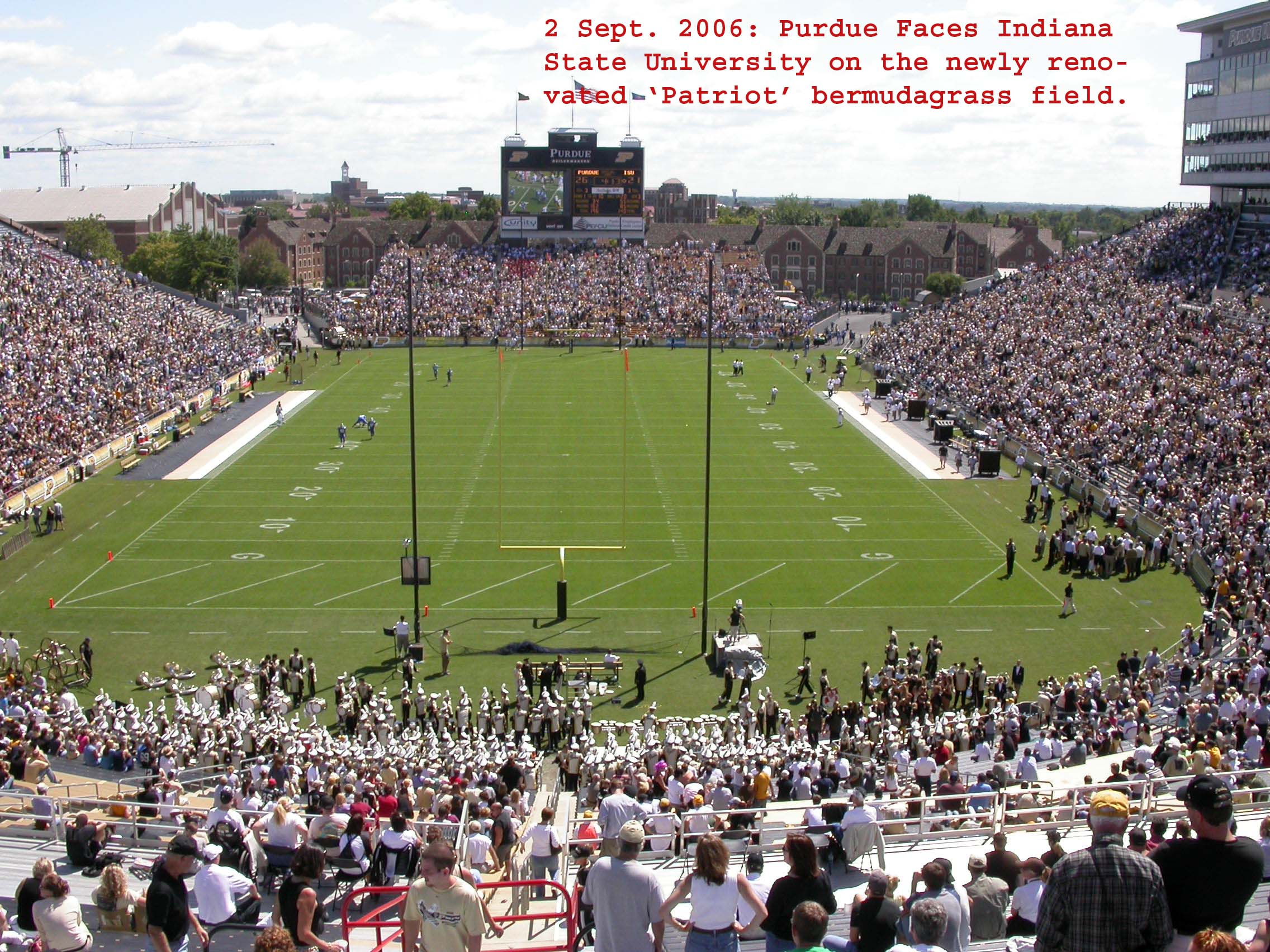
New Era begins for Ross-Ade stadium turf

The Purdue Boilermaker’s 60-35 win this past Saturday was not only the first test for the football program but also the first real test and a historic milestone for Purdue’s newly renovated field. The beginning of this season marks a...
Read More

Crabgrass Problem Revisited

The tremendous crabgrass pressure mentioned in earlier Turf Tips deserves more attention and the most common question is “Why is it so bad this year?”. The obvious answer to this is the above average heat and humidity during July increased...
Read More

Why New Lawns Fail?

It is increasingly common for newly-established lawns to thin or completely fail within a year. There are many reasons for this to occur but here are my top ten: 1. Poor soil - heavy clay in today’s subdivisions is not...
Read More

Funny Colors in Your Turf?

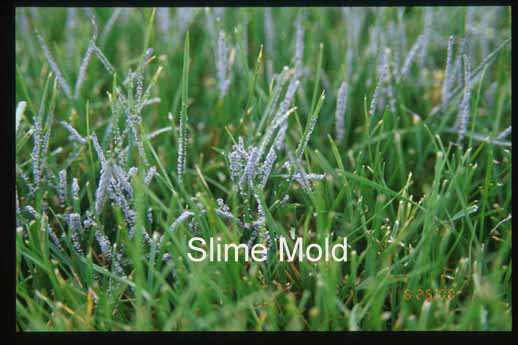
From the parts of the state with adequate rainfall, we have received reports of turf with white, black, gray, red, orange, purple, and or rust-colored powder (see photo). This is slime mold, a fungus-like organism that often occurs during prolonged...
Read More

Now is the Time to Seed Cool-Season Turf

Late summer is the best time to establish Kentucky bluegrass, creeping bentgrass, tall fescue, and perennial ryegrass from seed. Between August 15 and September 15 is optimum seeding time in the northern half of Indiana, from September 1 to September...
Read More

Gray Leaf Spot Update

There have been several reports of gray leaf spot outbreaks throughout Indiana and the lower Midwest during the past two weeks. The disease will develop over a broad range of environmental conditions (not just hot and wet). Our research results...
Read More

Turf Field Day Held July 18

Thanks to everyone who attended and helped make the 2006 Midwest Regional Turf Field Day a success on Tuesday, July 18. A hot steamy morning with thankfully a brisk breeze greeted the almost 650 attendees. Attendees had the opportunity to...
Read More

Overseeding creeping bentgrass into thinning Poa annua

The recent heat may unfortunately favor early exit of Poa annua from golf turf. However, there is a silver lining to this. Rutgers reported that overseeding creeping bentgrass directly into a Poa stand in summer is effective for gradual conversion...
Read More

Summer stress of Poa annua and Poa trivialis in Lawns and Sports Fields

Persistent air temperatures of 90F and soil temperatures greater than 80F combine with high humidity and adequate rainfall (in some areas) is also doing in the Poa annua (annual bluegrass) and Poa trivialis (rough bluegrass)on lawns and athletic fields. Patches...
Read More

Bumper Crop of Crabgrass and Yellow Nutsedge

The rain and 90F temperatures have boosted the growth of both crabgrass and yellow nutsedge in the last week or two. Unfortunately, our options for control of either weed are becoming limited. Plus the hot temperatures increase the risk for...
Read More

Brown Patches in Lawns Could be Escaped Fountain Grass

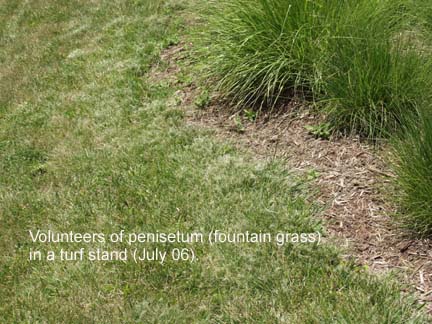
Fountain grass and other ornamental grasses have added tremendously to the urban landscape. However, we are now seeing some of these grasses escape from the ornamental beds into the turf. One in particular is fountain grass (Penisetum spp) because it...
Read More

Brown Patches in Lawns Could be Old Seedstalks

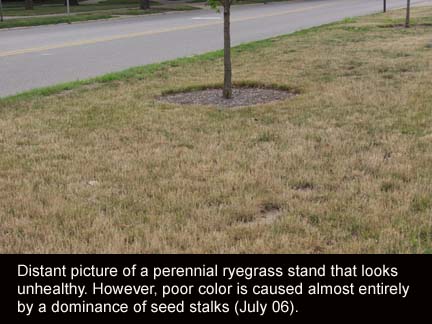
We have received a number of calls, email, and electronic photos inquiring about current brown patches in the lawn. Dollar spot is active throughout the state and could be causing problems in lawns. Dollar spot causes very noticeable lesions and...
Read More

Japanese Beetles: They’re Back!

The first Japanese beetles of the year were observed in central Indiana last week and now is a great time to review the biology and control of these pests. Japanese beetle adults pupate from larvae in late spring and begin...
Read More