Category: Pest Control


More on Nematodes and Indiana Greens

As our nematode survey continues, more questions are being asked about nematodes, their damage potential, etc. Following is an update on the survey:  Do not attribute all vague symptoms to nematodes. Nematode populations and symptoms are extremely complex and cannot be diagnosed by anyone other than a nematologist. In other words, don’t panic. …Read more about More on Nematodes and Indiana Greens[Read More]


Finding Spring Grubs?

Each spring we receive many calls about grubs as people find them while planting gardens or ornamental beds. These are often large and appear menacing however do not let their appearance cause you to worry, panic or run out to buy an insecticide to annihilate these sinister creatures. These grubs are not feeding actively so…Read more about Finding Spring Grubs?[Read More]

 Categories:

Nematode Damage in Golf Greens

We are suspecting more and more instances of actual nematode damage or at least secondary effects of nematodes in golf greens. Effects of nematode feeding would include yellowing, thinning, enhanced drought stress, and other symptoms reflective of a poor root system. Unfortunately, symptom expression may be enhanced or complicated by poor rooting from summer weather,…Read more about Nematode Damage in Golf Greens[Read More]


First Black Cutworms of the Year Found in Traps

Recent storms have generated the weather patterns that bring black cutworm moths into our state each year. Pheromone traps picked up the first black cutworm moths of the season during the past two weeks. Predictive models estimate that the first cutworm caterpillars will begin feeding 300 heat units after the first moths are caught. Unseasonably…Read more about First Black Cutworms of the Year Found in Traps[Read More]


Japanese Beetles are in Full Force

The first Japanese beetles of the year were observed in central Indiana on June 22 and have since come out in full force. They are being reported in large numbers from many places throughout the state feeding on their favorite plants. Plants particularly at risk include those that have been recently transplanted or those that…Read more about Japanese Beetles are in Full Force[Read More]


Update on Black Cutworm

Significant weather events from the south usually are responsible for the movement of the black cutworm moths into our area each spring beginning as early as March. Black light traps stationed throughout the state have failed to catch many black cutworms this year to date. This is good news for our industry and may spell…Read more about Update on Black Cutworm[Read More]


Control Them Now

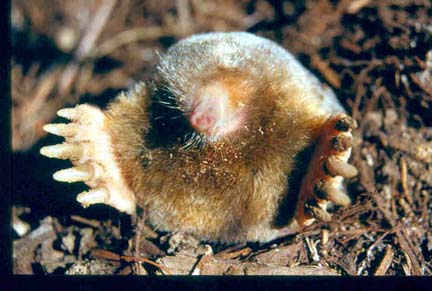
Now is a very good time to spend a little extra effort in controlling those pesky moles. Recent warm, wet weather has returned these nasty little turfgrass destroyers back to the surface of the soil where they are making runs throughout the turfgrass. March and April are ideal times to control moles because this is…Read more about Control Them Now[Read More]


Mid-winter Mole Activity

Mole activity is becoming more apparent with the recent warm weather. Large piles of soil on the lawn surface are evidence of the moles subterranean mining. Unfortunately control of this pest still depends on trapping or possibly a mole-hunting cat or dog. Techniques such as drowning with water, poisoning with car exhaust, shocking or vibrating…Read more about Mid-winter Mole Activity[Read More]


News about Japanese beetles is mostly bad!

Japanese beetles are back! They appeared 10 days to 2 weeks earlier than normal this year and indications are pointing to a very heavy population in many parts of the state. Last years weather conditions kept soils moist which apparently led to a very successful grub hatch. Early emergence usually points to a somewhat earlier…Read more about News about Japanese beetles is mostly bad![Read More]


Bumpy Lawn?

Lawn seem bumpier this spring when you first mowed it? Bumpy, difficult-to-mow lawns can be caused by either above-ground factors or below-ground soil factors. If the bumpiness is due to patches of incompatible species of coarse, bunch grasses like tall fescue or orchardgrass growing in a stand of predominantly Kentucky bluegrass or perennial ryegrass, apply…Read more about Bumpy Lawn?[Read More]


Page last modified: May 15, 2019

Turfgrass Science at Purdue University - Horticulture & Landscape Architecture, 625 Agriculture Mall, West Lafayette, IN 47907

© 2026 Purdue UniversityAn equal access/equal opportunity universityCopyright ComplaintsMaintained by Turfgrass Science at Purdue University

If you have trouble accessing this page because of a disability, please contact Turfgrass Science at Purdue University at kkalbaug@purdue.eduAccessibility Resources