Author: Doug Richmond

September 12, 2024: Fall Armyworms, Again?

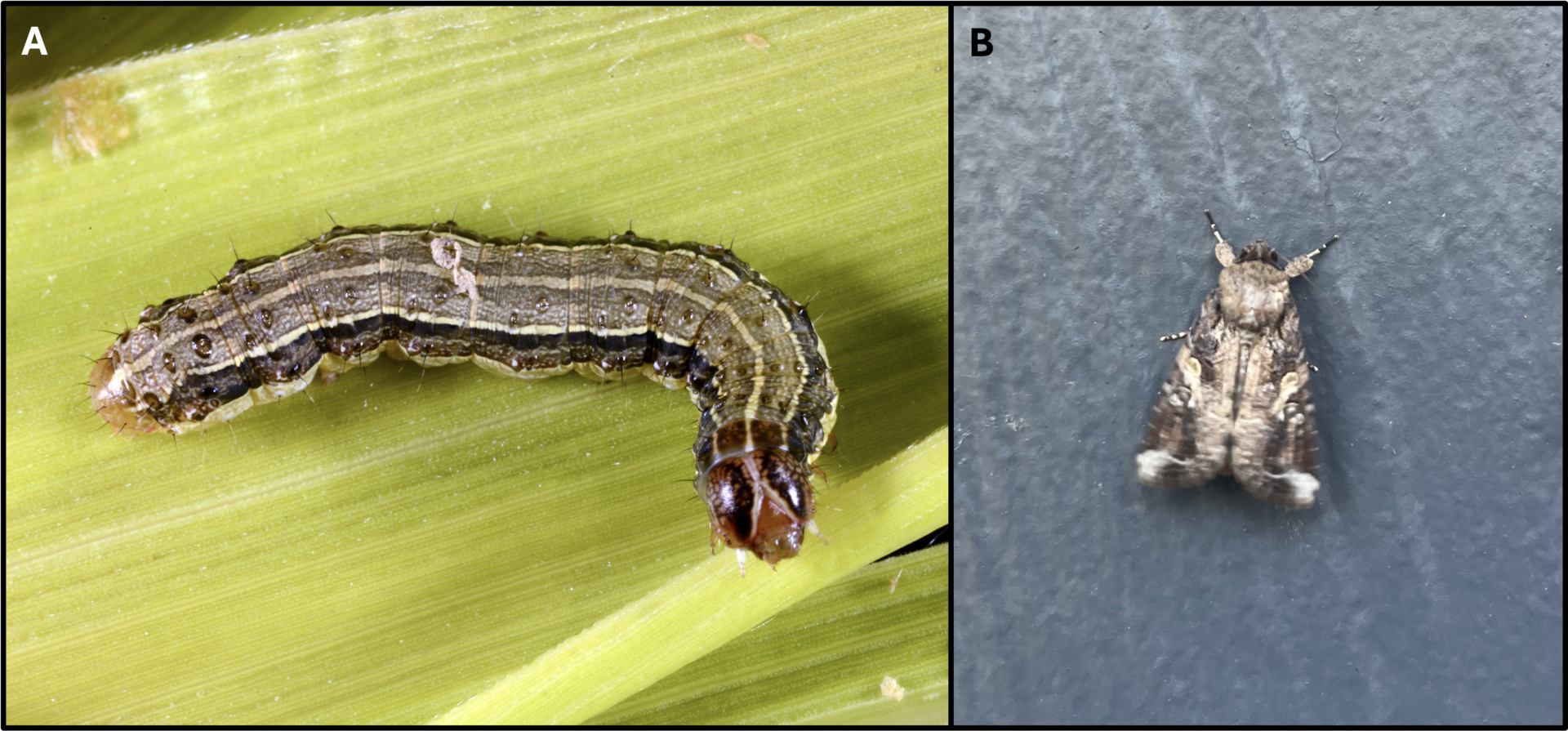
In 2021, the entire Midwest experienced one the worst fall armyworm (Fig. 1A and B) outbreaks in decades, and for turfgrass professionals and enthusiasts it seems like we may be on the verge of another late-season outbreak. These seasonal, but...
Read More
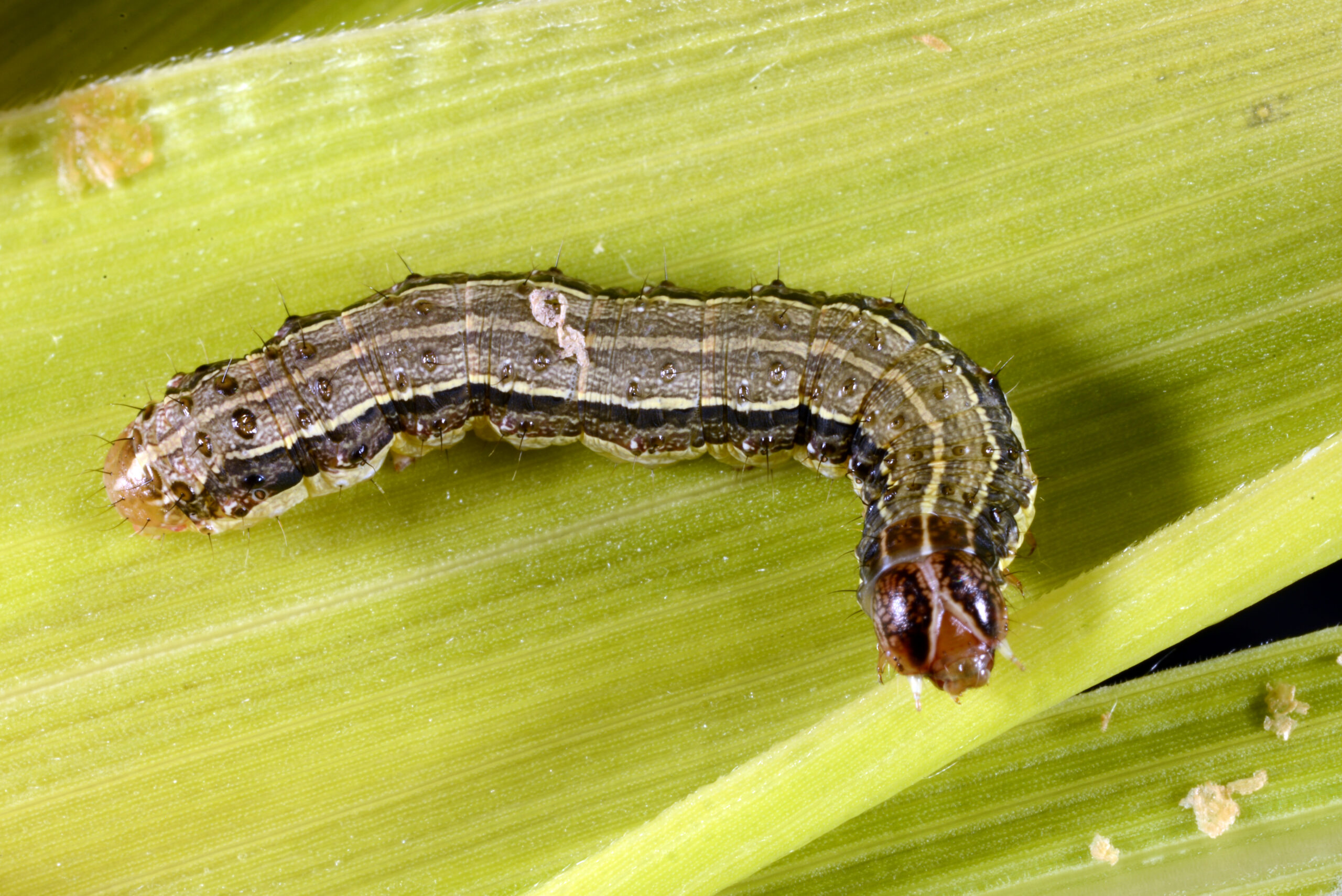
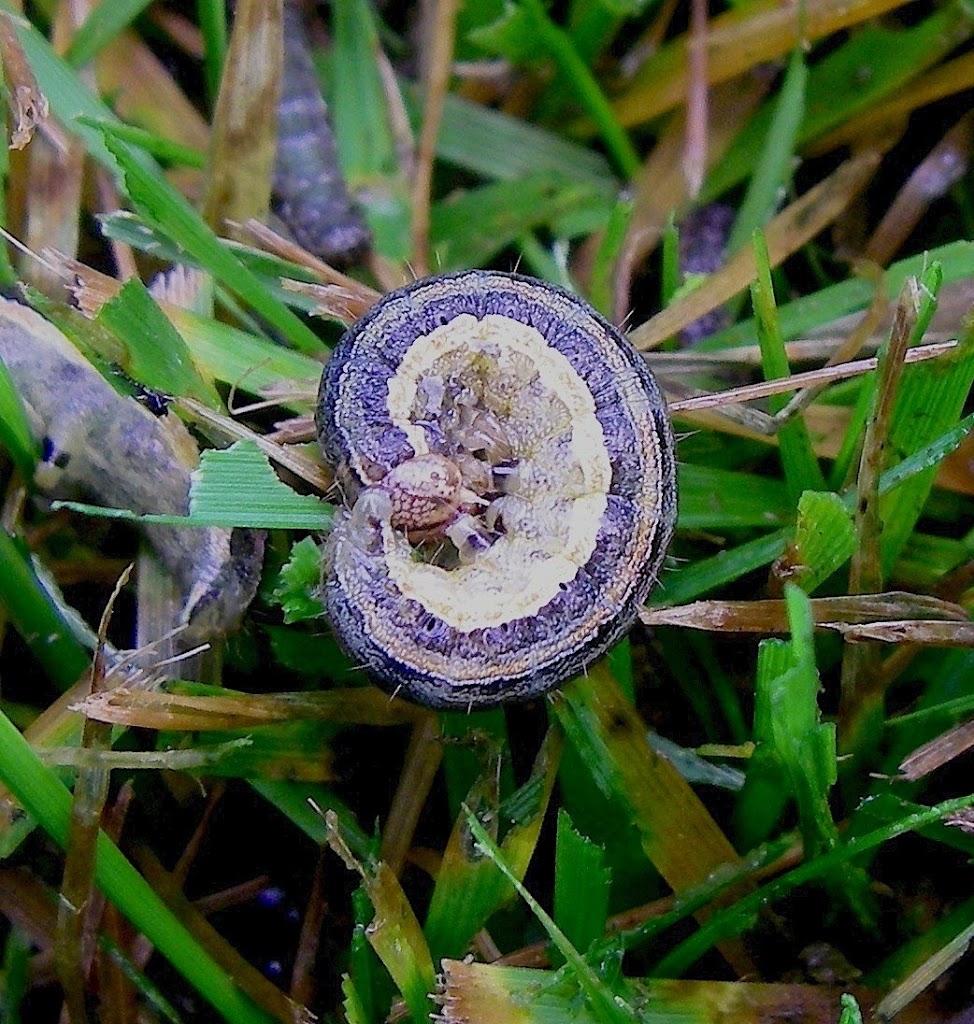
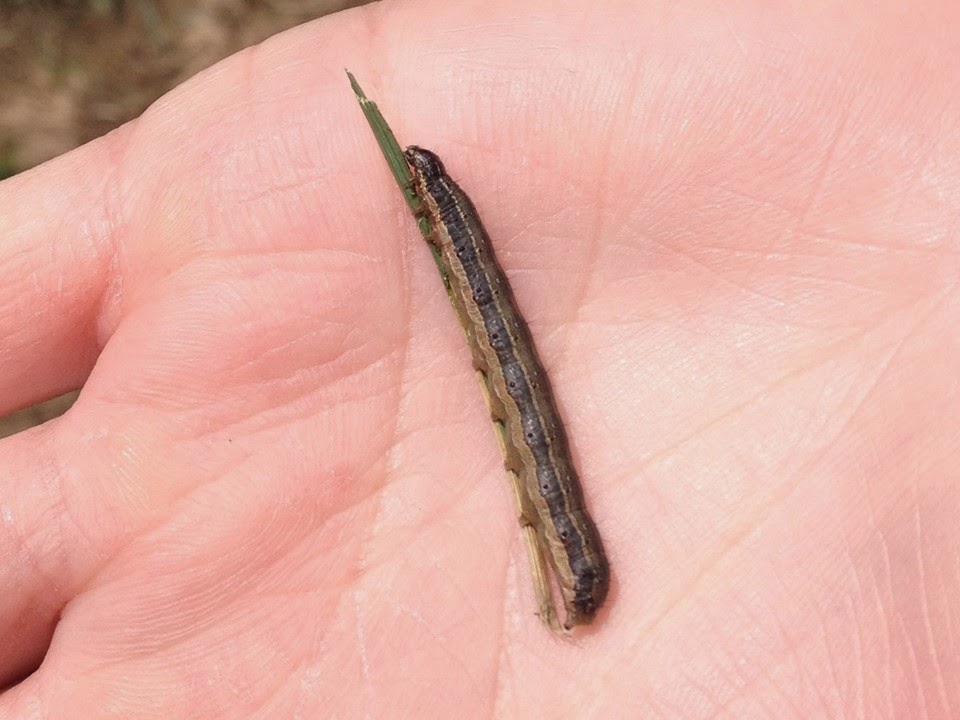
A fall armyworm caterpillar with characteristic stripes and inverted, light-colored Y-shape on the head.

Fall Armyworms: What next?

The entire Midwest just experienced one the worst fall armyworm (Fig. 1) outbreaks in decades, but for turfgrass professionals and enthusiasts, it’s not over yet. These seasonal, but sporadic insects made their appearance at the end of August, decimating lawns...
Read More

Managing Billbugs in Turfgrass

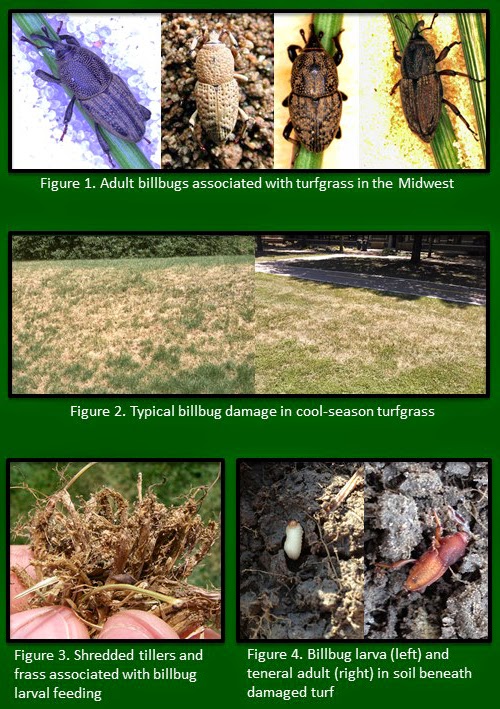
This publication provides turfgrass management professionals and property owners with information to help them (1) properly identify the most common billbug species with turfgrass in Indiana and adjacent states, (2) understand billbug biology, (3) recognize billbug damage, and (4) formulate safe and effective billbug management strategies.

(E-266-W)


PDF

PDF version of Managing Billbugs in Turfgrass

Read More

Turf Insect Management

This publication provides property owners and turfgrass management professionals with basic information to: (1) properly identify the most common turfgrass insect pests of Indiana and adjacent states, (2) recognize insect damage, (3) understand insect biology, and (4) formulate safe and effective pest management strategies.

(E-61-W)


PDF

PDF version of Turf Insect Management

Read More

Purdue Launches Turf Diagnostic Mobile App

The Purdue Turf Doctor app, a collaborative effort among Drs. Doug Richmond, Aaron Patton and Rick Latin, is the latest modern turfgrass management tool produced by the Purdue Turfgrass Science team. The app is designed to help homeowners and land...
Read More

Turfgrass Insects: Managing White Grubs in Turfgrass

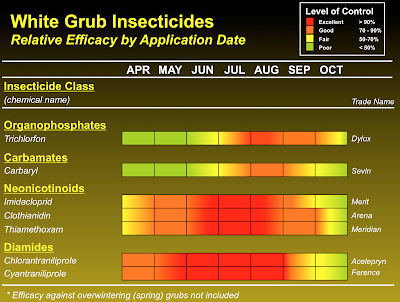
This publication provides Indiana turfgrass management professionals and property owners with information to help them (1) properly identify the most common white grub species, (2) understand white grub biology, (3) recognize white grub damage, and (4) formulate safe and effective management strategies.

(E-271-W)


PDF

PDF version of Turfgrass Insects: Managing White Grubs in Turfgrass

Read More

Monitoring and Managing Caterpillars

Doug Richmond Associate Professor and Entomology Extension Specialist Department of Entomology Purdue University Caterpillars are the larvae of moths and butterflies and several common species are capable of damaging turfgrass. This publication will help you detect and identify the most...
Read More

New Turfgrass Insect Publications Now Available

Read More

What Was That? Flying Green June Beetles Will Get Your Attention

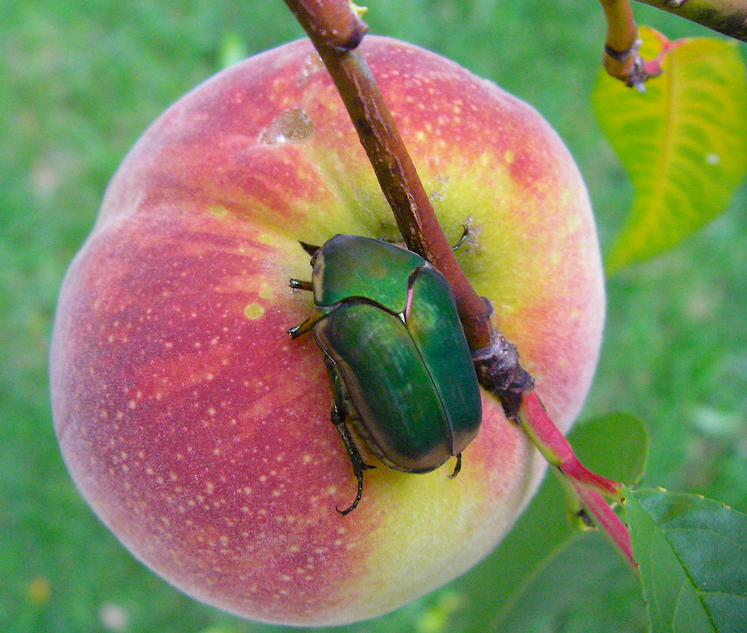
Green June beetles Cotinus nitida have been flying in many areas across the Midwest and although they are harmless, their sheer size can be very intimidating to folks who don’t recognize them. These large, attractive, emerald and copper colored beetles...
Read More

White Grub Season is Here

This is the time of year when annual white grubs begin to infest turfgrass and, in the Midwest, we are blessed with an assortment of different annual white grub species. This group of insects produces one generation each year with...
Read More

Japanese Beetle Adults Emerging

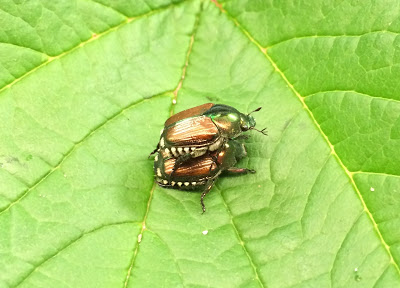
We’ve been seeing a smattering of Japanese beetle adults in our traps for the last few weeks in West Lafayette, but it appears their numbers are starting to increase as we head toward the end of June. Expect to see...
Read More

European Chafer Causing Serious Damage in Northeastern Indiana

Although reports of spring white grub damage have been relatively uncommon in Indiana in recent years, there have been a growing number of cases in the northeastern part of the state. The European chafer Rhizotrogus majalis Razoumowsky is apparently at...
Read More

Hunting Billbug Larvae Overwintering in Indiana

We recently discovered that the hunting billbug is capable of successfully overwintering in the larval stage as far north as West Lafayette Indiana. This insect is mainly a pest of warm-season turfgrasses such as Bermudagrass and zoysiagrass and has become...
Read More

New Resources Available for Emerald Ash Borer and Pollinator Safety

We are happy to announce two new tools give the latest information about two hot topics: emerald ash borer and pollinator safety. New Neonicotinoid Pollinator Website available for the Green Industry. Doug Richmond and I have developed a mobile friendly...
Read More

Armyworms Invade Indiana

There appears to be a wide-spread outbreak of armyworms [Pseudaletia (=Mythimna) unipuncta (Haworth)] infesting residential turf across southern Indiana. These insects typically have 2 generations per year in this part of the country and we are in the midst of...
Read More

Billbugs Are Here!

Here we are in the second week of July – a time when conditions start to become difficult for cool-season grasses. Heat, drought and wear during this time of the season may all contribute to declining turfgrass quality. However, one...
Read More

Japanese Beetles are Upon Us

The first Japanese beetles of the year were captured June 8 in West Lafayette. Emergence is now in full swing. This imported pest is common east of the Mississippi river and in the Mississippi river valley. Adults feed on more...
Read More

European Chafer is at the Root of Spring Grub Damage in Northern Indiana

Reports of spring white grub damage are relatively uncommon in most of the Midwest. However, the European chafer is a slightly different beast and seems to be more cold-hardy than other annual white grubs. This characteristic allows it to feed...
Read More