Author: Turf Tips

2014 Clean Sweep Dates Now Available

WHAT: An Indiana Pesticide Clean Sweep Project designed to collect and dispose of suspended, canceled, banned, unusable, opened, unopened or just unwanted pesticides (weed killers, insecticides, rodenticides, fungicides, miticides, etc.) is being sponsored by the Office of Indiana State Chemist...
Read More
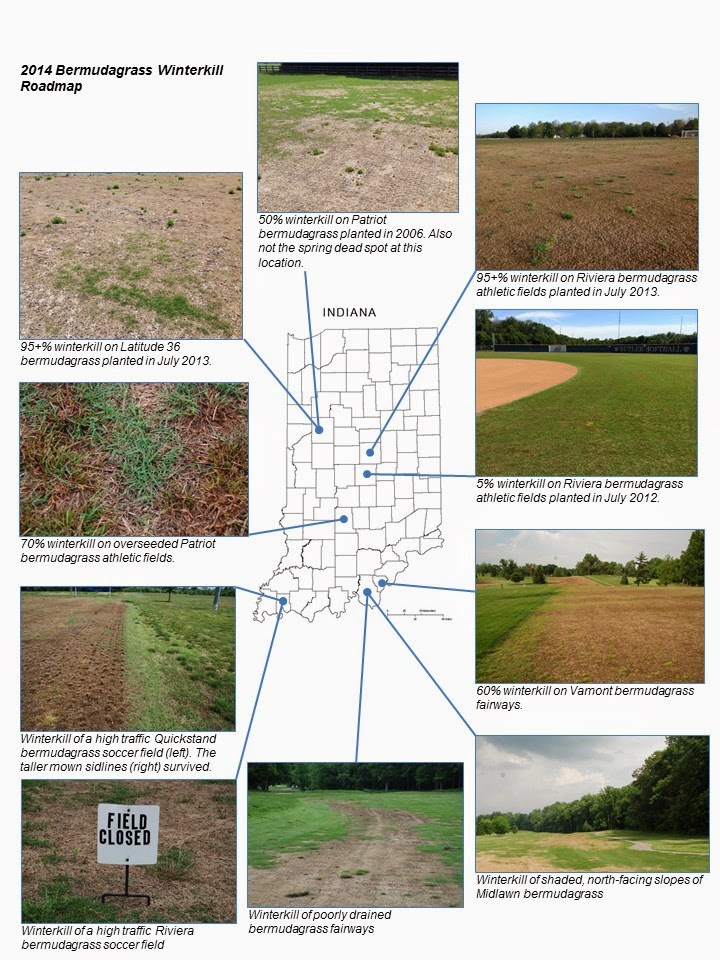
Bermudagrass Cultivar Winter Survival Update

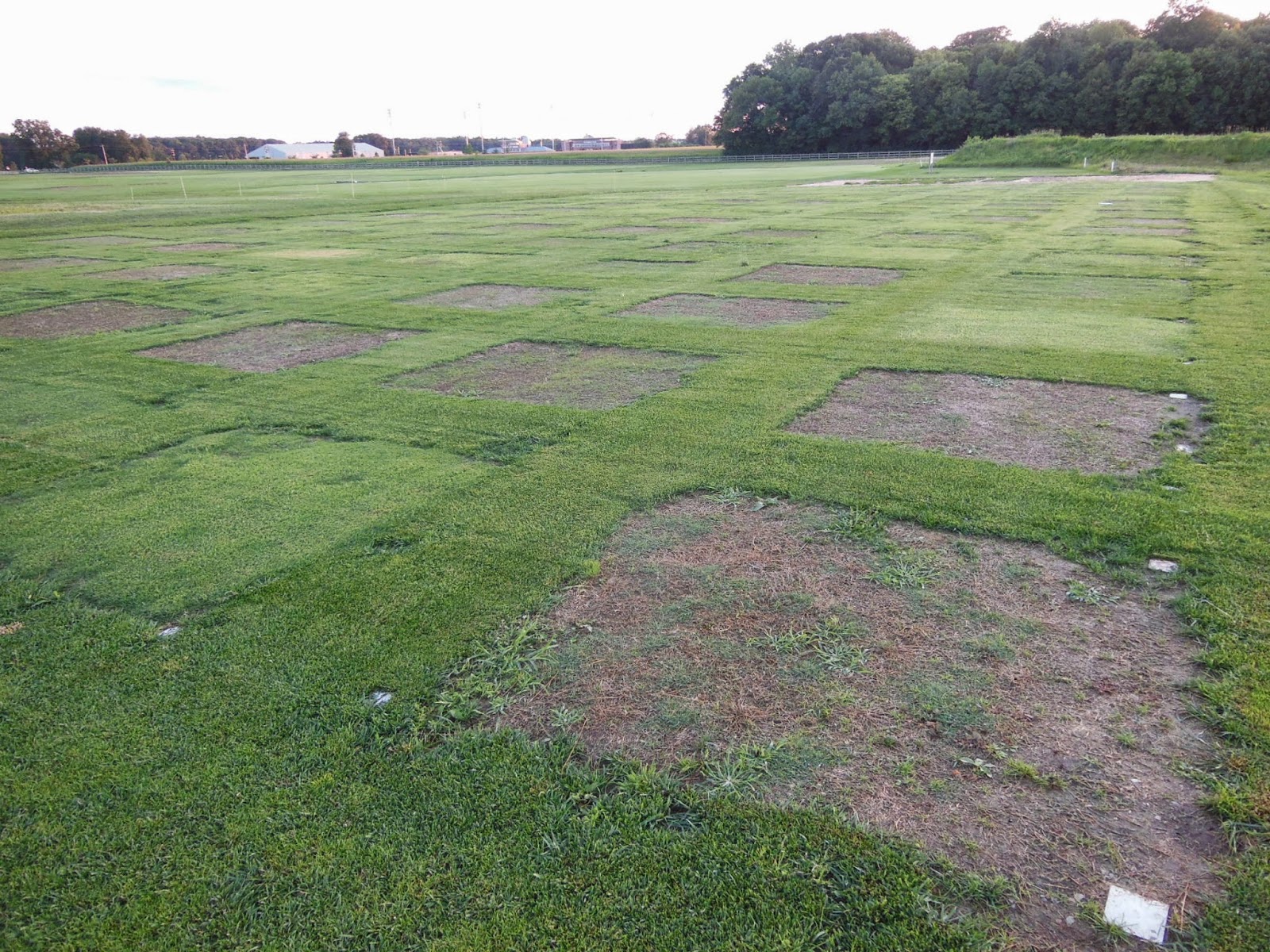
As we exit the end of the first full week of July 2014 in the aftermath of the “PolarVortex” many winter-survival questions still remain. Here is what we do know… spring green-up was extremely slow and regional weather conditions continue...
Read More

Winterkill Here on Bermudagrass! Now What?

This winter has resulted in significant winterkill on bermudagrass throughout the nation and Indiana was not an exception. Brutally cold temperatures, coined as the polar vortex, swept through the country in early January with many other subsequent cold days and...
Read More

Purdue Turf and Landscape Field Day, July 15, 2014

On Tuesday, July 15, 2014 the Purdue Turf Program and the Midwest Regional Turf Foundation will host the Turf and Landscape Field Day. The Turf and Landscape Field Day is Indiana’s largest green industry field day. This will be the...
Read More

Yellow Nutsedge

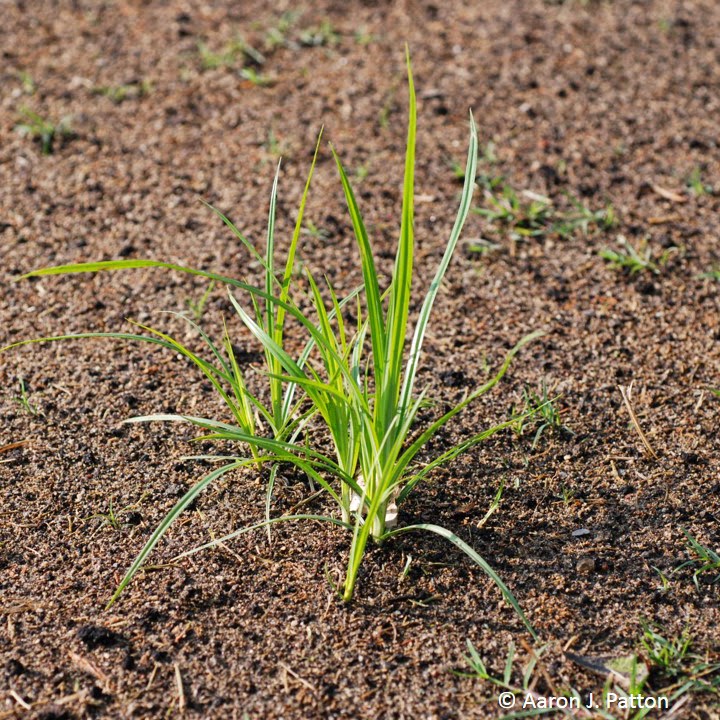
  Yellow Nutsedge     Biology: Yellow nutsedge (Cyperus esculentus), also known as chufa (chufa is a non-weedy variety that is used for wildlife food plots and is not a cold hardy weed like yellow nutsedge), nutgrass, or watergrass, is...
Read More

Ground Ivy

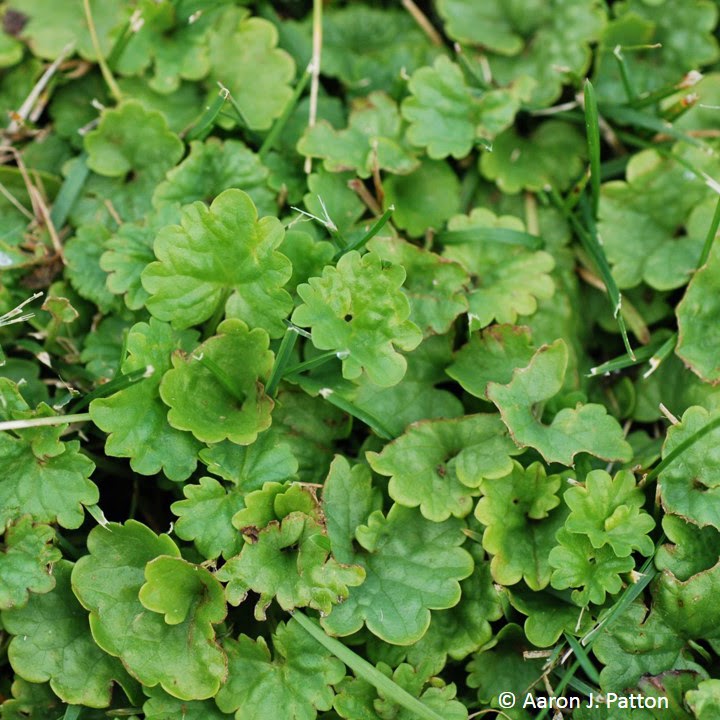
Ground Ivy     Biology: Ground ivy (Glechoma hederacea), also known as creeping Charlie, is a very difficult to control perennial broadleaf weed. It can often be seen growing in the shade and invading turfgrass and other mowed areas throughout...
Read More

Mouse-ear Chickweed

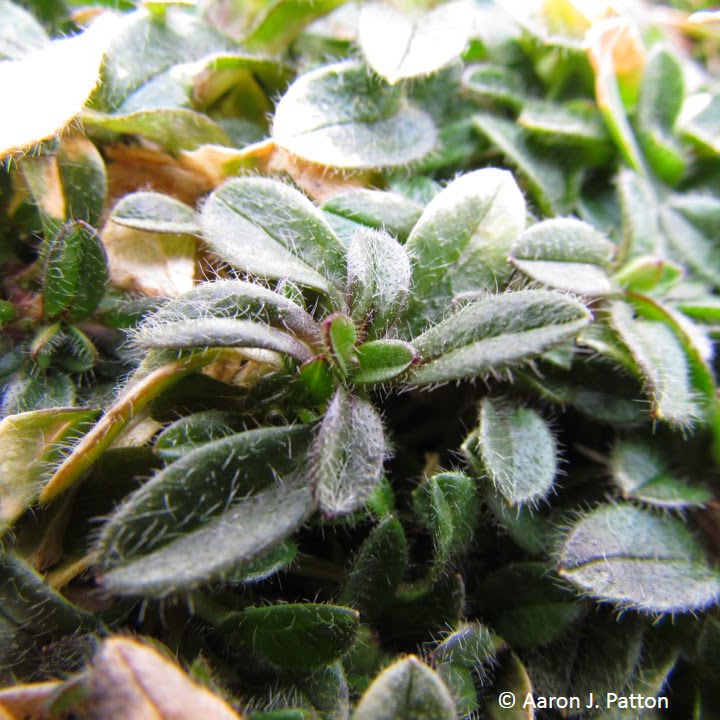
Mouse-ear Chickweed     Biology: Mouse-ear chickweed (Cerastium vulgatum) is a broadleaf weed that normally acts as a perennial; however, it has the ability to act as a winter annual depending climate conditions. Mouse-ear chickweed germinates by seed from late...
Read More

Common Chickweed

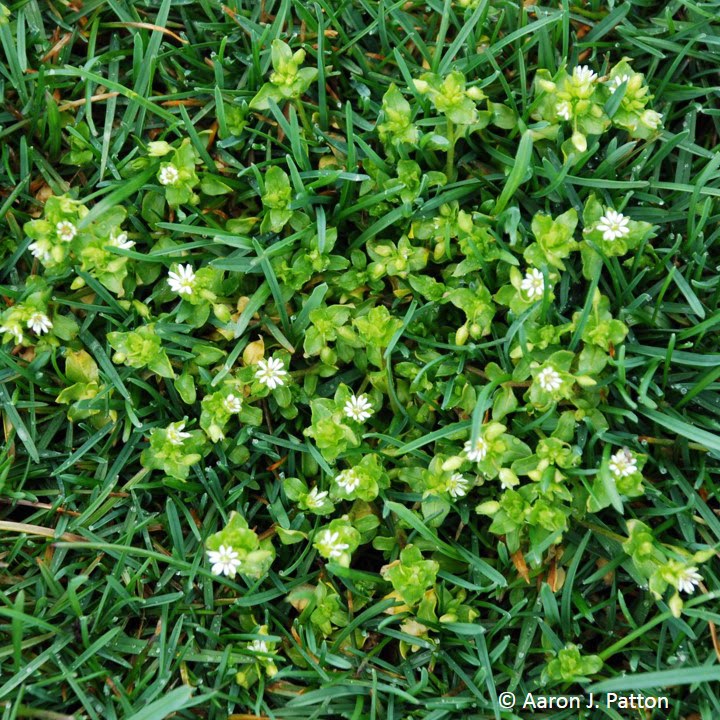
Common Chickweed     Biology: Common chickweed (Stellaria media) is a winter annual broadleaf weed. It forms dense, prostrate patches in turfgrass throughout North America, though it can grow much taller when it’s not mowed. Common chickweed germinates from seed...
Read More

Wild Garlic

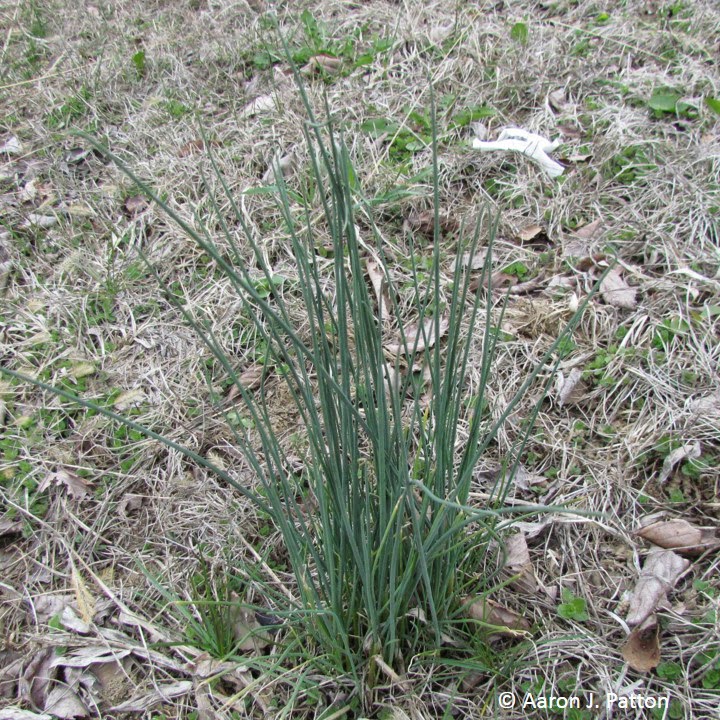
Wild Garlic     Biology: Wild Garlic (Allium vineale) is a monocotyledonous cool-season perennial that can be found throughout most of the eastern and southern United States. Despite having linear leaves and parallel veins, wild garlic is neither a grass...
Read More

Annual Bluegrass

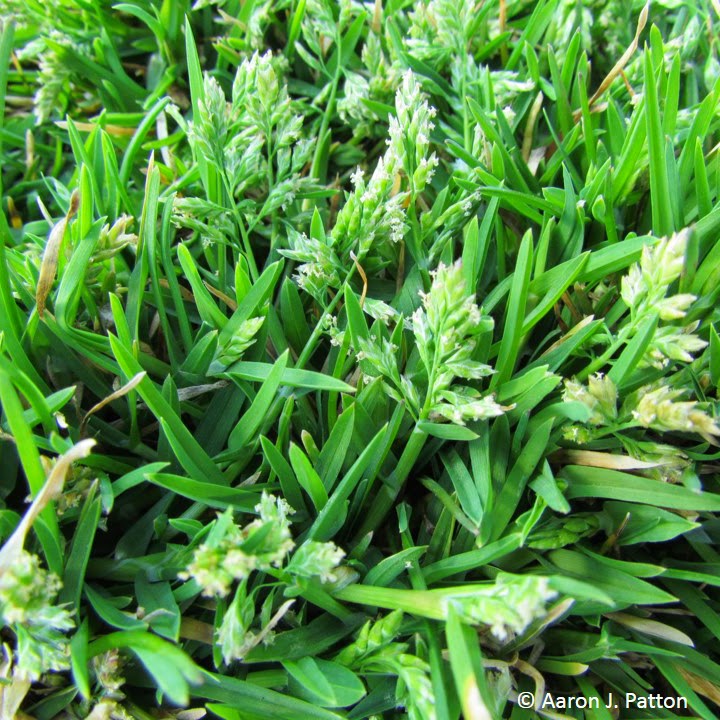
Annual Bluegrass    Biology: Annual bluegrass, commonly referred to by its scientific name Poa annua (sometimes pronounced Po anna on TV), is a winter annual grass that is a difficult-to-control weed in turf. Seeds germinate in late summer, early autumn,...
Read More

Henbit

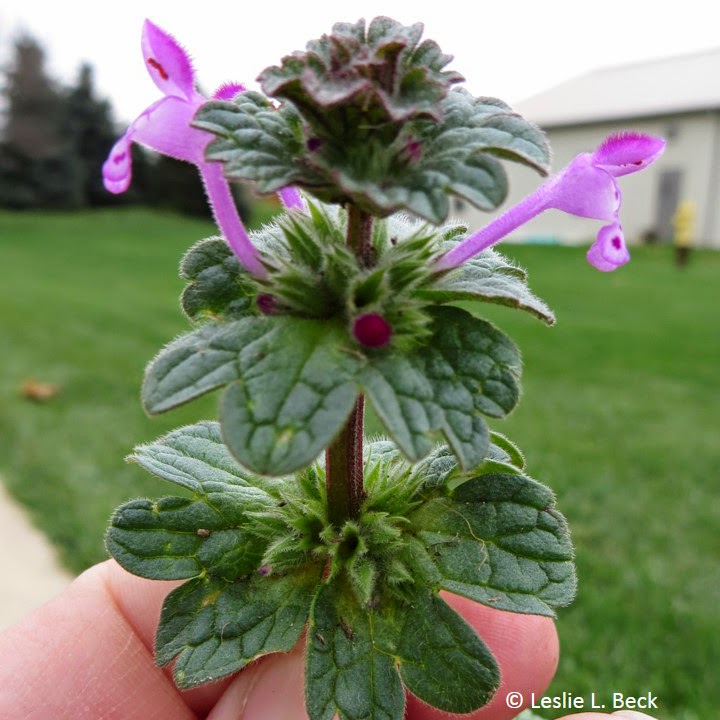
Henbit     Biology: Henbit (Lamium amplexicaule) is a common winter annual broadleaf weed found throughout the United States. It can often be mistaken for another closely related winter annual broadleaf, purple deadnettle. Both can be observed by their showy...
Read More

Black Medic

Black Medic     Biology: Black Medic (Medicago lupulina) is a summer annual (or less commonly a winter annual) broadleaf weed that can be found throughout the United States. Seeds germinate in the spring and are capable of establishing in...
Read More

White Clover

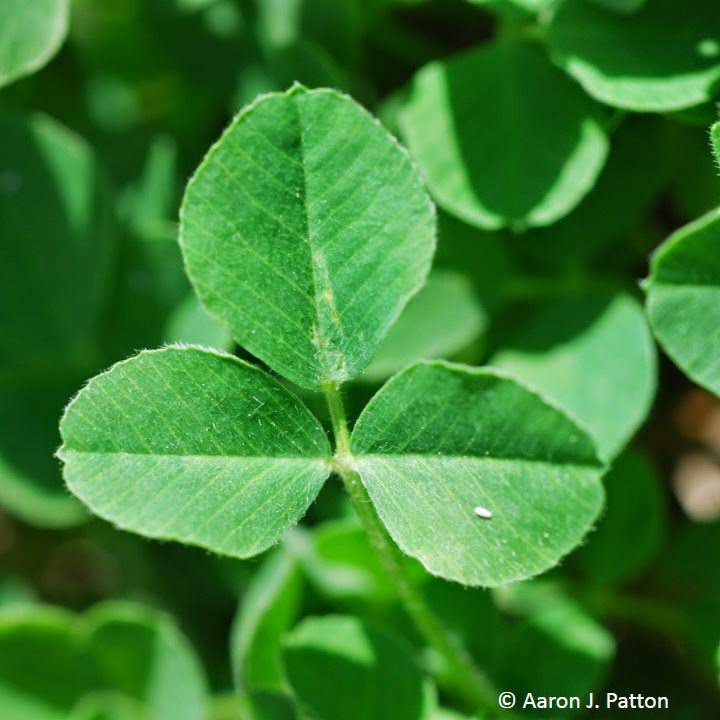
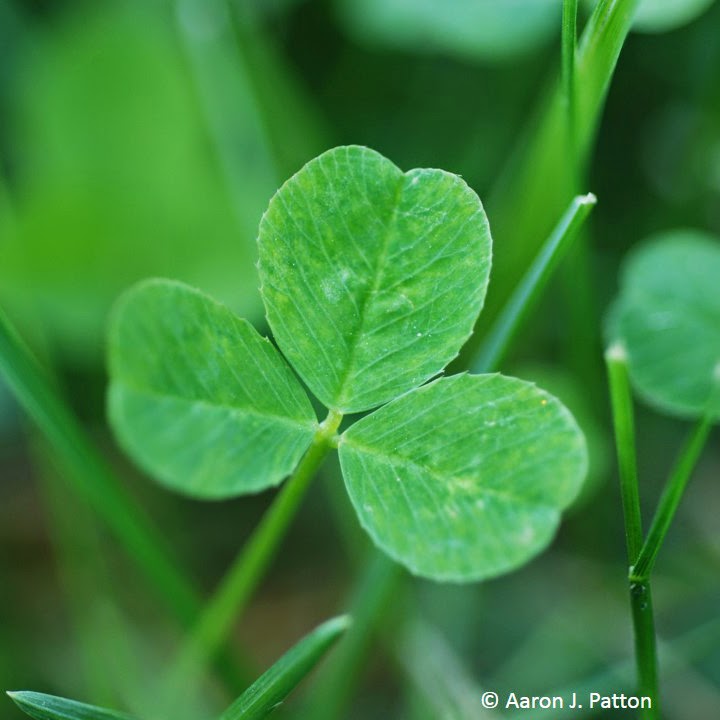
  White Clover     Biology: White clover (Trifolium repens) is a perennial broadleaf weed that can be found throughout the United States. Seeds can germinate in moist-cool conditions in spring, early summer, or early fall. Because it tolerates close...
Read More

Nimblewill

Nimblewill   Biology: Nimblewill (Muhlenbergia schreberi) is a warm-season perennial grass found throughout the northeast, southeast, and Midwestern United States. It can often be mistaken for other mat-forming grasses with blue-green foliage such as bermudagrass or creeping bentgrass. It grows...
Read More

How Big is Your Lawn?

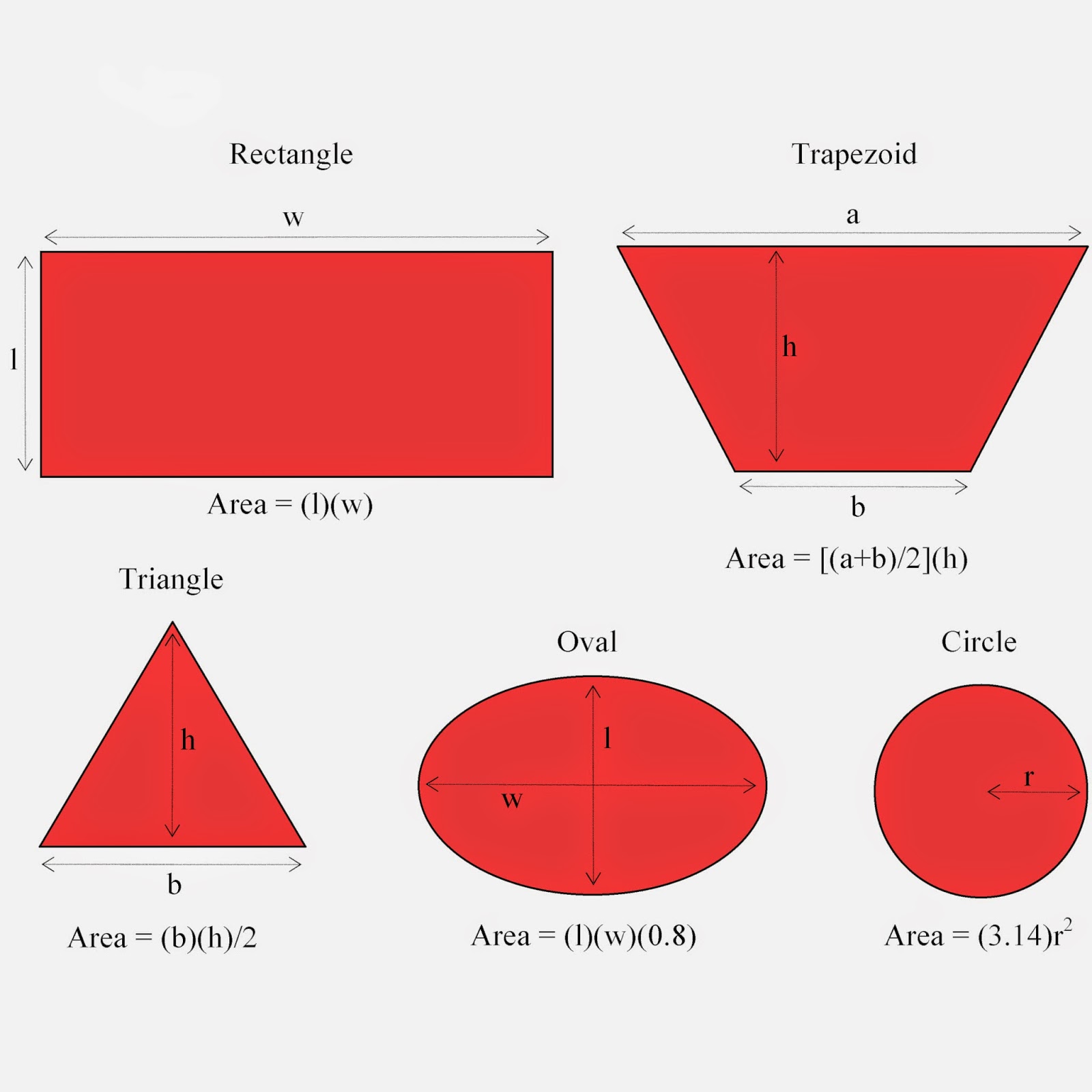
A key step in most lawn maintenance practices such as seeding and fertilizing as well as with double-checking your calibration and application accuracy is to determine the size of the turf area. Determining your lawn area will help you calculate...
Read More

Crabgrass Germination Coming Soon!

This time of year many have questions about crabgrass control. Below are several previous Purdue turf tips that answer the most commonly asked questions about crabgrass control. When will crabgrass germinate? When should I apply my preemergence herbicide (crabgrass preventer)?...
Read More

Cool-Season Turf Winterkill: Potential Losses and a Pathway to Recovery

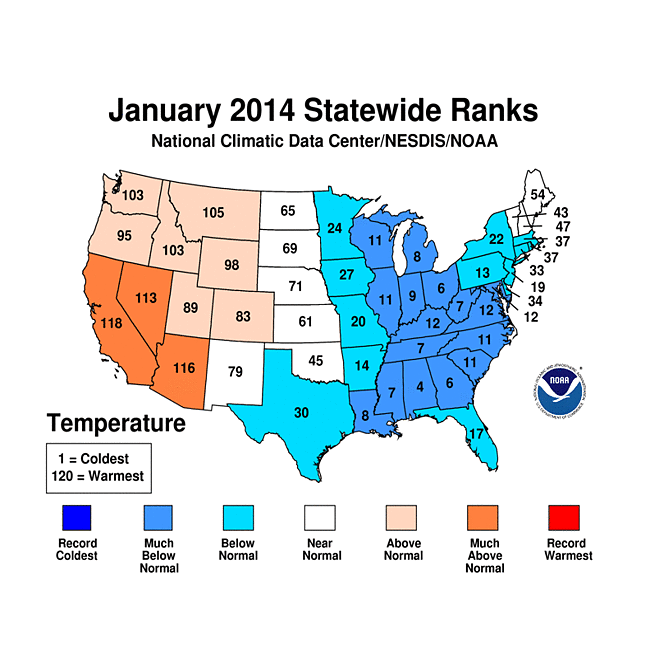
  This winter has been cold and long. From December 2013 through February 2014, Indiana had it’s 9th coldest winter on record and its coldest since 1979, 1978 was coldest on record (Fig. 1). With such cold temperatures, many are...
Read More

Warm-season Turf Winterkill 2014: What Can you Expect and NOW WHAT?

With colder than normal temperatures in Indiana this winter, we are anticipating some minor winter damage. To help prepare for this we are publishing a three part series on this topic to help turfgrass managers prepare for what may await...
Read More

Another Successful Indiana Green Expo Despite the Polar Vortex

In January (January 8-10, 2014) the Purdue Turf Program and the Midwest Regional Turf Foundation hosted the Indiana Green Expo (IGE) in cooperation with the Indiana Nursery and Landscape Association. The IGE is Indiana's most comprehensive green industry educational conference...
Read More

MRTF Green Award Winners Announced!

Winners of the first ever Midwest Regional Turf Foundation (MRTF) Green Awards were announced just a few weeks ago at the Indiana Green Expo in Indianapolis during the MRTF Distinguished Service Award Reception. The purpose of this award is to...
Read More