Category: Moles and Voles


Fall Time Mole Control

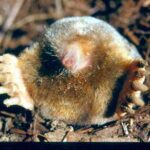
Moles are back in the limelight!. These small subterranean, tunnel-making pests are causing big frustrations for those managing turfgrass and landscapes.  Mole damage is most common during the spring and fall. The only two methods of effectively controlling moles are to;  (1) use a bait that they are attracted to OR (2) to physically remove…Read more about Fall Time Mole Control[Read More]


Tiny Trails in Turfgrass

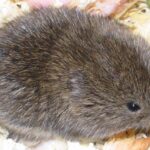
With the winter snows melting away many are often surprised to find a series of tiny trails on the surface of their lawns and turfgrass fields.  These are vole highways.   Voles are often called meadow mice or field mice. While they are similar to a house mouse in general size and shape, they have some…Read more about Tiny Trails in Turfgrass[Read More]


Mole Control – Buyer Beware

Moles are back at it again!. These small subterranean, tunnel-making  pests can cause big frustrations for those managing turfgrass and landscapes.  Mole damage is most noticeable during the spring and fall, but spring may be the most effective time to control them. Moles are gray, furry, mammals that reach 6–8 inches in length.  They have…Read more about Mole Control – Buyer Beware[Read More]


Voles (remember the V)

During late March and April we get many calls about voles and vole damage in turfgrass. Voles are among the most important vertebrate pests in turf areas. Unfortunately the name ‘vole’ is very close to the name ‘mole’ causing some confusion and miscommunication. Even though both can damage turfgrass – the differences between voles and…Read more about Voles (remember the V)[Read More]


Control Them Now

Now is a very good time to spend a little extra effort in controlling those pesky moles. Recent warm, wet weather has returned these nasty little turfgrass destroyers back to the surface of the soil where they are making runs throughout the turfgrass. March and April are ideal times to control moles because this is…Read more about Control Them Now[Read More]


Mid-winter Mole Activity

Mole activity is becoming more apparent with the recent warm weather. Large piles of soil on the lawn surface are evidence of the moles subterranean mining. Unfortunately control of this pest still depends on trapping or possibly a mole-hunting cat or dog. Techniques such as drowning with water, poisoning with car exhaust, shocking or vibrating…Read more about Mid-winter Mole Activity[Read More]


Bumpy Lawn?

Lawn seem bumpier this spring when you first mowed it? Bumpy, difficult-to-mow lawns can be caused by either above-ground factors or below-ground soil factors. If the bumpiness is due to patches of incompatible species of coarse, bunch grasses like tall fescue or orchardgrass growing in a stand of predominantly Kentucky bluegrass or perennial ryegrass, apply…Read more about Bumpy Lawn?[Read More]


Page last modified: May 15, 2019

Turfgrass Science at Purdue University - Horticulture & Landscape Architecture, 625 Agriculture Mall, West Lafayette, IN 47907

© 2026 Purdue UniversityAn equal access/equal opportunity universityCopyright ComplaintsMaintained by Turfgrass Science at Purdue University

If you have trouble accessing this page because of a disability, please contact Turfgrass Science at Purdue University at kkalbaug@purdue.eduAccessibility Resources