Author: Aaron Patton

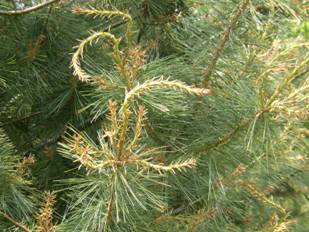
Herbicide damage on Spruce and Pine

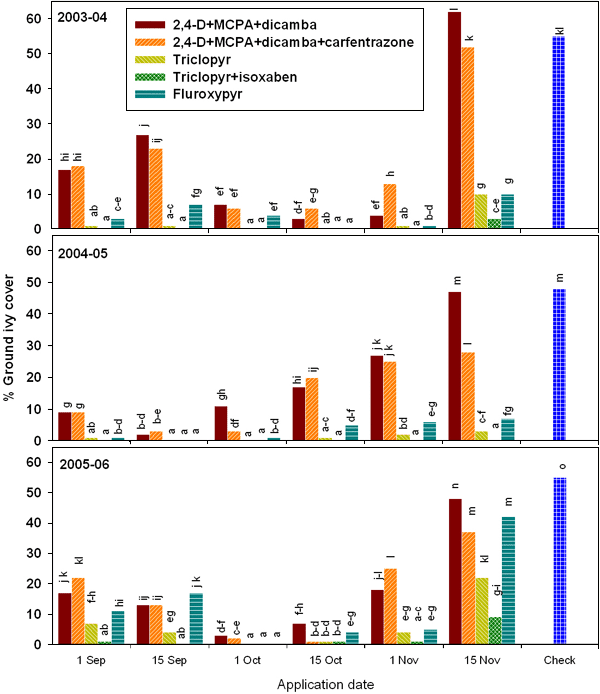
The Plant and Pest Diagnostic Lab (PPDL) has recently received several samples of Norway spruce and white pine with symptoms that appear to be associated with injury caused by synthetic auxin (growth regulator type) herbicides. Typical off-target symptoms caused by...
Read More
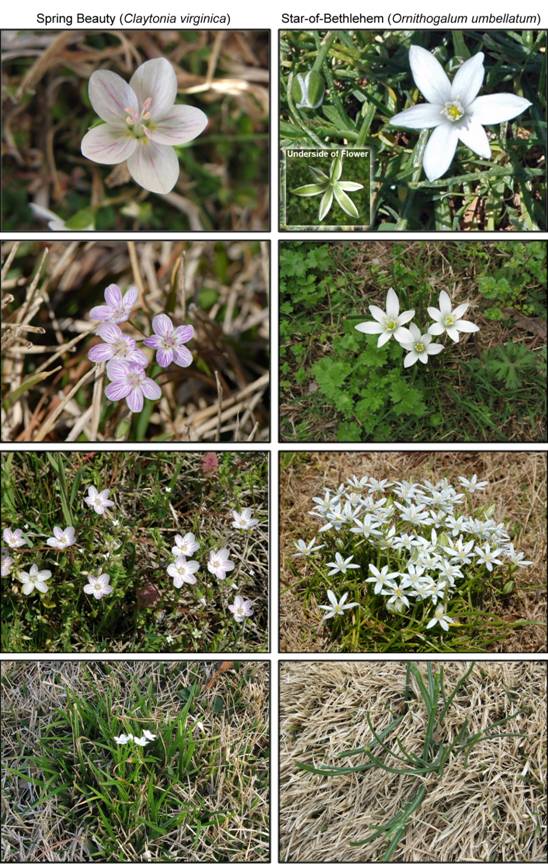
Spring Beauty and Star-of-Bethlehem

Both spring beauty (Claytonia virginica) and star-of-bethlehem (Ornithogalum umbellatum) are spring flowering weeds that are similar in appearance and sometimes problematic in lawns. Below is a comparison of the two species including control recommendations for both turf professionals and homeowners....
Read More

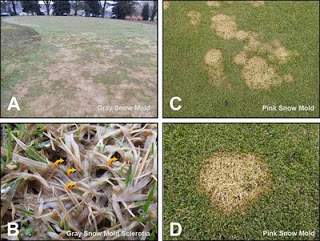
Snow mold damage – 2011

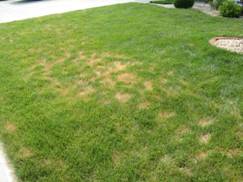
Melting snows revealed some significant snow mold damage. As you know there are two types of snow mold diseases, gray snow mold (aka Typhula blight) and pink snow mold (Microdochium patch). Although they create similar symptoms (circular patches of tan...
Read More

Top Ten Turf Tips of 2010

Top Ten Turf Tips of 2010 Part II: Summer diseases in Residential Turf Part III: Summer weeds: Common summer weeds and their control Part I: Too hot: Why some turfgrass species look poor in summer Color Variation in Residential and...
Read More

Late Drought Causing Problems and Questions for Many

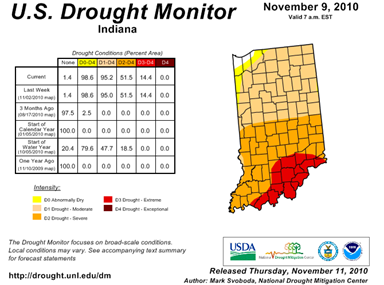
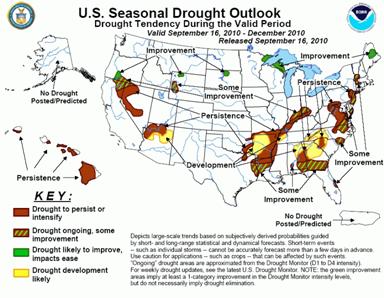
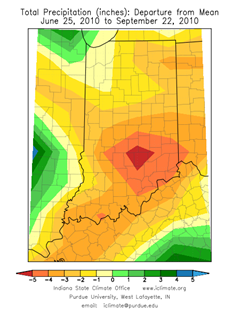
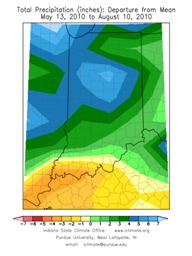
Earlier this fall we made recommendations on how to recuperate lawns after a drought; however, rain has not returned and now we must further adjust our maintenance practices in unirrigated turf areas. The map on the left shows the lack...
Read More

Late Fall fertilization

Cool-season turfgrass species should be fertilized mainly in the autumn. In addition to a fertilization in September, a fertilization with nitrogen in November will help produce a healthy turf. Lawns damaged during summer months as in 2010 and newly seeded...
Read More

Is it too late to seed? What should we do?

Recently, the question of whether or not it is too late to seed has been posed to me by many. The drought that we have experienced during our optimum seeding window has pushed back seeding dates for many. Now the...
Read More

How late is too late to control broadleaf weeds?

Due to the current drought conditions for many in Indiana we have recommended holding off on herbicide applications until rain returns to drought stressed turf. Herbicides are most effective on weeds that are not drought-stressed and herbicides can be damaging...
Read More

What should I do with all these falling leaves?

There is a myth circulating that returning mulched tree leaves can be detrimental to turfgrass quality. The research shows just the opposite. It is true that heavy layers of tree leaves shading the grass can smother and kill grass. However,...
Read More

Dealing with Drought

Many turf professionals in central and southern Indiana are trying to figure out how best to cope with the current drought because it is affecting their normal 1) fall seeding, 2) fertilization, 3) herbicide applications and 4) cultivation. Below are...
Read More

What to do about deteriorated lawns

This year there were multiple causes for turf decline in home lawns. High temperatures and drought were the primary causes for a decline in turf and an increase in weed incidence. During warm weather (especially temperatures > 87 °F) cool-season...
Read More

Predicting the Future and Documenting the Past

When weather patterns are not typical, as with this summer, it is useful to both look ahead and behind to help improve your maintenance practices and better time future applications. Documenting the Past One advantage to tough summers like this...
Read More

Fertilizer Recommendations

The amount of nitrogen fertilizer required by turf depends on various management and environmental/management factors (Table 1). A good rule to follow is to never apply more than 1.0 lb N/1000ft2 in any one application. Do not apply fertilizer more...
Read More

Now is the time to seed lawns and other turf areas

Timing The best time to seed a lawn is in the late summer to early fall. Adequate soil moisture, warm soil, and limited weed pressure allow for excellent seedling growth. Between August 15 and September 15 is optimum seeding time...
Read More

Crabgrass

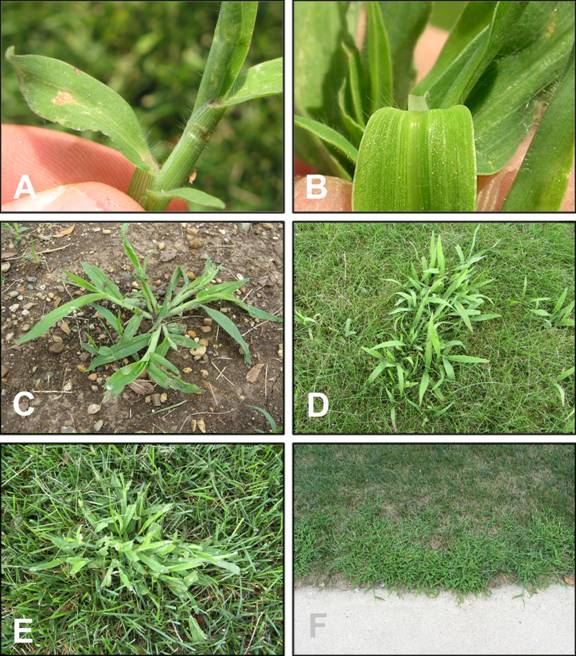
Crabgrass is running rampant this year as the hot summer and more than adequate rainfall has helped to push this beast of a weed along. Crabgrass is a warm-season annual grass meaning that it thrives under hot and moist conditions....
Read More

Summer Stress

Part I: Too hot: Why some turfgrass species look poor in summer. There are multiple causes for turf decline in the summer. Cool-season turf areas can decline in the summer because of high temperatures, drought, pest damage (insects, diseases, weeds,...
Read More

Contact Information for Dr. Aaron Patton

Dr. Aaron Patton has joined the Turf Program as the Turf Extension Specialist. If you need to contact him, his contact infomation is Phone 765-494-9737 Fax 765-496-6335 email ajpatton@purdue.edu Department of Agronomy 915 W. State Street West Lafayette, IN 47907
Read More

Rain gardens and turf

There has recently been increased interest in the use of rain gardens to reduce water runoff in Indiana and nationally. A rain garden is a specially constructed area with a berm, planted with various plants, and designed to capture rain...
Read More

Dr. Aaron Patton Joining Purdue as Turf Extension Specialist

When I was 15 years old, I started working at the Indiana University golf course in Bloomington where I cleaned golf carts, helped out on the driving range, and occasionally worked in the pro shop. While there I had the...
Read More

Weed Control in Newly Seeded Bermudagrass

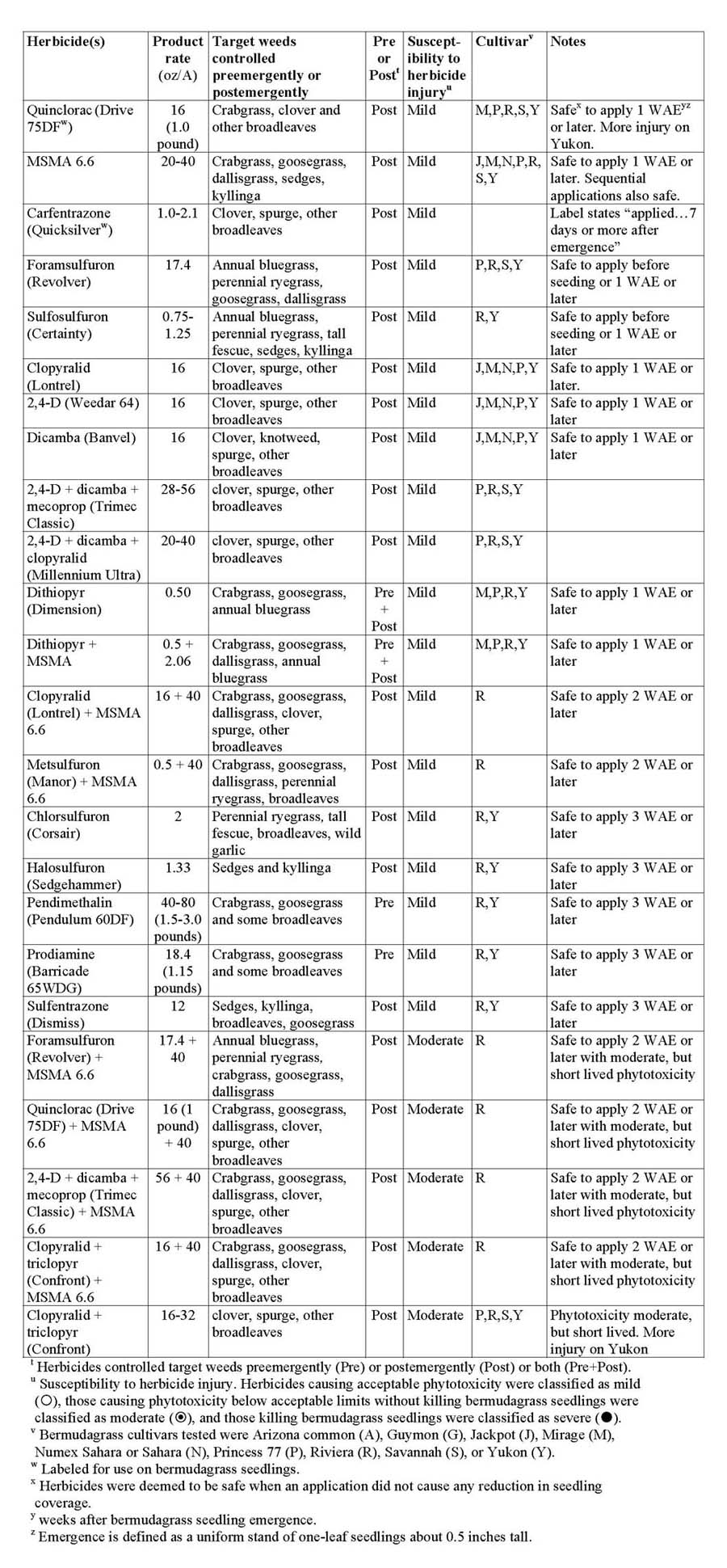
Bermudagrass seeded or sprigged into damaged areas will require weed control to maximize establishment. Most herbicides carry precautions on use in sprigged bermudagrass, but few carry recommendations on use in seeded bermudagrass because of the newness of seeded varieties. Following...
Read More