Tim Gibb

47 articles by this author

Turf Tips List

Late Season Insects Found in Turfgrass

The following letter and pictures were sent to us for identification. There was a buzz of follow-up letters and communication afterward indicating that maybe this is not just an isolated occurrence.  I have enclosed the initial letter, accompanying photographs and the return response in hopes that this is of value to others noticing the same…Read more about Late Season Insects Found in Turfgrass[Read More]


Summer Stress

With a warm and wet summer, we are experiencing decline in some of our turf around the state due to temperatures, disease, insects, and weeds. In response, we are publishing a four part series on this topic to help turfgrass managers respond. Look forward to the following topics over the next two weeks. Part I:…Read more about Summer Stress[Read More]


Grass Moths Everywhere

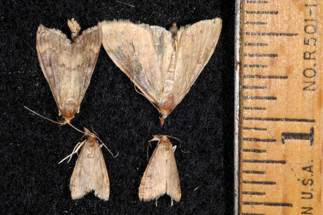
If you have walked out on your lawn recently you may have noticed hundreds of small, buff colored, moths flittering here or there as you approach.  These may be alarming for both farmers as well as turfgrass managers because they; look like a common corn pest (European Corn Borer) act like a common turfgrass pest…Read more about Grass Moths Everywhere[Read More]


Summer Stress

With a warm and wet summer, we are experiencing decline in some of our turf around the state due to temperatures, disease, insects, and weeds. In response, we are publishing a four part series on this topic to help turfgrass managers respond. Look forward to the following topics over the next two weeks. Part I:…Read more about Summer Stress[Read More]


August Is Grub Target Month

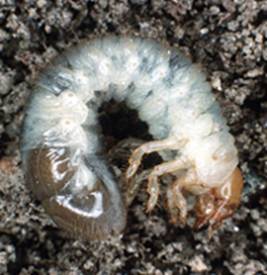
This is the time of year to target for grub control. Whether your grub control products were applied a month ago, last week or are to be applied next week, the time when they actually do their work is early August.  This is because grub eggs usually hatch by the end of July in the…Read more about August Is Grub Target Month[Read More]


Goose Round-up – ‘Yee-Haw’

The Giant Canada goose (Anatidae: Branta canadensis maxima) recently has become one of the most serious pests of parks and golf courses in the Eastern half of the United States. These geese are probably the most adaptable of all waterfowl and, if left undisturbed, will readily establish nesting territories on ponds in residential subdivisions, condominium complexes, city…Read more about Goose Round-up – ‘Yee-Haw’[Read More]

 Categories:

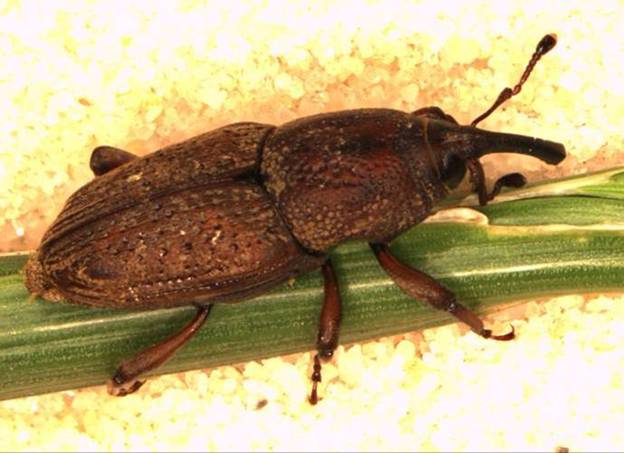
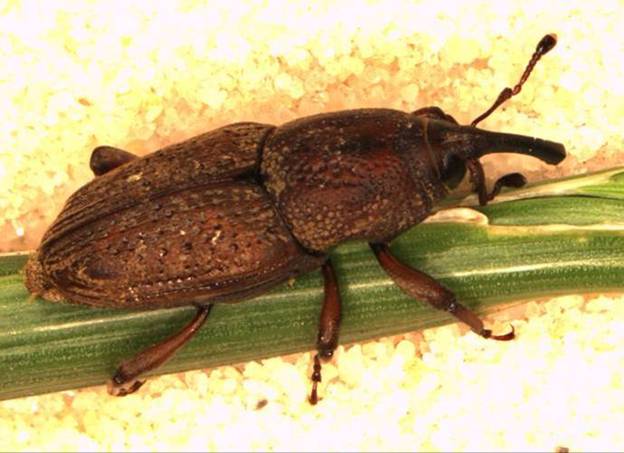
Hunting Billbugs in Zoysiagrass

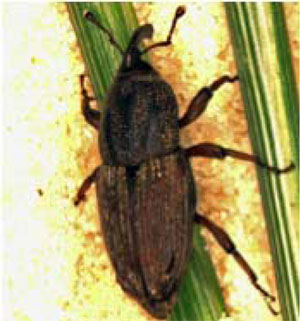
Hunting billbug is becoming a significant problem in parts of southern Indiana where zoysiagrass is grown.  These insects typically have two generations per year in this part of the Midwest with the larvae of both generations being capable of causing significant injury to turf.  Sporadic adult hunting billbug activity has already been observed in the…Read more about Hunting Billbugs in Zoysiagrass[Read More]


Professionals: Multiple Targeting with Pesticides

As frequent users of pesticides, it is imperative that turfgrass professionals understand the terminology surrounding their formulation and use.  For example, when we talk about ‘multiple targeting’ we are referring to an attempt to control more than one pest with a single application of pesticide.  Timing of application as well as placement and formulation is critical to success.  To time a…Read more about Professionals: Multiple Targeting with Pesticides[Read More]

 Categories:

Tiny Trails in Turfgrass

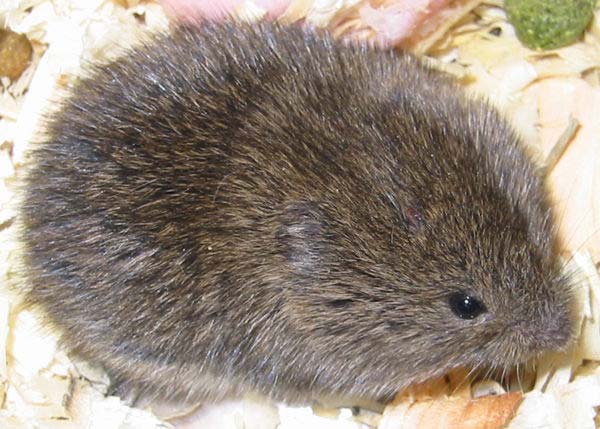
With the winter snows melting away many are often surprised to find a series of tiny trails on the surface of their lawns and turfgrass fields.  These are vole highways.   Voles are often called meadow mice or field mice. While they are similar to a house mouse in general size and shape, they have some…Read more about Tiny Trails in Turfgrass[Read More]


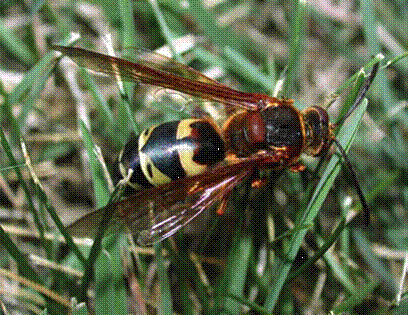
Cicada killers: A Nuisance or a Danger?

A number of solitary bees and wasps reside in turfgrass and landscapes. Because of their ability to harm humans, these insects often evoke a great deal of anxiety. However, in reality they very rarely sting. Education is the single best strategy to help people deal with cicada killers. Cicada killers are one of the largest…Read more about Cicada killers: A Nuisance or a Danger?[Read More]


Season-long Grub Control Advertisements

Grub control products are currently being displayed in the center aisles of retail department and discount stores and are advertised on the radio as providing season-long grub control when applied in early May. What are the facts behind this recommendation? While certain grub control products do have a very long residual in the soil, they…Read more about Season-long Grub Control Advertisements[Read More]


Calculating the pounds of fertilizer to apply

There are literally thousands of fertilizers and fertilizer/pesticide combinations available to homeowners and professionals. Therefore, we can’t recommend how many pounds of a specific fertilizer to apply, but rather we must recommend fertilization rates in pounds of nitrogen per thousand square feet or lbs N/1000 sq ft. You can use our fertilizer calculator at www.agry.purdue.edu/turf/fertcalc/Fertilization%20calc.html…Read more about Calculating the pounds of fertilizer to apply[Read More]


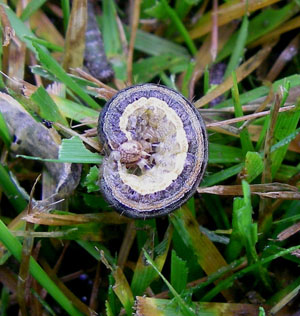
Armyworms Are Poised For Battle

We have been monitoring reports of very large infestations of armyworm moths flying into Kentucky this spring.  Armyworms move north with storms from the southern states each year and depending upon how and where the storms blow will dictate when and how many moths we have to deal with.  Fortunately, in Indiana we have not…Read more about Armyworms Are Poised For Battle[Read More]


Mole Control – Buyer Beware

Moles are back at it again!. These small subterranean, tunnel-making  pests can cause big frustrations for those managing turfgrass and landscapes.  Mole damage is most noticeable during the spring and fall, but spring may be the most effective time to control them. Moles are gray, furry, mammals that reach 6–8 inches in length.  They have…Read more about Mole Control – Buyer Beware[Read More]


Grub damage reports beginning to come in

Reports of grub damage are becoming more frequent this week. A number of reports of damage have come from northern IN where moisture conditions have created ideal conditions for grub damage in spite of preventative insecticide applications. If grub damage and live grubs are confirmed, insecticide applications are likely justified to limit future animal feeding…Read more about Grub damage reports beginning to come in[Read More]

 Categories:

Early Japanese Beetles

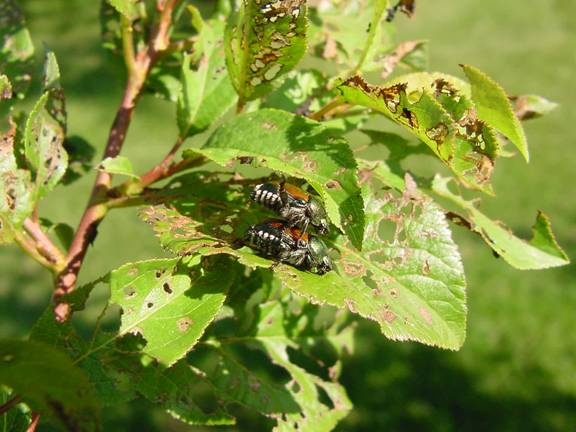
It seems that the Japanese beetles have been arriving early for the last few years but this year is truly an exception. The first Japanese beetles of the year were observed in central Indiana on the 3rd of June. This is a full week earlier than we have EVER seen them here before. Normally, Japanese…Read more about Early Japanese Beetles[Read More]


Voles (remember the V)

During late March and April we get many calls about voles and vole damage in turfgrass. Voles are among the most important vertebrate pests in turf areas. Unfortunately the name ‘vole’ is very close to the name ‘mole’ causing some confusion and miscommunication. Even though both can damage turfgrass – the differences between voles and…Read more about Voles (remember the V)[Read More]


Finding Spring Grubs?

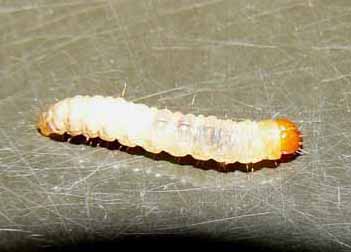
Each spring we receive many calls about grubs as people find them while planting gardens or ornamental beds. These are often large and appear menacing however do not let their appearance cause you to worry, panic or run out to buy an insecticide to annihilate these sinister creatures. These grubs are not feeding actively so…Read more about Finding Spring Grubs?[Read More]

 Categories:

First Black Cutworms of the Year Found in Traps

Recent storms have generated the weather patterns that bring black cutworm moths into our state each year. Pheromone traps picked up the first black cutworm moths of the season during the past two weeks. Predictive models estimate that the first cutworm caterpillars will begin feeding 300 heat units after the first moths are caught. Unseasonably…Read more about First Black Cutworms of the Year Found in Traps[Read More]